
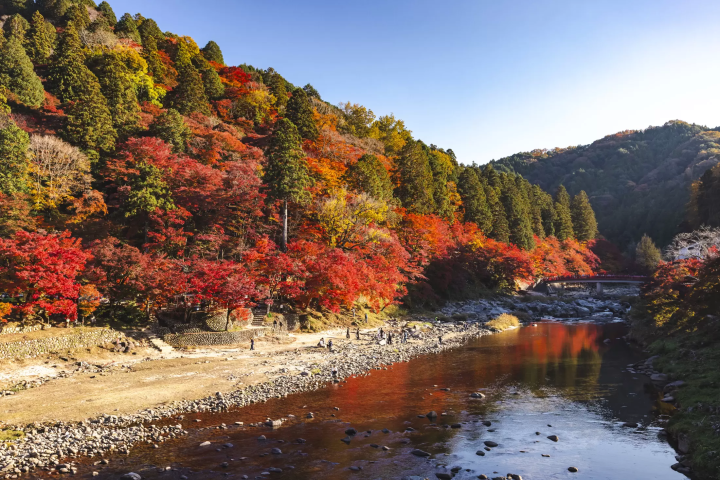
Famous for cars, Toyota City (Aichi) also features thriving sake brewing, incredible fermented cuisine, and scenic spots like Asuke and Korankei Gorge. This itinerary provides a basic guide to Toyota sightseeing.
2026.01.14-
Table of Contents
- Exploring Toyota, the City of Manufacturing
- Breakfast at haccosido: Start Your Day Energized with Fermented Foods
- Houraisen Ginjo Kobo: Explore the World of Sake Brewing in Toyota
- Lunch at Izukame: From Wild-Game Dishes to Seasonal Specialties
- Korankei Gorge: Enjoy the Beauty of the Seasons
- Asuke’s Historic Townscape: Marvel at Beautiful Traditional Architecture
- 1. KIKI Magewappa: Stylish Bento Boxes and Lacquerware
- 2. Kura-no-Naka Gallery Manrin Bookshop & Café: Perfect for a Coffee Break
- 3. Suzuman Honpo: Tasty Misozuke Pickles, Perfect as a Souvenir
- 4. Kobatoya: A Cozy Inn Decorated with Asuke Crafts
- Summary
Exploring Toyota, the City of Manufacturing
When it comes to Toyota City in Aichi Prefecture, it is best known as a “city of manufacturing,” home to Toyota Motor Corporation. For those who want to learn about Toyota today, the Toyota Kaikan Museum is a must-visit destination.
The museum introduces Toyota’s wide-ranging initiatives—including its latest environmental and safety technologies, mobility concepts, and contributions to society—through videos, exhibits, and hands-on experiences. A wide selection of new vehicles is also on display at all times, allowing visitors to get up close, step inside, and experience them firsthand.

On the other hand, Toyota City has a thriving food fermentation culture. Local specialties like sake brewing, shiro-tamari (white soy sauce), and miso-zuke (miso-pickled foods) are prominent, showing how fermentation is naturally woven into daily life.
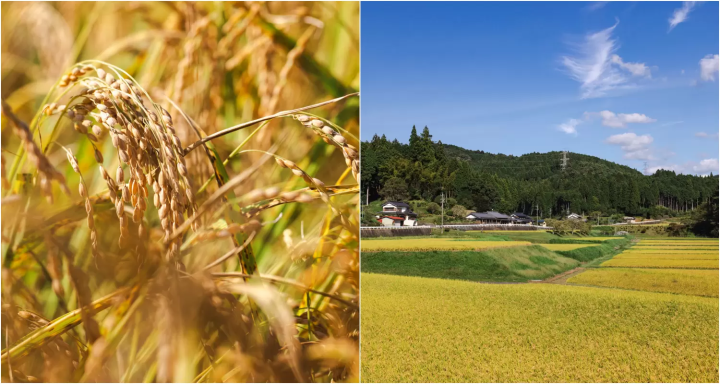
Toyota proudly ranks No. 1 in Aichi Prefecture for rice production. This abundance, combined with the clean, high-quality water sourced from its mountainous regions, plays an essential role in fueling Toyota's renowned sake brewing industry.
This article presents a model travel itinerary centered on Toyota City's "other craft": its fermented food culture. This guide is packed with information on local sake and fermented cuisine, alongside history-rich destinations that showcase exceptional artisan crafts—revealing the refined, skillful other face of Toyota’s manufacturing heritage.
Breakfast at haccosido: Start Your Day Energized with Fermented Foods
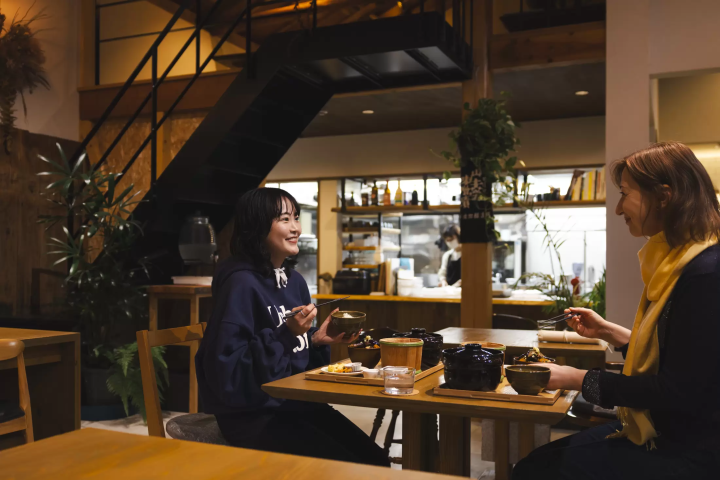
To fully harness the nutrition and energy of fermented foods, start your day in Toyota with breakfast at haccosido.
This café is housed in a renovated miso paste storehouse and is operated by Maruka Jozo. The company, which specializes in miso, tamari soy sauce, and misozuke pickles, has its headquarters located right next door, ensuring the freshest ingredients.
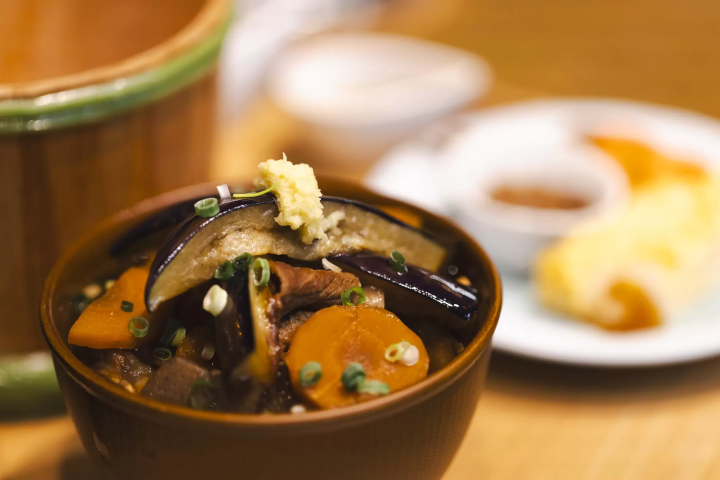
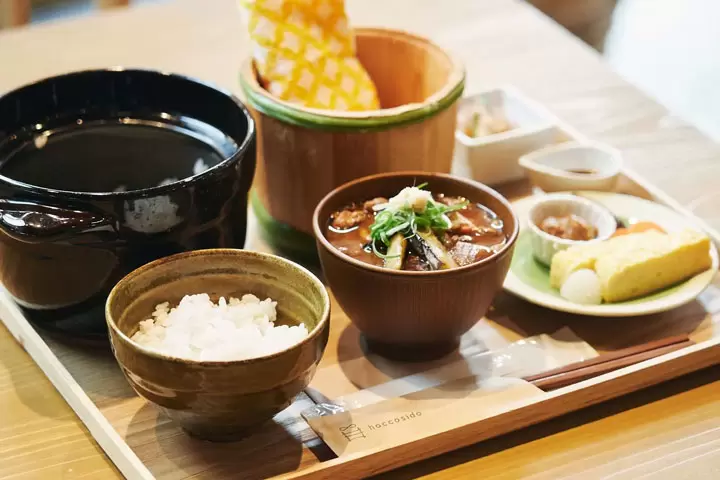
Offering a taste of home, the breakfast menu features dishes that instantly inspire nostalgia for traditional Japanese cooking: freshly cooked rice from an earthenware pot, hearty tonjiru (miso soup with pork and vegetables), a tender rolled omelet, and various types of misozuke (miso-pickled vegetables).
The tonjiru (miso soup) is a true highlight, stimulating your appetite with its generous quantity of seasonal vegetables that seem to overflow the bowl. This rich soup is crafted using red miso paste made by Maruka Jozo.
To achieve its distinct depth of flavor, the soup is deliberately prepared the day before, allowing the strong miso flavor to permeate the ingredients. The result is a savory broth that warms the body and soul with its layered richness, where every vegetable and ingredient stands out with its unique aroma and umami.
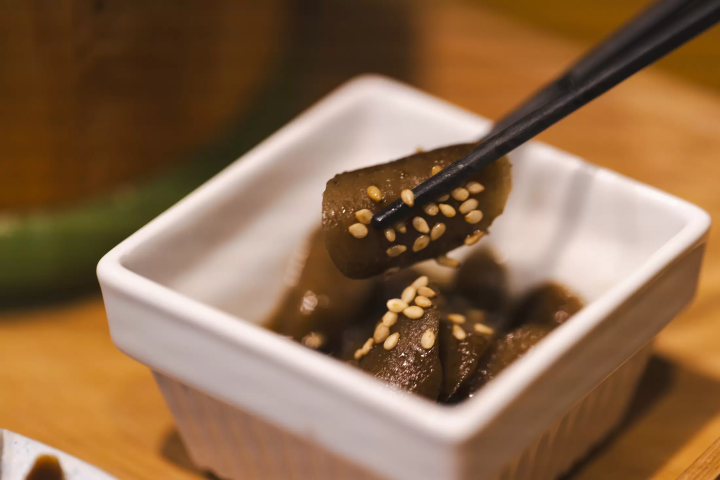
Complemented by side dishes like wild burdock root pickled in miso, this delicious soup truly elevates your day. By embracing such nutrient-rich, fermented foods early in the morning, you experience a distinctly Japanese breakfast where the power of fermentation is indispensable.
Beyond breakfast, haccosido features a lunch menu and an afternoon café menu. Their appetizing dishes are crafted using fermented staples like soy sauce, miso, and mirin to bring out the natural flavors of fresh meat and produce.
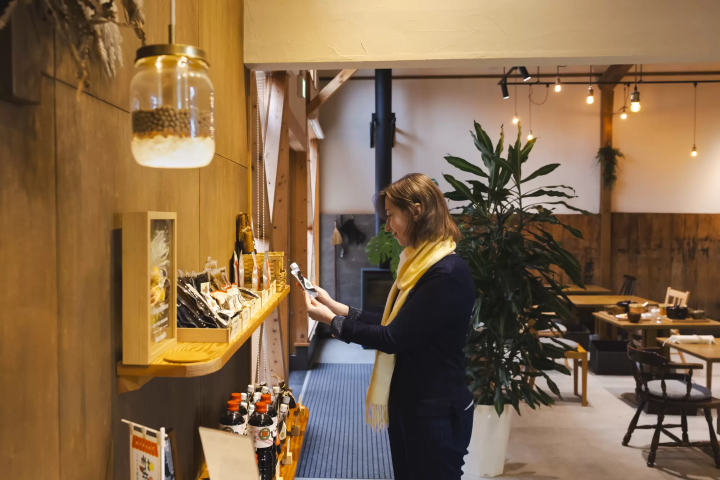
Before you leave, be sure to visit the retail section at haccosido. You can purchase some of the same high-quality fermented foods made by Maruka Jozo, such as the wild burdock root pickled in miso that you enjoyed at breakfast, or specialty miso paste perfect for making onigiri rice balls at home.
With its cozy ambiance and thoughtfully prepared cuisine, haccosido is the ideal spot to gather positive energy and anticipate discovering more of what Toyota has to offer.
Houraisen Ginjo Kobo: Explore the World of Sake Brewing in Toyota
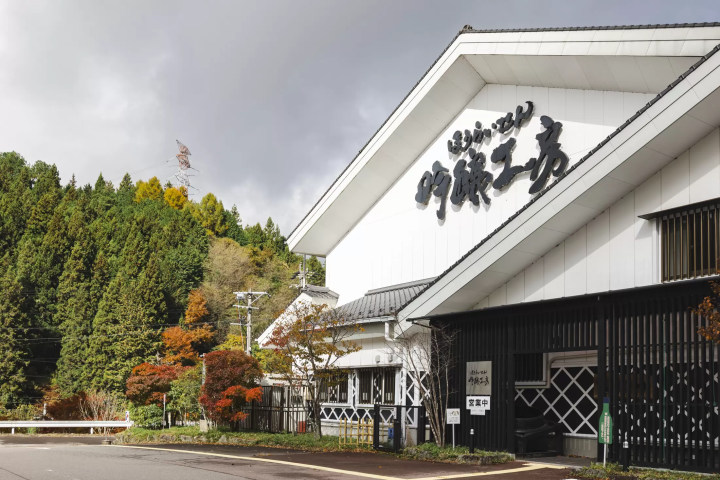
Opened in 2004, the Houraisen Ginjo Kobo (Sekiya Brewery Inabu Factory) is dedicated to offering visitors firsthand insights into the process of sake brewing through factory tours and tastings.
The facility belongs to Sekiya Brewery, a premier sake brewery in Toyota and the producer of the acclaimed Houraisen brand. The brand is celebrated for popular varieties, including the exquisite junmai daiginjo Kuu.
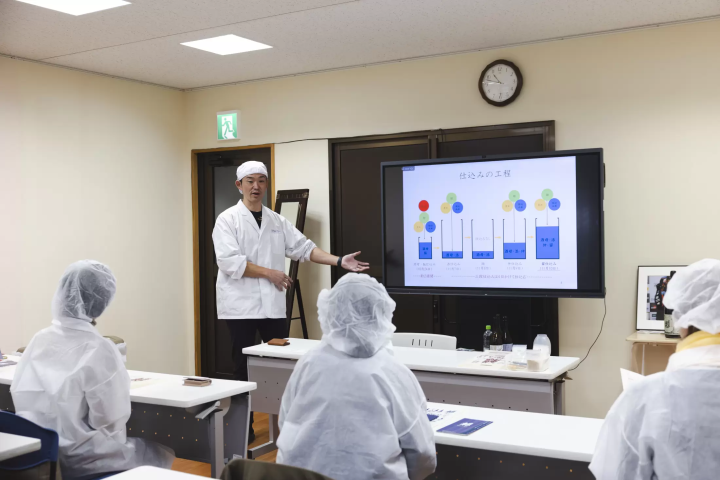
A visit to the Houraisen Ginjo Kobo is a chance to learn about the art of sake brewing from experts and witness the intricate process firsthand.
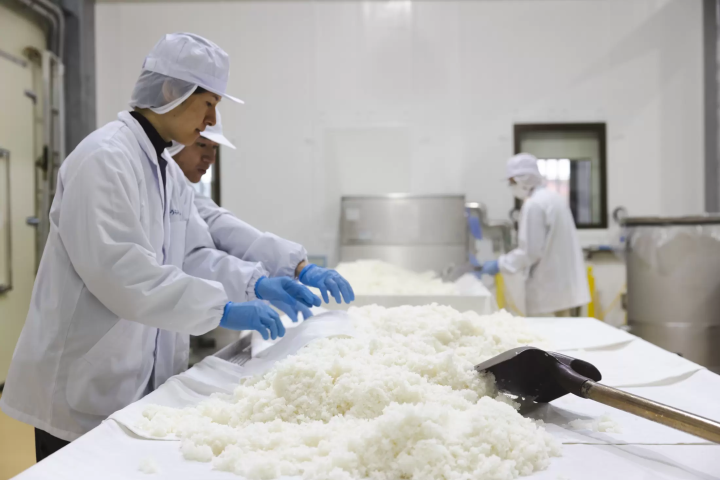
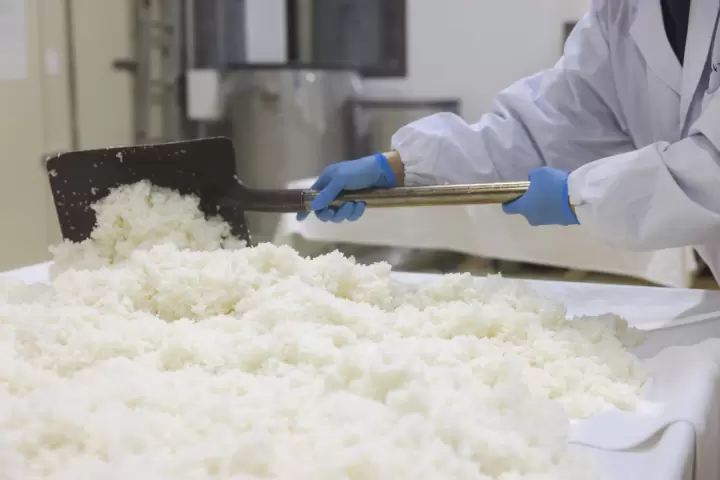
Designed as a compact workshop, the facility allows you to see several crucial stages up close. These include washing the rice, gathering the steamed rice for inoculation with kōji (Aspergillus oryzae)—which is essential for fermentation and the final flavor—and mixing the mash during the fermentation process itself.
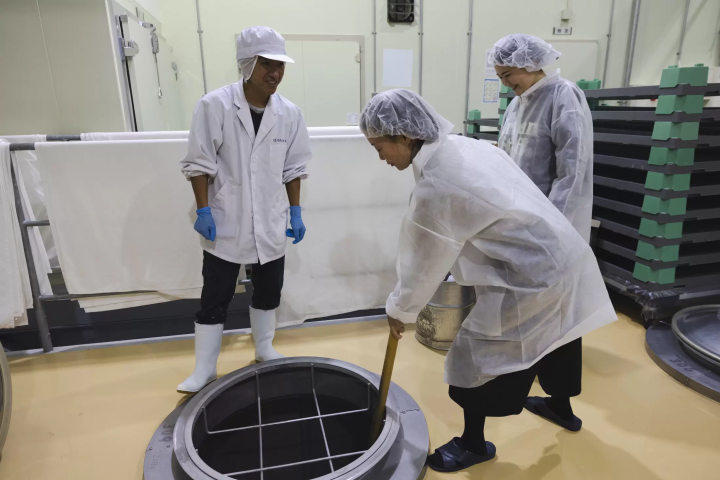
Depending on the brewing schedule, you might even get the chance to try your hand at some of these steps. Because the workshop was specifically designed to introduce sake brewing to the public, its operational areas are surprisingly accessible. Unlike a regular brewery, which limits visitor access to ensure product quality, here you get to see processes you never expected to!
Operating distinctly from the main Sekiya Brewery factory, the Houraisen Ginjo Kobo specializes in sake brewing upon request.
Farmers, for instance, can bring their own harvested rice to the facility to have a truly original sake created from it. This custom service is also popular in Japan for individuals seeking a special brew for wedding celebrations, anniversaries, and other milestones, an honor that the Houraisen Ginjo Kobo proudly fulfills.
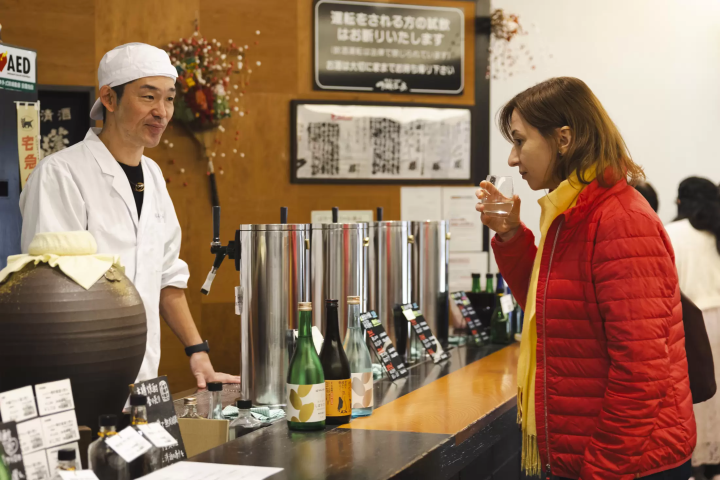
A must-do activity here is tasting several varieties of sake at the shop to find your personal favorite. We highly recommend asking the knowledgeable staff for their suggestions.
When we visited, the new sake of the year had just launched, and we were thrilled to sample several types of shiboritate—freshly pressed, unpasteurized sake. Its strong, refreshing aroma left a lasting impression!
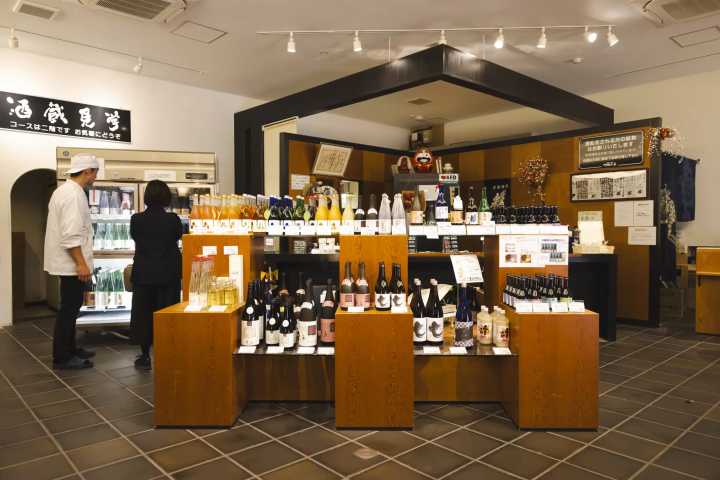
The shop at Houraisen Ginjo Kobo offers a wide array of products. This includes fruit liqueurs, non-alcoholic amazake beverages, sponge cake and other treats made with sake, and even kōji.
You can use the kōji at home to naturally enhance the flavor of chicken via a kōji marinade or to brew your own amazake.
Take your time browsing this selection and stock up on these beneficial fermented goods.
*Brewery tours may be taken freely at any time during business hours via the designated passage. Guided tours of the brewery with explanations and tastings require advance reservation at least one week in advance. Please note there are rules for these guided visits—such as wearing a lab coat (rental fee applies). For the latest information, please check the official website.
Lunch at Izukame: From Wild-Game Dishes to Seasonal Specialties
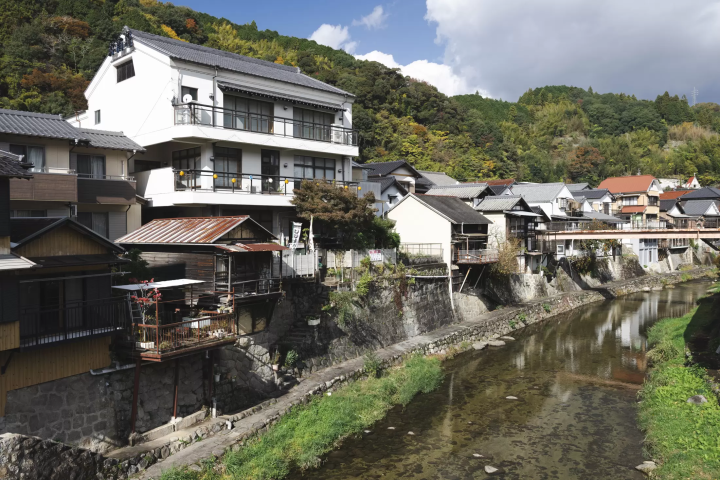
View of the Asuke district. The tall, white-walled building is Izukame.
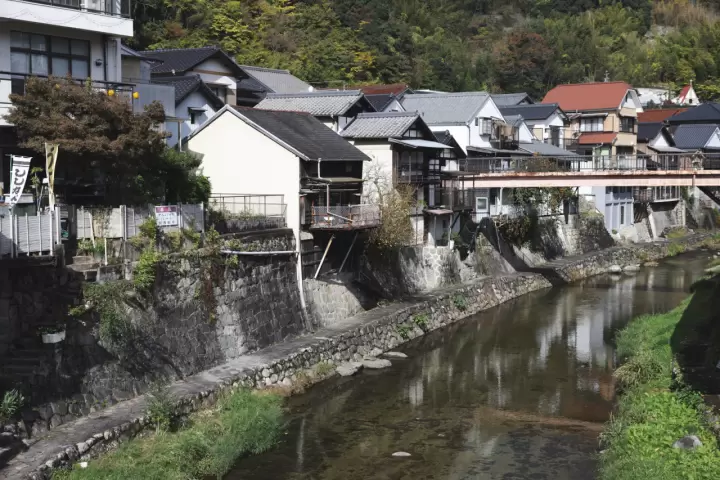
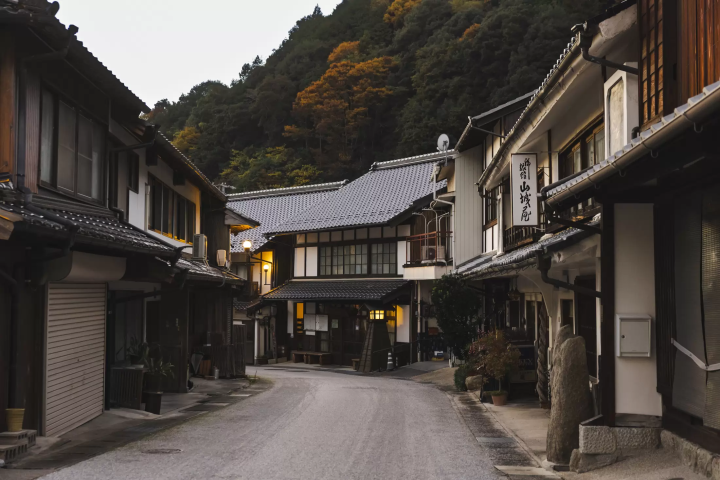
Our recommendation for the afternoon is a visit to Asuke, an old post town district located in the mountains of Toyota. The area is brimming with Japanese architectural charm, preserving traditional buildings and showcasing local artisanal crafts.
It wouldn't be wise to start exploring on an empty stomach, so first stop by Izukame. Established in 1887, this restaurant specializes in traditional, local cuisine, including dishes made with wild game, ayu (sweetfish), unagi eel, and seasonal vegetables.
The restaurant maintains a warm, charming ambiance that perfectly reflects the history and scenery of the Asuke district.
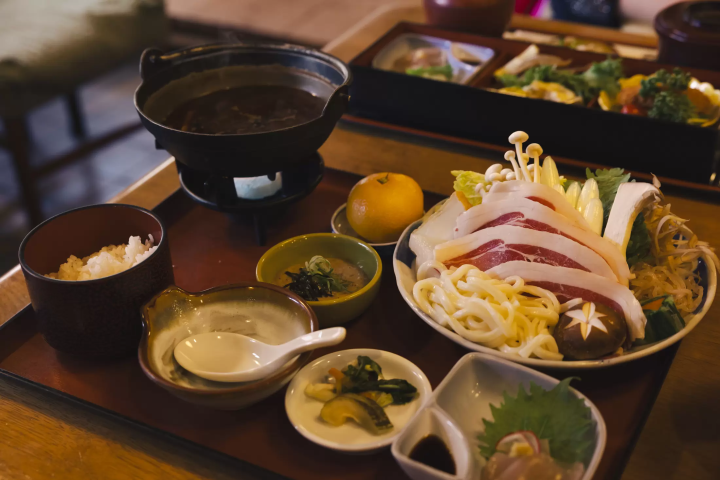
If you visit between autumn and February, feast on the exquisite wild-game dishes at Izukame. They ensure the quality of the meat by working with trusted contracted hunters.
The Wild Boar Nabe Set is a true culinary highlight. It features savory, fat-rich, and incredibly tender slices of meat that you cook individually in a rich soy sauce broth alongside seasonal vegetables. This deeply flavorful set is ideal for gourmands and anyone needing serious physical energy replenishment.
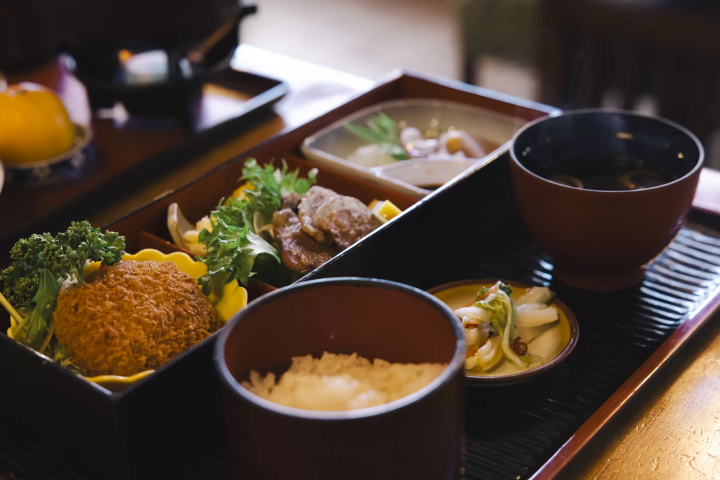
If you prefer a lighter meal, opt for the Wild Boar Grill and Croquettes Set. The croquettes themselves are a local legend in Asuke—truly delicious and fragrant—and are conveniently sold at a shop next door for those who need a takeaway snack.
The croquettes are made using small pieces and parts often set aside when preparing the restaurant's larger wild-game cuisine. This reflects Izukame’s core philosophy of respecting every precious ingredient and ensuring nothing is wasted.
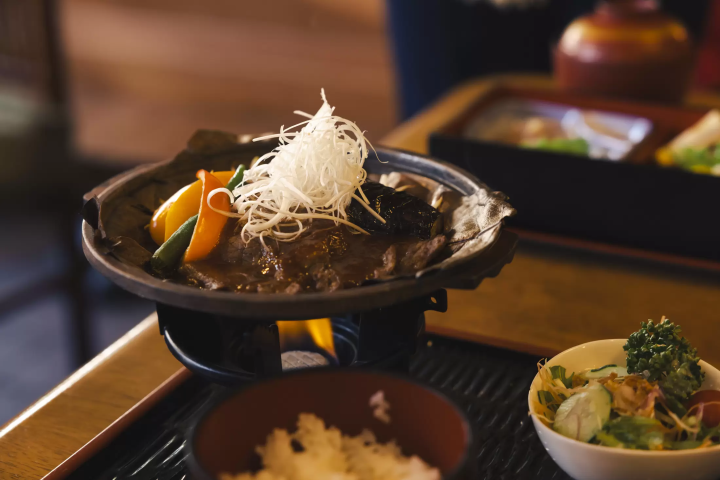
For diners who can’t get enough of Japan’s fermented ingredients and their umami, the Beef Hoba-yaki Grill Set is an excellent choice.
This dish features beef and seasonal vegetables simmered directly in rich miso paste while wrapped in a magnolia (hoba) leaf. The leaf’s unique aroma permeates the ingredients, adding a smoky complexity that blends perfectly with the miso and beef, creating a truly memorable combination of flavors.
In spring, the menu at Izukame features mountain herbs, while in summer, their ayu (sweetfish) cuisine is a must-try specialty. With such an extensive menu, every visitor is sure to find something deeply satisfying to enjoy.
Korankei Gorge: Enjoy the Beauty of the Seasons
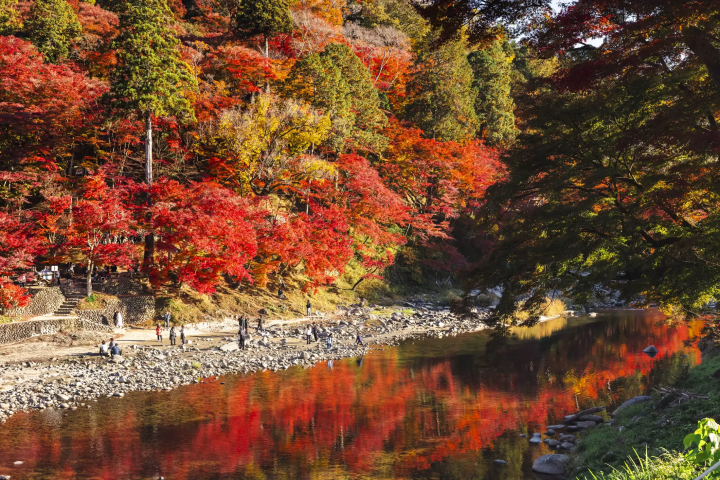
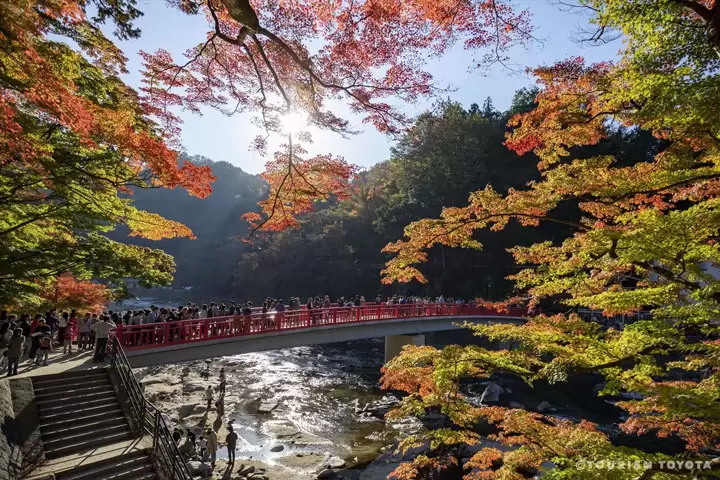
Korankei Gorge, a place of scenic beauty, runs alongside the Tomoe River near the Asuke townscape. The more than 3,000 maple trees that line the river’s eastern bank create a surreal, emerald-like shade during late spring and summer.
Then, in November, they ignite into a spectacular blaze of oranges and reds, establishing Korankei as Aichi’s most famous autumn foliage spot.
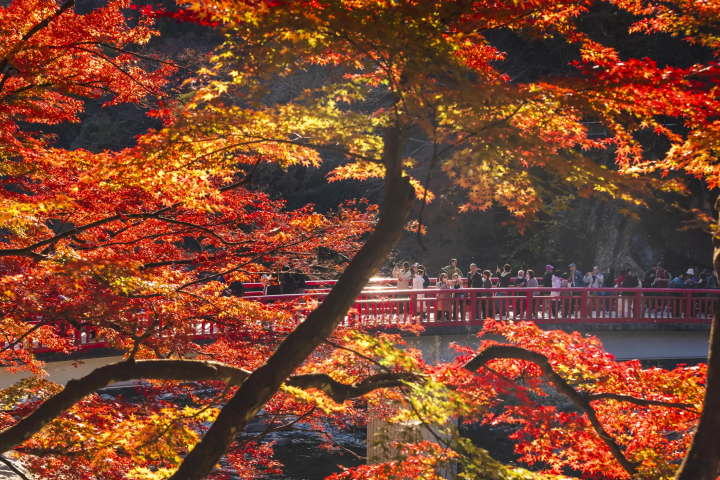
Annually, the Korankei Autumn Foliage Festival takes place here from November 1 to 30, featuring over 80 food stalls.
In a typical year, each evening, the foliage is lit up until 9:00 PM, creating a dreamlike scenery that offers a truly unique viewing experience.
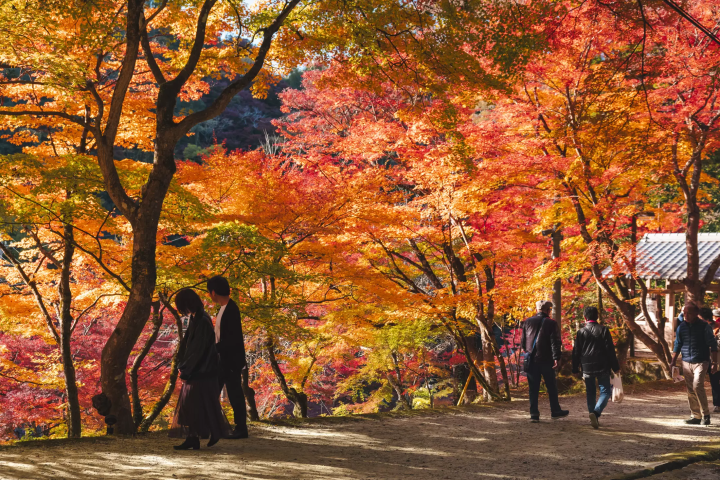
While Korankei's autumn beauty is breathtaking, the gorge remains an exciting place to visit year-round. It offers tranquil mountain paths, the unique charm of sunlight filtering through the leaves, and the soothing sounds of the river, wind, and birdsong.
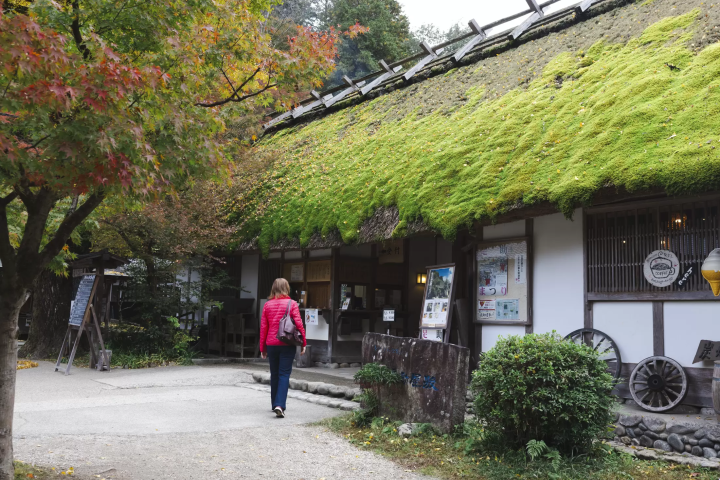
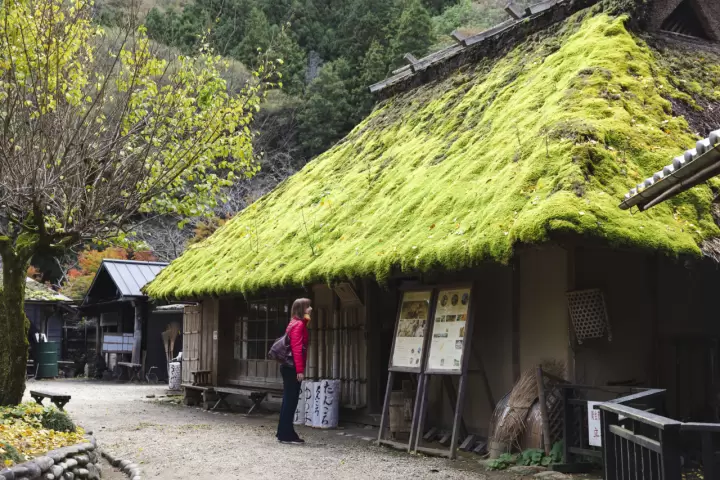
Consider pairing your visit to Korankei with the Sanshu Asuke Yashiki.
This outdoor folk museum was created by relocating historic private houses and showcases Asuke’s traditional crafts—woodworking, indigo dyeing, weaving, bamboo work, and more—through hands-on displays and interactive workshops.
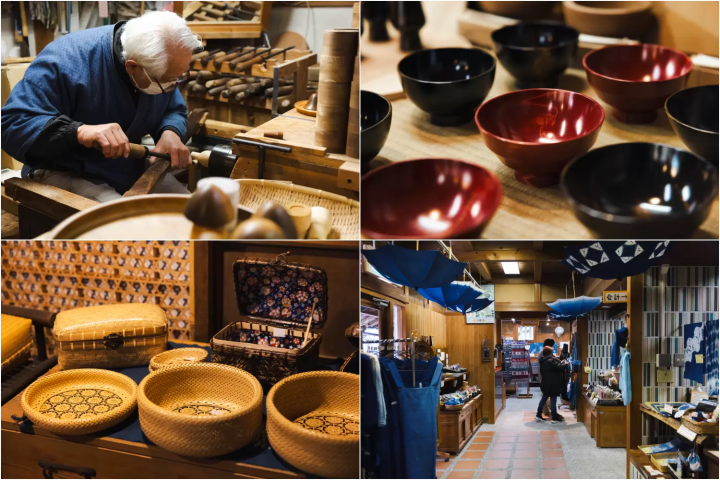
The museum is a living center: you can find artisans working daily, allowing you to witness their skills up close. Clothing and scarves made from natural materials, trays and bowls turned on a lathe, bamboo crafts woven from bamboo splints—these beautiful, one-of-a-kind handicrafts, available only here, make perfect special souvenirs from your trip.
In combination with the seasonal beauty of Korankei Gorge, Sanshu Asuke Yashiki ensures a lasting impression of Toyota as a place of scenic beauty and exquisite traditional craftsmanship.
Asuke’s Historic Townscape: Marvel at Beautiful Traditional Architecture
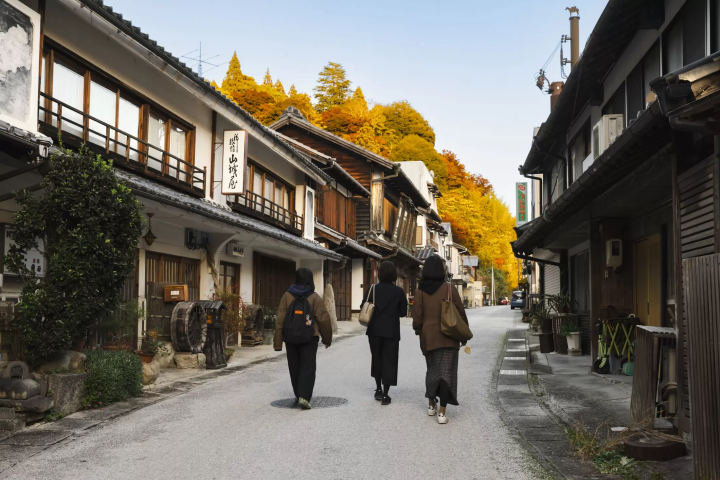
Designated as an Important Preservation District of Historic Buildings, the townscape of Asuke flourished during the Edo period (1603-1868).
It thrived as a crucial post town along the Salt Road, which connected Okazaki to Shiojiri in Nagano and served as the path for merchants carrying salt from the Aichi coast inland.
Today, the buildings in Asuke still perfectly preserve the atmosphere of that lively post town. Built in the traditional machiya-style, they may appear narrow from the street but are surprisingly long and spacious inside.
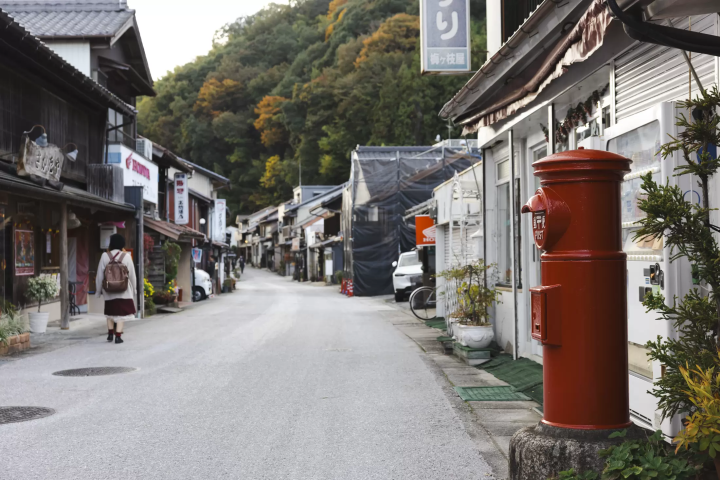
The streets are lined with charming shops. Below, we introduce a few must-visit locations that offer an authentic glimpse into local lifestyles.
1. KIKI Magewappa: Stylish Bento Boxes and Lacquerware
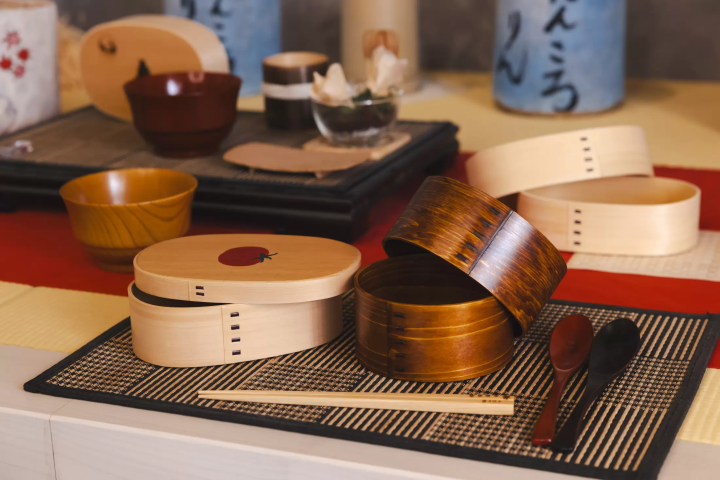
KIKI is a shop specializing in magewappa, traditional bentwood bento boxes.
The owner, originally from Shiojiri in Nagano—the opposite end of the historic Salt Road—was captivated by Asuke's historic charm and crafts, which closely echo his hometown. He opened the shop in March 2024 with the mission of introducing Nagano's artisanal crafts to both locals and visitors in Asuke.
Crafted from cypress wood, magewappa bento boxes were historically highly coveted because they naturally keep cooked rice fresh and enhance its flavor.
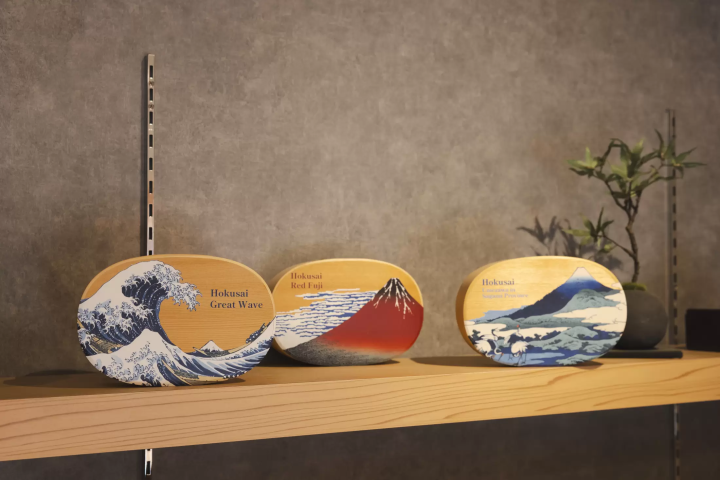
KIKI offers a beautiful and wide selection perfect for any taste: simple designs, lacquered finishes, or boxes featuring famous Japanese art.
Beyond magewappa bento boxes, KIKI also stocks elegant lacquerware from Shiojiri, including soup bowls, chopsticks, and cutlery, alongside wooden decoration and art pieces.
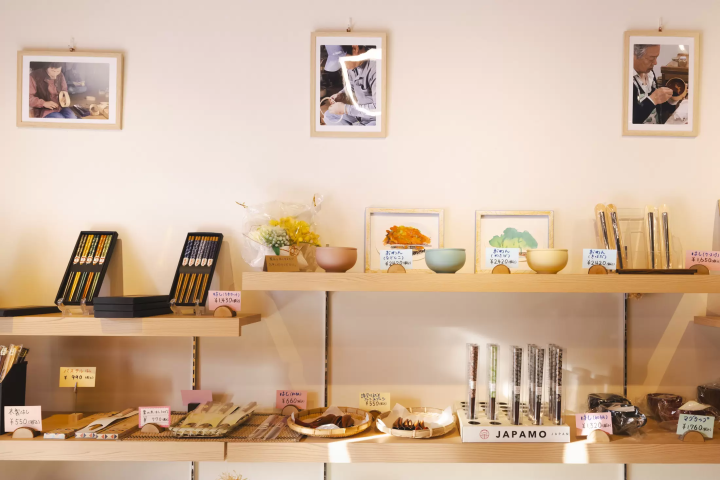
Every object here exudes the warmth of manual craftsmanship, making it a lovely and meaningful souvenir from Asuke that subtly evokes its Salt Road past.
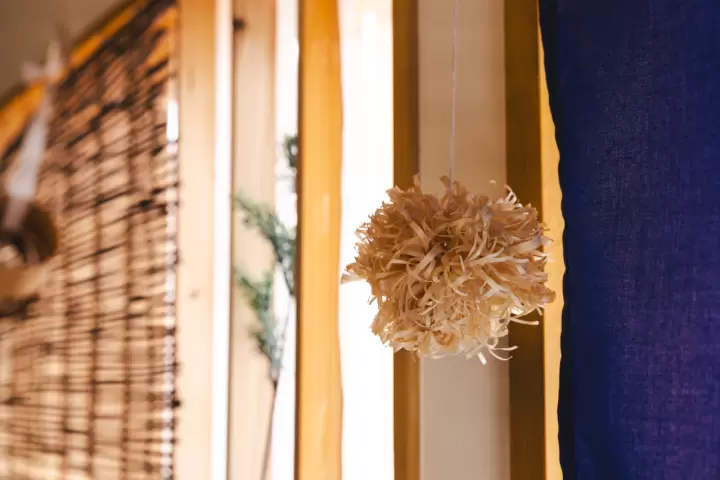
2. Kura-no-Naka Gallery Manrin Bookshop & Café: Perfect for a Coffee Break
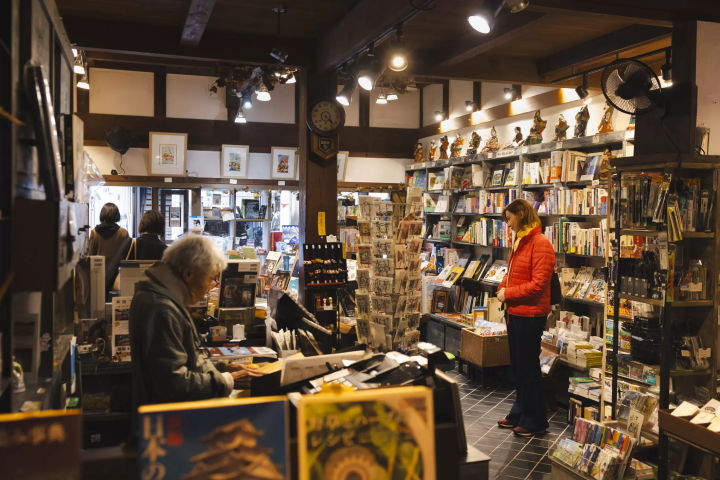
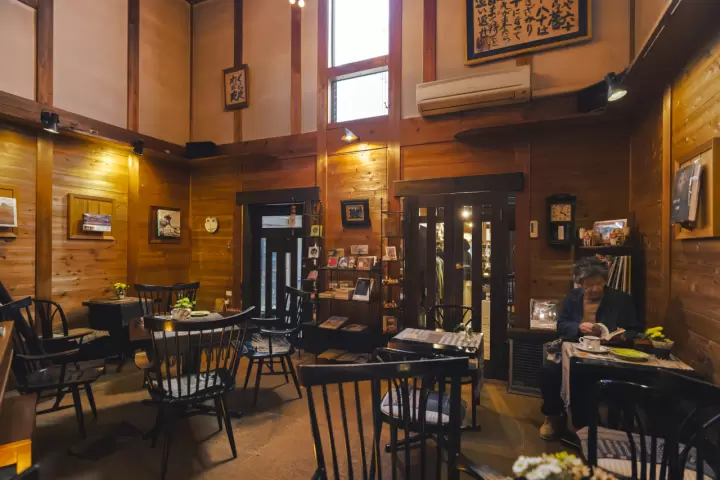
A space filled with a carefully curated selection of books focusing on art and nature, Manrin Bookshop & Cafe is itself like a corner from a storybook! The facility, housed in a renovated traditional kura (warehouse), seamlessly integrates a stylish gallery, a cozy cafe, and the bookshop.
Upon entering, you’ll feel as if time has stopped. Featuring a wide variety of richly illustrated books—including many in foreign languages—and traditional stationery, this charming destination is a treasure trove for those who love art, nature, and storytelling.
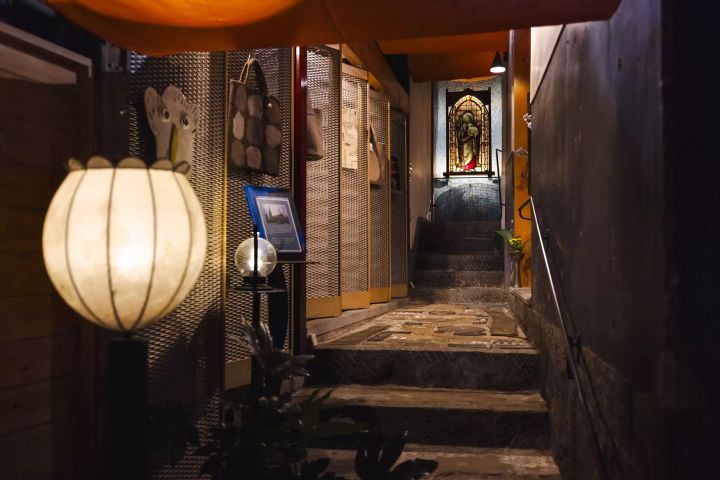
Visit the gallery in the back, where the exquisite design and rotating exhibits will immediately captivate you. Among the displays are beautiful Japanese art books that invite you to sit and browse.
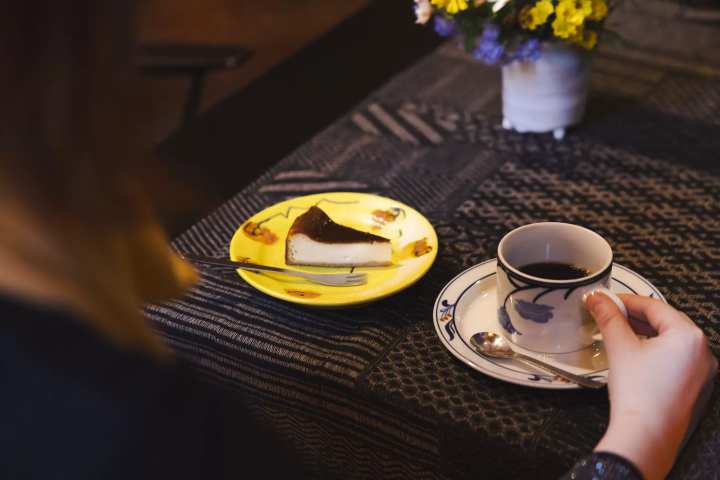
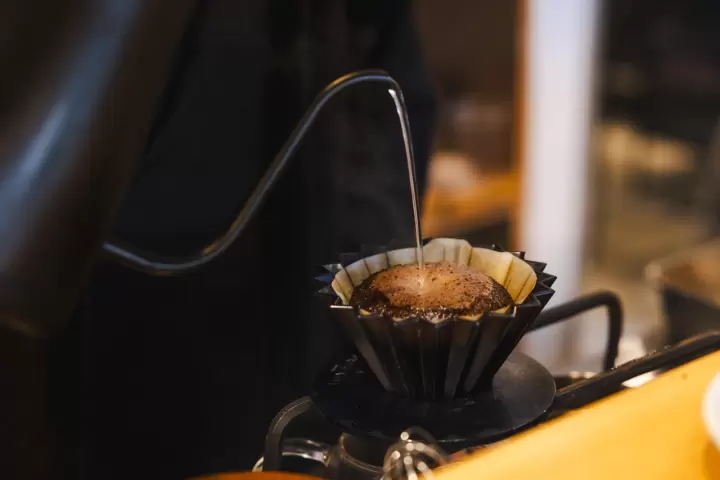
In the center, the cozy cafe offers a perfect place to recharge with delicious drip coffee and homemade cheesecake. With its elegant ambiance and books that nourish the soul, Manrin Bookshop & Cafe is a true gem in Toyota, making it a destination well worth the trip to Asuke.
3. Suzuman Honpo: Tasty Misozuke Pickles, Perfect as a Souvenir
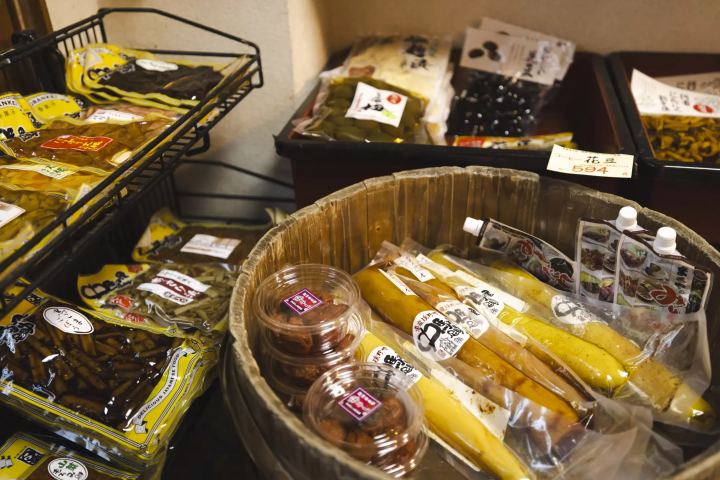
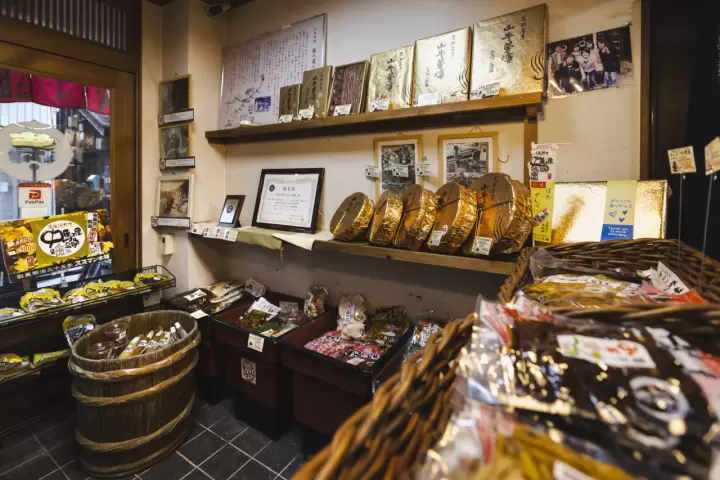
Drop by Suzuman Honpo to acquire misozuke—Toyota's specialty of vegetables pickled in miso. Operating since 1902, this shop meticulously crafts its misozuke using a carefully preserved, traditional family method.
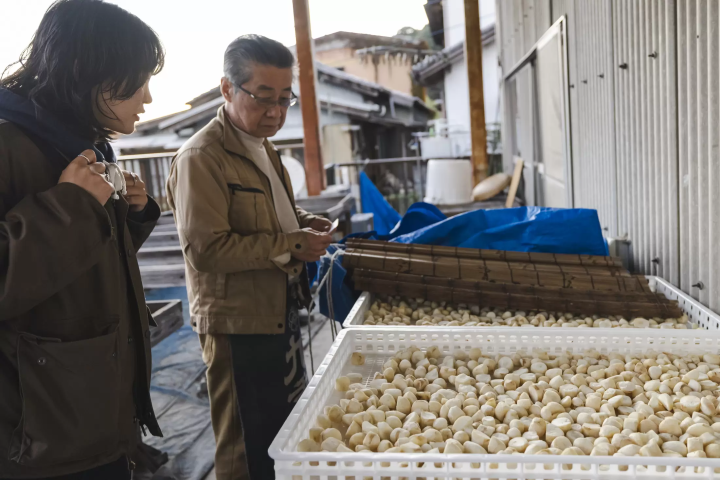
The president of Suzuman Honpo shows us the Kikuimo (Jerusalem artichoke) prepared just before being pickled into misozuke.
We particularly recommend the misozuke made from Yamagobo (wild burdock roots) and Kikuimo (Jerusalem artichoke), which provide a delightful, refreshing accompaniment to cooked rice or meat dishes.
Visiting in November is ideal: right when the Korankei Autumn Foliage Festival is held, the shop launches its new misozuke products of the year. It’s the perfect time to visit and stock up on these truly delicious fermented treats!
4. Kobatoya: A Cozy Inn Decorated with Asuke Crafts
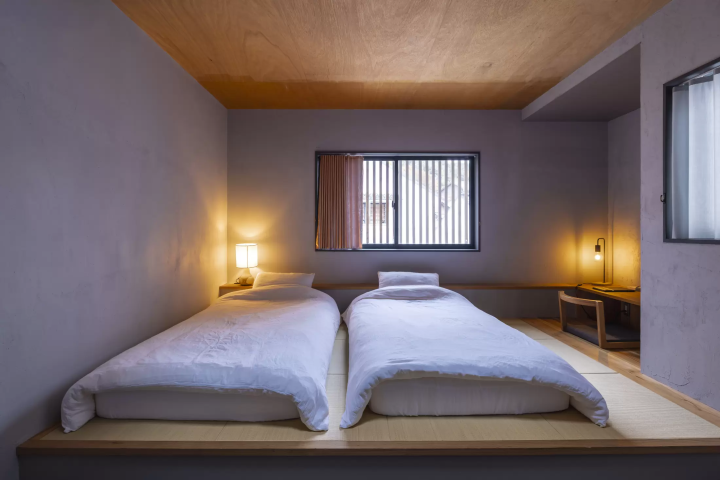
To fully appreciate Asuke, consider an overnight stay at Kobatoya. This modern inn occupies a beautifully renovated traditional building and serves as a superb choice for accommodation.
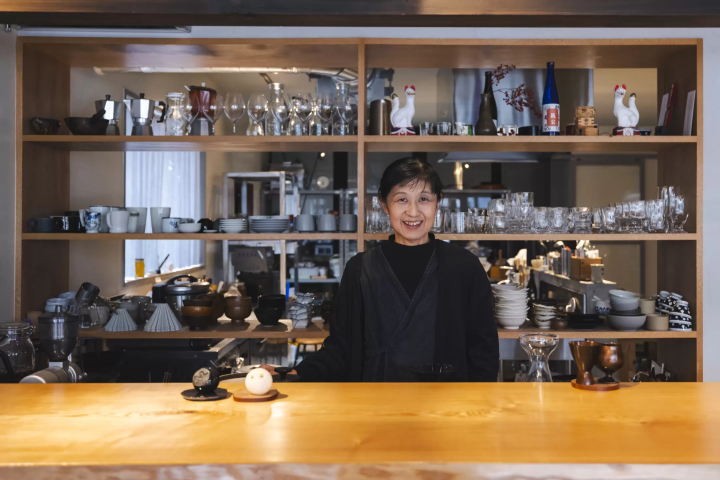
Owner Tomoko Torii, originally from Hekinan, opened the lodging in 2023 following time spent in Tokyo and Canada. She meticulously renovated the building, decorating the interior with crafts sourced directly from the artisans at Sanshu Asuke Yashiki.
The rooms are cozy, featuring a simple, appealing wooden aesthetic with custom-made lamps and furniture. The inn’s exterior was maintained in its original state, ensuring it perfectly preserves the historic townscape of Asuke.
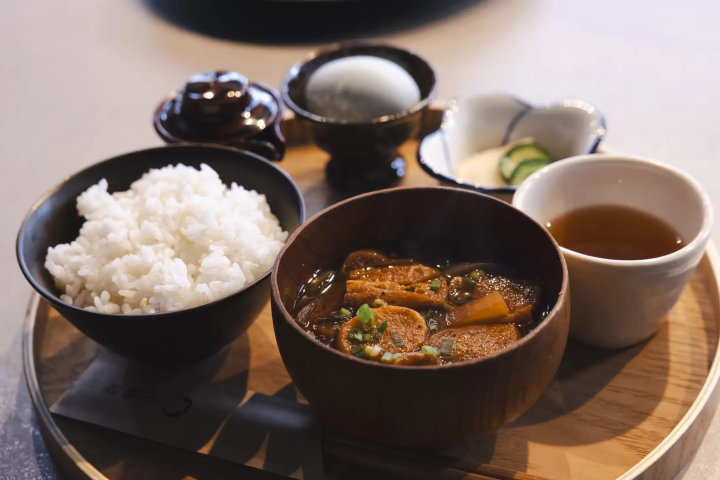
The owner prepares a handmade breakfast every morning, offering both Japanese and Western choices. The Japanese menu features miso soup, rice, egg, and assorted side dishes, while the Western style comes with quality coffee, bread, egg, and cheese.
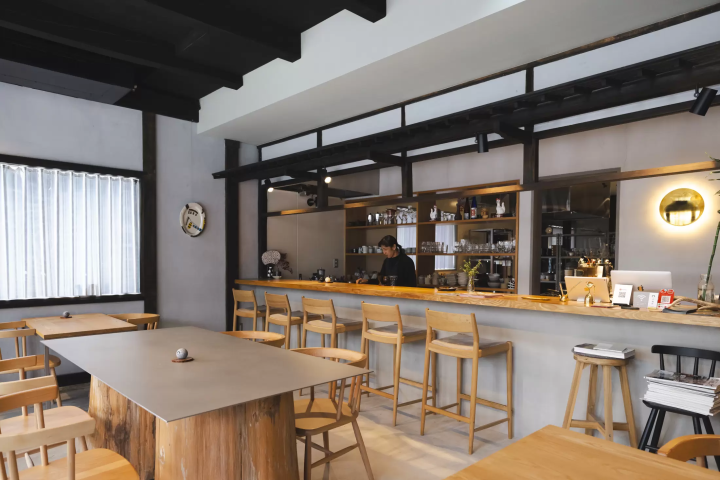
By day, Kobatoya operates as a cafe, inviting visitors to take a relaxing break. They can enjoy the tranquil outdoor scenery viewed through the ceiling-to-floor glass windows. This cozy setting, filled with local handcrafted items, ensures a truly memorable experience at the inn.
Summary
We hope this itinerary has revealed a rich, cultural side of Toyota—a city often known only for its car manufacturing.
Central Toyota is easily accessible from major stations, including Mikawa Toyota (Aichi Loop Line) or Toyotashi (Meitetsu Line).
To get to Asuke from Nagoya, you have several options: you can take the subway to Josui Station and transfer to a Toyota Oiden bus toward Ashikaga, or take the subway to Toyotashi Station and transfer to a Meitetsu bus bound for Asuke. It is also possible to use the Meitetsu train line from Nagoya to Higashi-Okazaki Station and catch a connecting Meitetsu bus from there.
The contents on this page may partially contain automatic translation.