
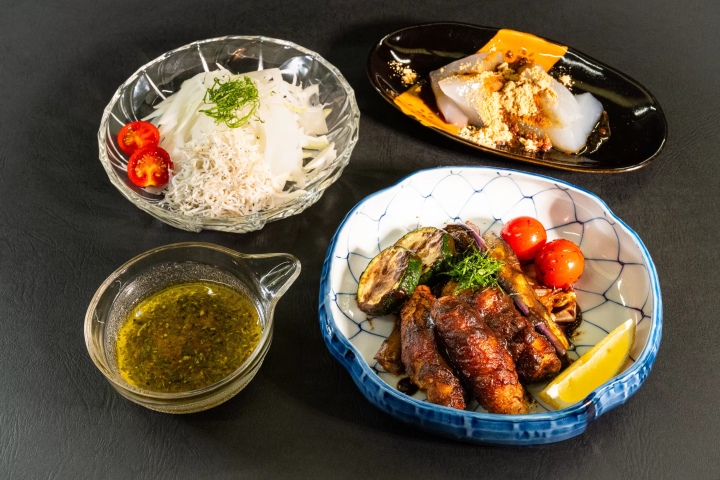
Souvenirs that bring back memories of your trip. Around Nagoya, you'll find a variety of unique fermented seasonings, such as white soy sauce, Mikawa mirin, and soybean miso paste. We'll introduce easy recipes, taught by chefs, that you can enjoy even after returning home.
2026.07.06-
Table of Contents
- The region around Nagoya is a “Fermentation Kingdom”, A region where one of Japan’s leading brewing cultures developed.
- White soy sauce: A light-colored soy sauce packed with sweetness and umami
- White Soy Sauce Recipe: White Soy Sauce Dressing - Salad with New Onions and Dried Young Sardines
- Soybean Miso Paste: The Powerful Fermented Umami Unique to Nagoya
- Soybean Miso Paste Recipe: Pork and Vegetables Grilled with Soybean Miso Paste
- Mirin: A natural sweetness that can be used in both savory dishes and desserts
- Mikawa Mirin Recipe: Kudzu Mochi with Mikawa Mirin Syrup
- Kuzumochi-Style Dessert with Tapioca Starch
- The journey continues when you "use" your travel souvenirs
The region around Nagoya is a “Fermentation Kingdom”, A region where one of Japan’s leading brewing cultures developed.
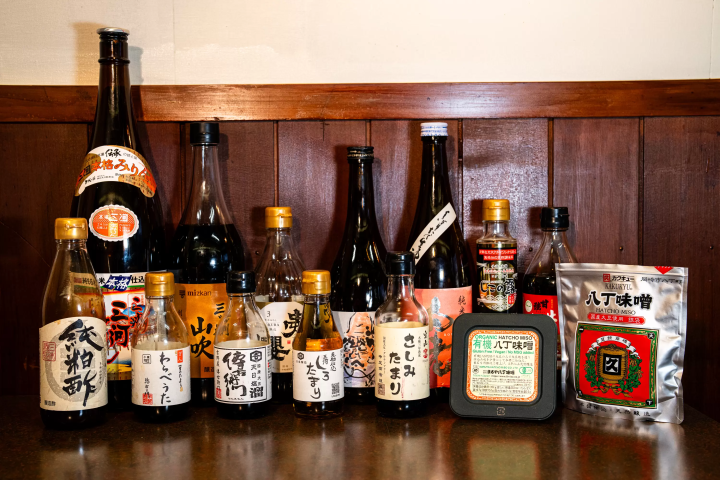
The area surrounding Nagoya is one of Japan's leading regions for fermentation and brewing culture. With a history of prosperity through maritime trade, and easy access to raw materials such as rice, soybeans, wheat, and salt, the area has long been a center for the production of soy sauce, miso, vinegar, mirin, and sake.
In particular, the Mikawa region and the Chita Peninsula have a high concentration of breweries, and a brewing culture that preserves traditional methods still thrives there today.
Fermented foods are not merely seasonings; they embody the food culture itself, brimming with the local climate, lifestyle, and the wisdom of its people. Even after traveling to Nagoya, you can continue to enjoy the flavors of your trip by using them at home.
Visitors to Nagoya might think, "These are delicious, and they make great souvenirs unique to this region! ...But I don't know how to use them!" However, these seasonings can actually be incorporated not only into Japanese cuisine but also into everyday cooking.
This time, we'll introduce three fermented seasonings unique to Nagoya, along with easy recipes you can try at home. The recipes were provided by Chef Hayahisa Nagata of the Japanese restaurant "Ittou," who is intimately familiar with the seasonings of Nagoya’s surrounding areas. He shared simple recipes that, while having a Japanese flavor, can also be applied to dishes other than Japanese cuisine!
Click here for the article about Chef Nagata of the Japanese restaurant "Ittou," who shared the recipes. ↓
White soy sauce: A light-colored soy sauce packed with sweetness and umami
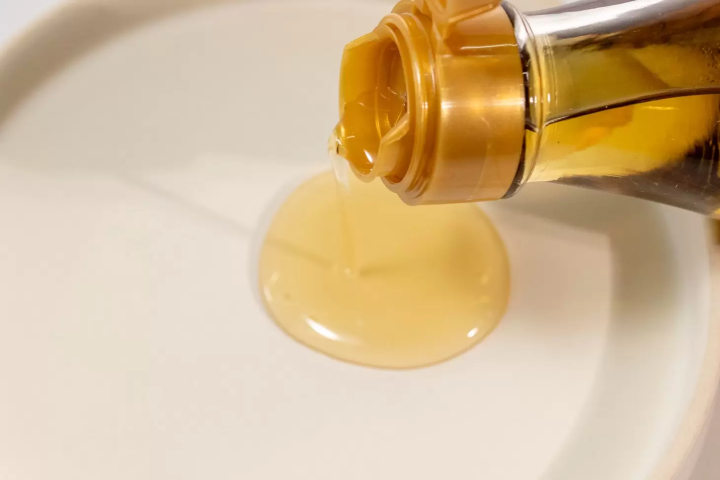
White soy sauce is a rare type of soy sauce in Japan, originating in Hekinan City, Aichi Prefecture. Unlike typical dark soy sauce, it's made with a higher proportion of wheat, resulting in a lighter color but a rich sweetness and umami flavor. Because it allows the natural color of the ingredients to shine through, it's primarily used in high-end restaurants and is commonly found in egg dishes and soups in Japanese cuisine.
The greatest appeal of white soy sauce is that it doesn't have that typical "soy sauce taste." While using other types of soy sauce in cooking instantly gives a distinctly "Japanese" feel, white soy sauce enhances the flavor without altering the color of the dish. It pairs well with creamy dishes, pasta, olive oil dressings, and fish dishes, making it versatile beyond Japanese cuisine.
White Soy Sauce Recipe: White Soy Sauce Dressing - Salad with New Onions and Dried Young Sardines
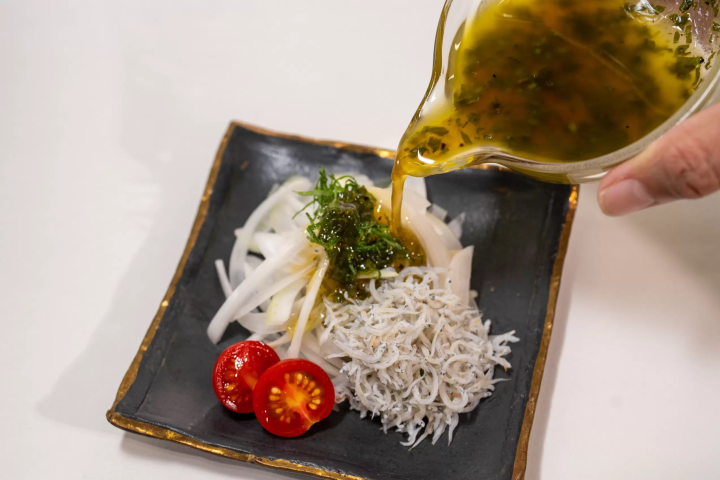
Ingredients
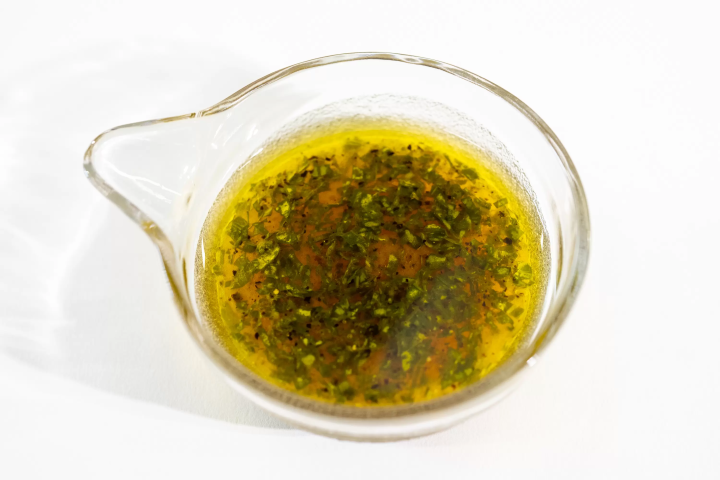
White Soy Sauce Dressing
- White soy sauce 30cc
- Vinegar 30cc
- Olive oil 30cc
- Mirin 5cc
- Basil appropriate amount
- Coarsely ground pepper appropriate amount
Salad Ingredients(Serves 4)
- New onion 1
- Dried young sardines 40g
- Cherry tomatoes 4
- Shiso leaves 4
Instructions
1. Mix all the dressing ingredients well in a dressing bottle or similar container.
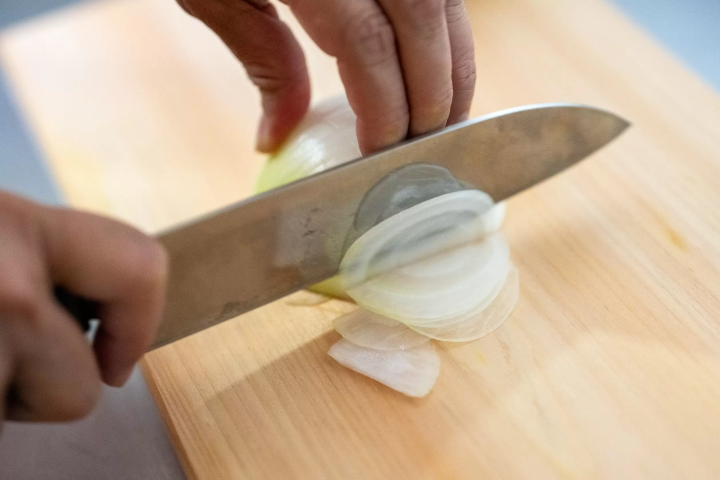
2. Peel the new onion and cut it in half lengthwise. Slice it lengthwise along the grain. Rinse quickly with water and drain.
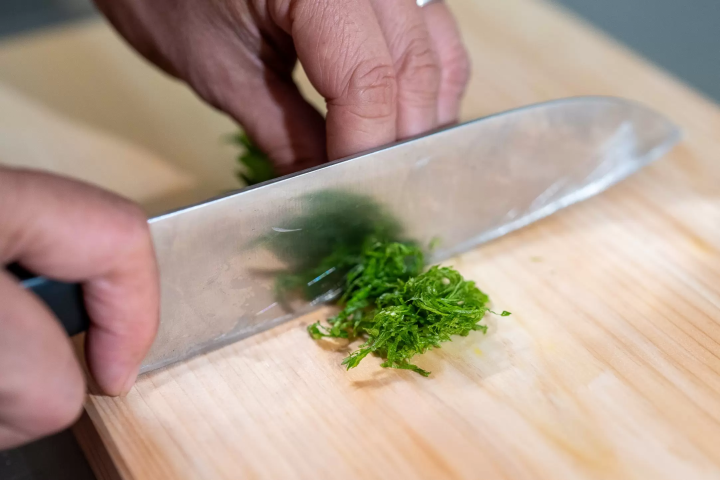
3. Cut the shiso leaves in half lengthwise, then julienne them crosswise, rinse quickly with water, and drain.
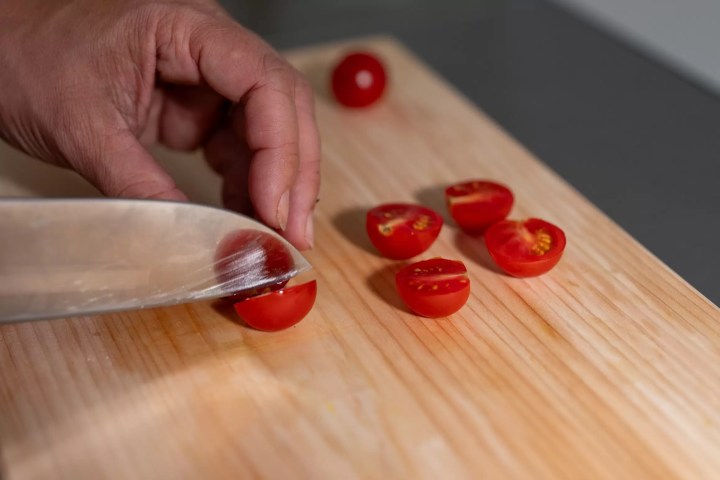
4. Cut the cherry tomatoes in half.
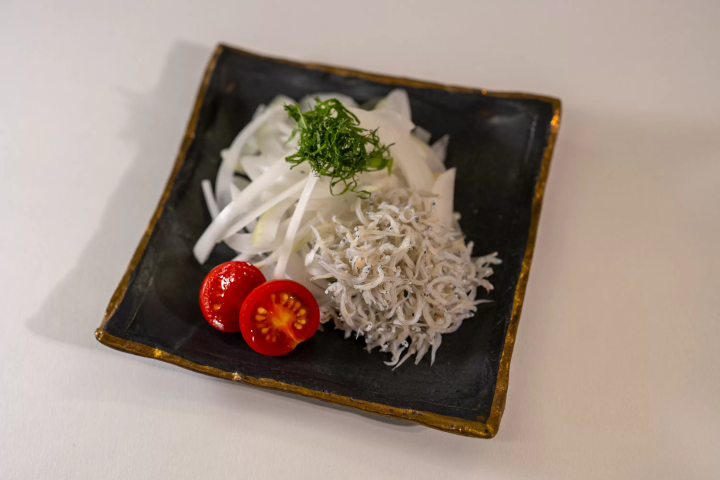
5. Arrange the new onion, dried young sardines, and cherry tomatoes on a plate, and place the shiso leaves on top.
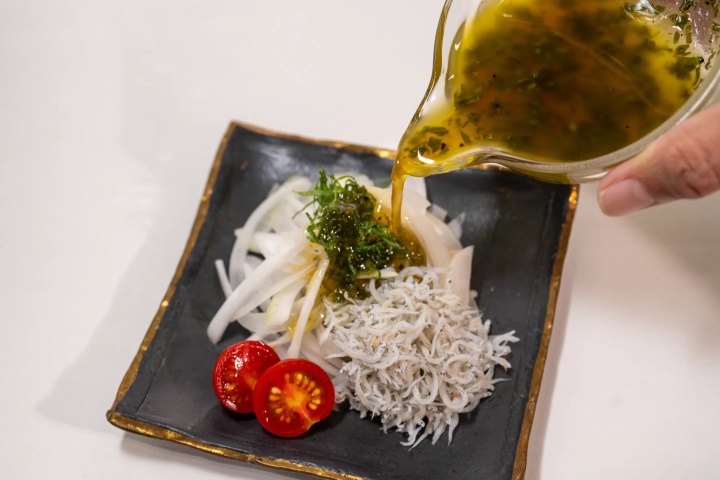
6. Pour the dressing over the salad just before serving.
Tips
- We used white soy sauce this time, but using tamari soy sauce will give the dressing a richer flavor. Adding a little sesame oil will give it a Chinese style.
- Do not soak the new onion in water for too long.
- Cutting the shiso leaves crosswise helps them form a round shape when arranged on a plate. Rinsing them quickly after cutting will prevent them from turning black.
Soybean Miso Paste: The Powerful Fermented Umami Unique to Nagoya
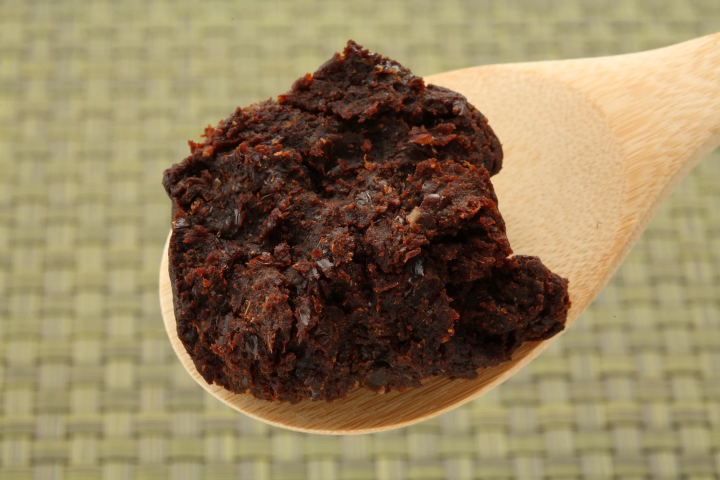
Soybean miso paste is a type of miso paste unique to the Nagoya area, made solely from soybeans. Long-term aging creates a rich, deep flavor and umami. It's a unique type of miso paste in Japan and an essential ingredient in Nagoya's local cuisine, such as red miso soup and miso-stewed udon noodles.
Its robust umami makes it surprisingly compatible with meat dishes and sauces. Its umami flavor intensifies with simmering, and adding just a small amount adds depth to dishes. Overseas, it's a versatile condiment used in barbecue sauces, stews, curries, and as a secret ingredient in roasted vegetables.
Soybean Miso Paste Recipe: Pork and Vegetables Grilled with Soybean Miso Paste
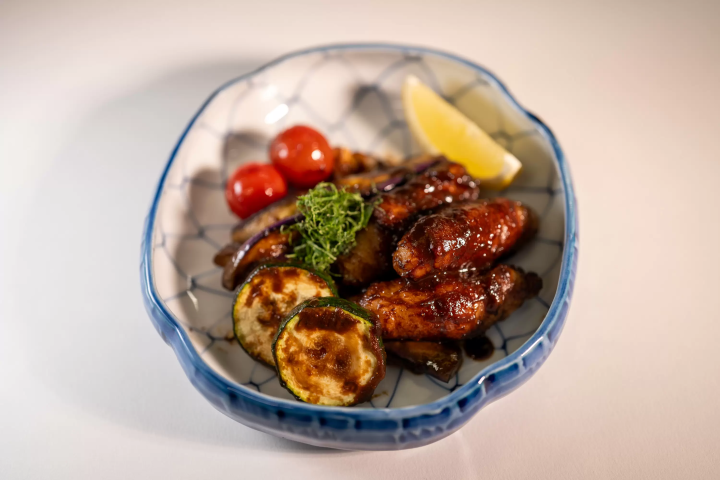
Ingredients (for 4 servings)
- sliced pork belly 160g
- 1 eggplant
- 8 cherry tomatoes
- 1/2 zucchini
- 1/2 onion
- 4 shiso leaves
- Shichimi chili pepper appropriate amount
- Oil appropriate amount
Miso Sauce
- soybean miso paste 20g
- mirin 2 tablespoons
- water 100cc
- 1/4 lemon
Instructions
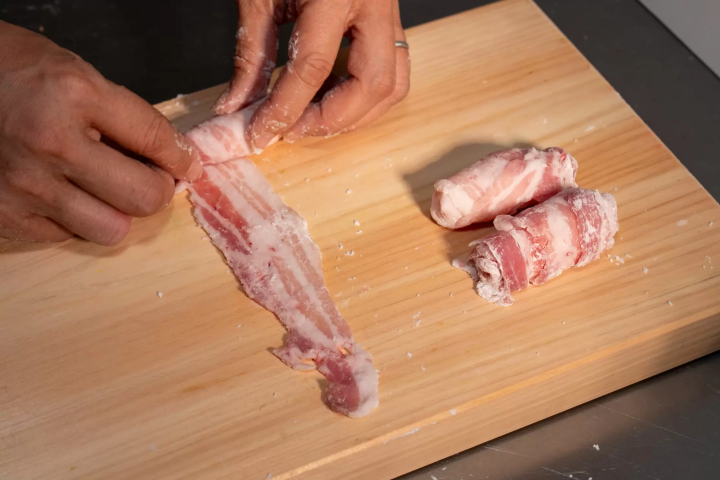
1. Divide the pork belly into 20g portions, coat one side with potato starch and roll them up.
Remove the calyx from the eggplant and peel the skin unevenly with a peeler. Cut in half lengthwise and then into four pieces crosswise. Slice the zucchini into rounds about 8mm thick. Cut the onion into wedges. Remove the stems from the cherry tomatoes. Shred the shiso leaves and rinse them quickly with water.
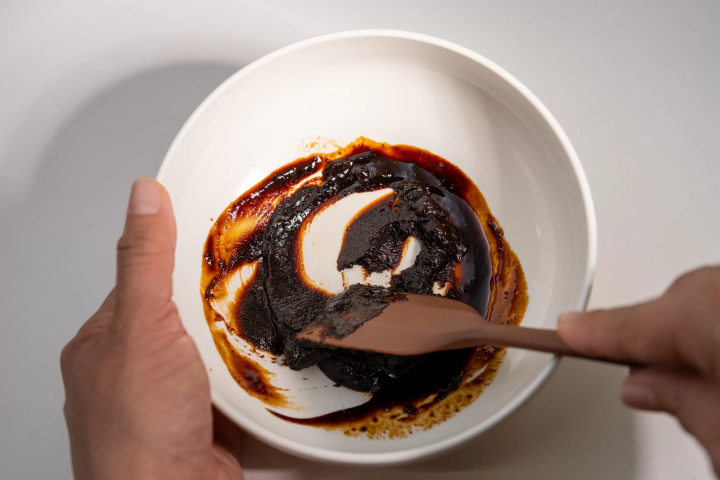
2. Put the Hatcho miso and mirin in a bowl and mix well.
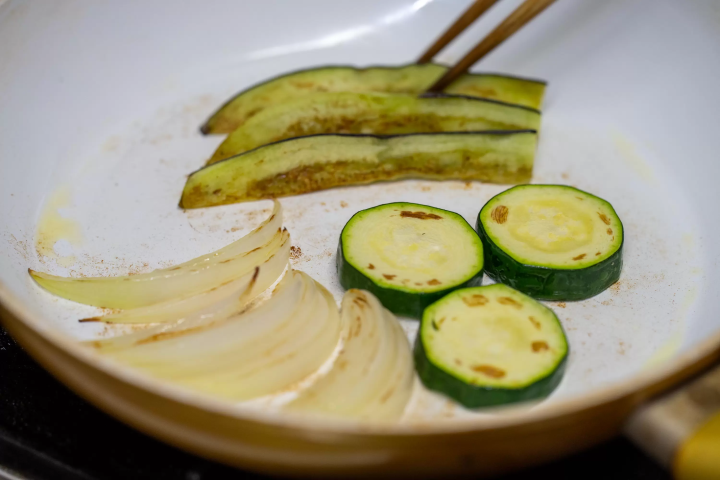
3. Put oil in a frying pan and heat it. Add eggplant, onion and zucchini and cook. Remove when browned.
4. Put more oil in the frying pan and heat it. Add the pork belly and cook, turning occasionally, until the surface is browned, then add the ingredients from step 2, water and cherry tomatoes. Once it boils, adjust the heat, and when the meat is cooked through and the sauce has thickened slightly, add the mixture from step 3 and simmer briefly.

5. To finish, drizzle with lemon juice and serve on a plate. Top with shiso leaves and sprinkle with shichimi chili pepper to taste.
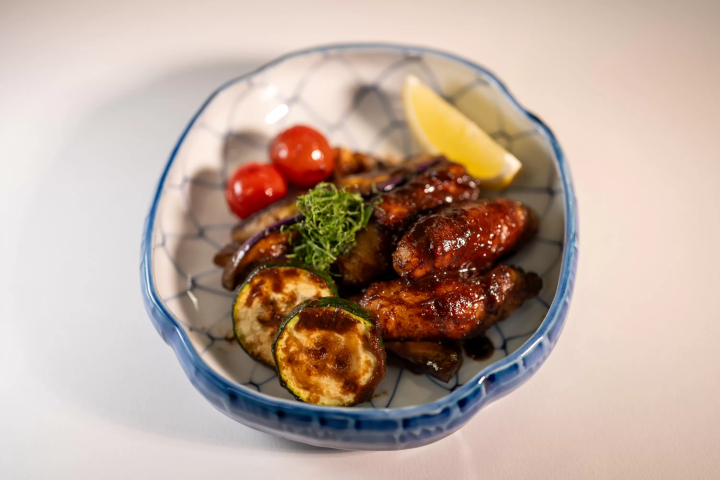
Points
- Soybean miso paste (especially Hatcho miso paste) is hard and does not mix well with liquid, so add the mirin little by little.
- Please use your favorite vegetables.
Mirin: A natural sweetness that can be used in both savory dishes and desserts
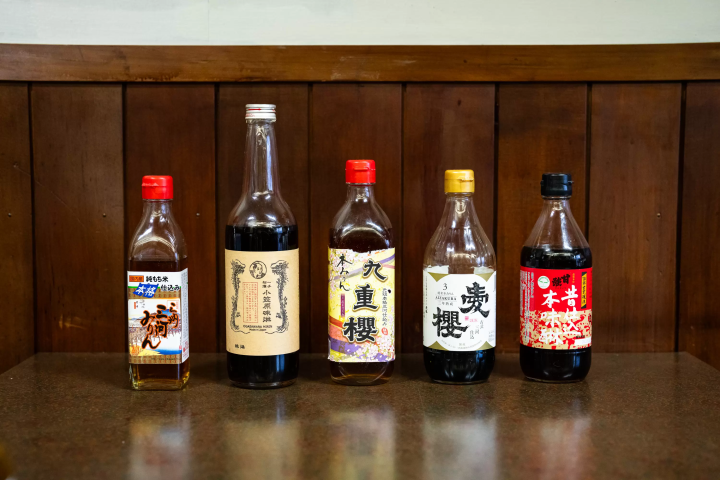
Aichi Prefecture boasts one of the highest mirin production volumes in Japan. In particular, Mikawa mirin is a traditional mirin that has been made for a long time in the Mikawa region of Aichi Prefecture. Made solely from rice—glutinous rice, rice koji, and rice shochu—and aged over a long period of time, it has a deep flavor that sets it apart from mere sweeteners. It is characterized by a natural, gentle sweetness that comes from fermentation, rather than the direct sweetness of sugar. It is also attracting attention as a low-GI food.
It can be used not only in Japanese cuisine to add gloss and richness, but also in baked goods, fruits, and drinks. It is also recommended to use it like a "rice liqueur."
Mikawa Mirin Recipe: Kudzu Mochi with Mikawa Mirin Syrup
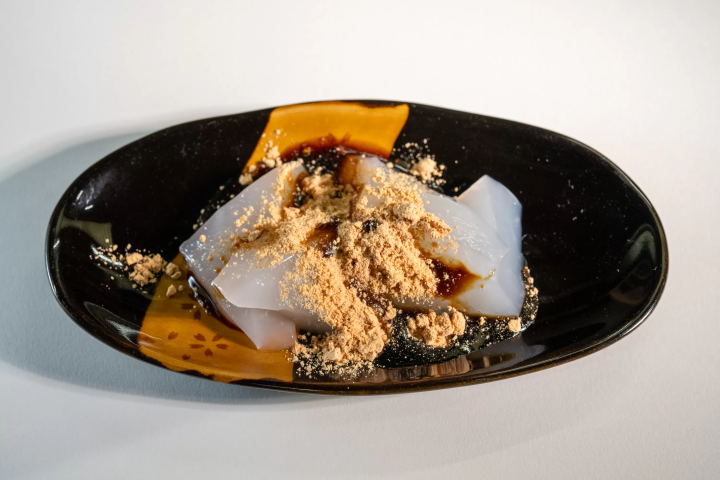
Ingredients
- Kudzu starch 40g
- Water 200cc
- Mikawa Mirin appropriate amount
- Kinako appropriate amount
Instructions
1. Put the Mikawa Mirin in a pot and heat over medium heat. Once it boils, reduce the heat to low and simmer until it is reduced by about 30%.
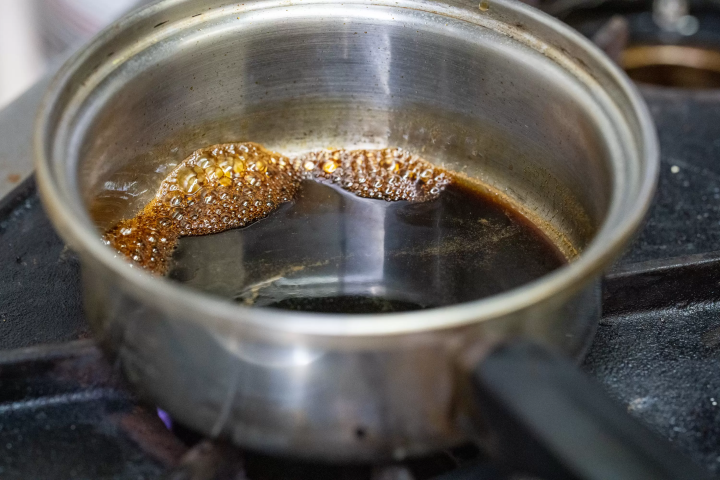
2. Put the kudzu starch in a bowl, add water and dissolve, then strain through a sieve. Put it in a pot and heat over medium heat, kneading with a rubber spatula.
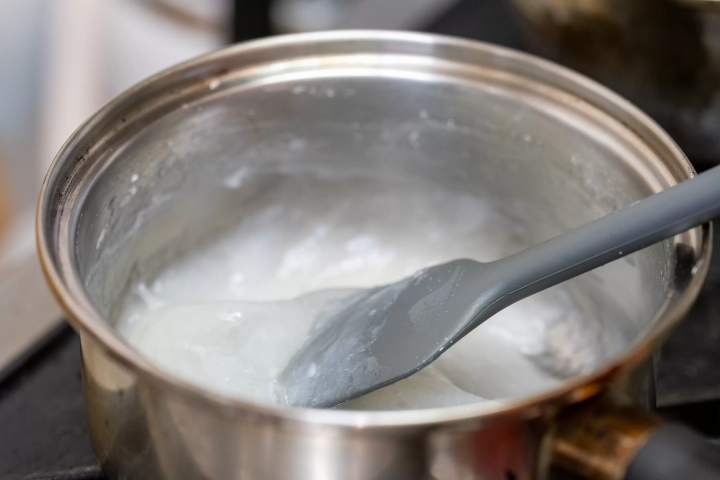
3. Once it becomes transparent and firm, transfer it to a tray moistened with water and spread it out. Drop it into cold water to cool.
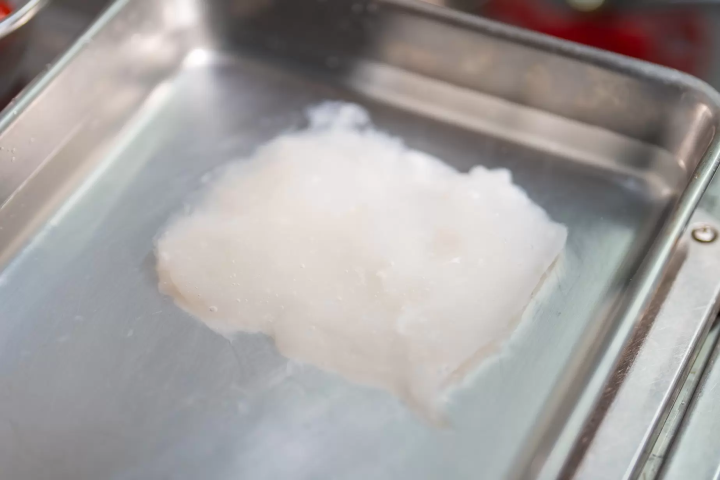
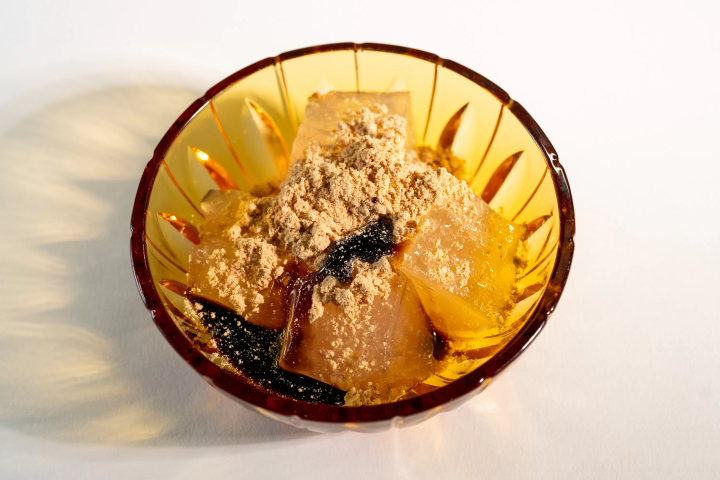
4. Cut into bite-sized pieces, arrange on a plate, and drizzle with mirin syrup and kinako.
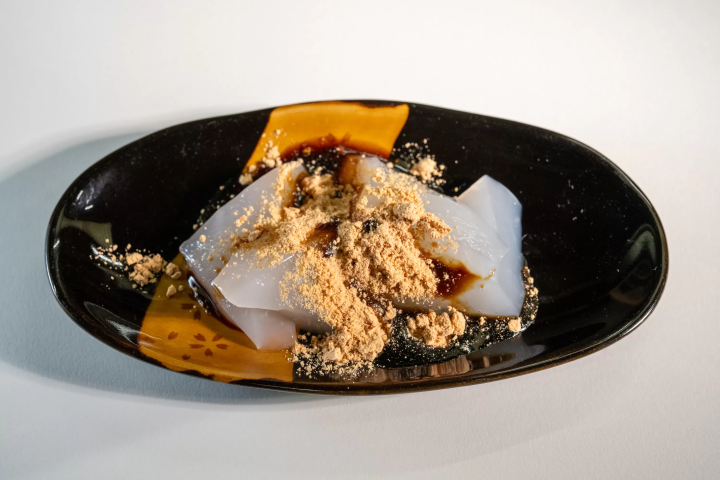
Points
- When kneading the kudzu starch, do not stop kneading as soon as the whole thing becomes transparent, but knead for another 1-2 minutes.
- If the water is too cold, it will quickly turn cloudy, so remove it as soon as it has cooled down. Putting it in the refrigerator will cause it to turn cloudy.
Kuzumochi-Style Dessert with Tapioca Starch
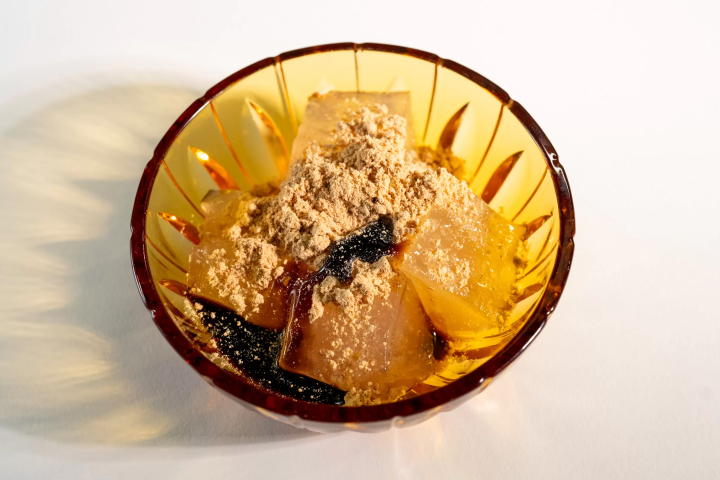
If you can't get your hands on kudzu starch, you can make a dessert similar to kudzu mochi using tapioca flour and potato starch. It will have a chewier texture than kudzu starch.
Ingredients
- Tapioca flour 30g
- Potato starch 10g
- Water 200cc
Instructions
1. Mix the flour and water thoroughly and heat over medium heat, stirring constantly.
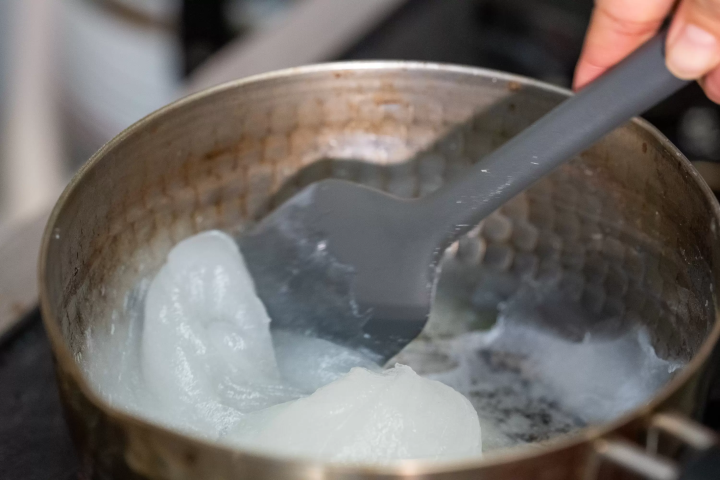
2. Once it becomes transparent and firm, transfer it to a tray moistened with water and spread it out. Drop it into cold water to cool.
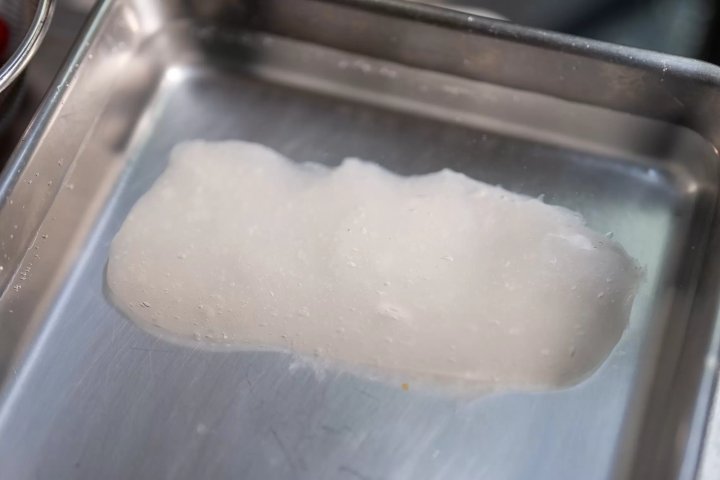
3. Cut into bite-sized pieces, arrange on a plate, and top with mirin syrup and kinako powder.
Tips
- The mixture will change from cloudy → semi-transparent → transparent. Once it becomes fully transparent, continue kneading and stirring for another 1–2 minutes.
- For a sweeter, more dessert-like flavor and smoother mouthfeel, add 20 g of sugar to the tapioca starch and potato starch before cooking.
- Prolonged refrigeration can make the dessert hard, so it is best served at room temperature or chilled only briefly.
The journey continues when you "use" your travel souvenirs
Sometimes, condiments bought on a trip end up tucked away in the back of the kitchen when you get home because you don't know how to use them. But the true charm of local flavors is revealed when you actually use them. Sometimes, condiments bought on a trip end up tucked away in the back of the kitchen when you get home because you don't know how to use them. But the true charm of local flavors is revealed when you actually use them.
Fermented condiments from the Nagoya area are traditional yet surprisingly versatile. Just adding a little to your usual dishes can lead to the discovery of new flavors. Please enjoy the fermentation culture you encountered in Nagoya in your own home.
The contents on this page may partially contain automatic translation.