
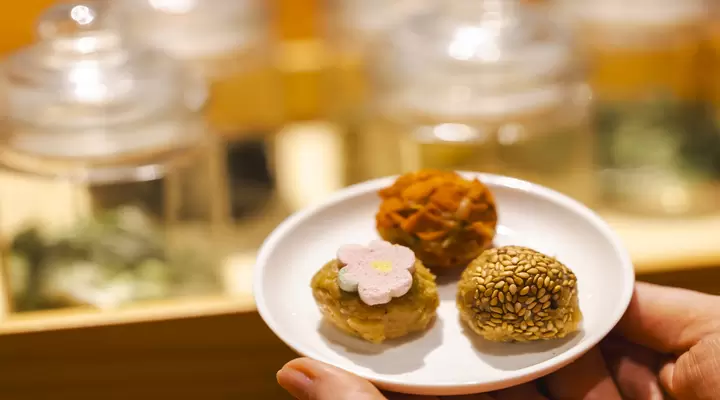
Discover Japan's national fungus at Kanazawa’s Yamato Koji Park. Learn how miso, soy sauce, and sake are made through free guided tours and hands-on workshops.
2026.07.16Koji: The Essential Ingredient of Fermentation in Japan
In our series on Japanese fermentation, we have featured traditional makers and their crafted products, including miso, soy sauce, sake, and mirin.
The essential ingredient behind all of these foods is koji (Aspergillus oryzae). This beneficial fungus drives the fermentation process, transforming simple ingredients and enriching their flavor profiles.
Having been used since ancient times in making sake for ritual offerings, koji is so central to Japan's culinary traditions that it has been officially designated as the country's national fungus (kokkin).
To truly understand how koji works—and why it is so treasured in Japan—there is no better place to visit than Yamato Koji Park in Kanazawa. Through guided tours, hands-on activities, tastings, and dining options, the facility allows visitors to discover the magic of koji through their own senses.
A Tour of Yamato Koji Park: Learn the Secret Behind the Flavors
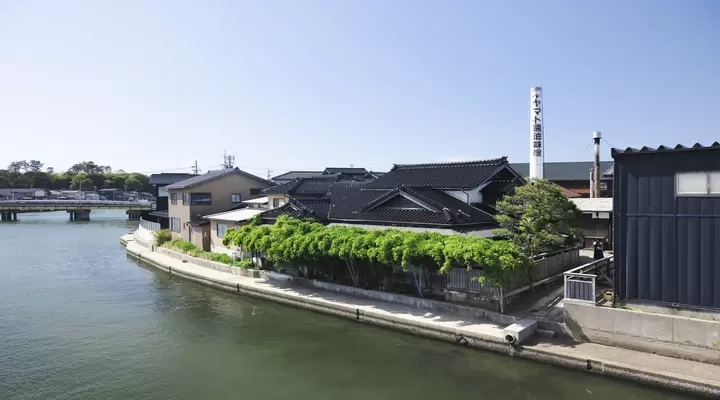
Yamato Koji Park is located in the historic Ohno district, a port area that has connected Kanazawa to the Sea of Japan coast since the Edo period. The park is operated by Yamato Soy Sauce & Miso, a local producer in business here since 1911.
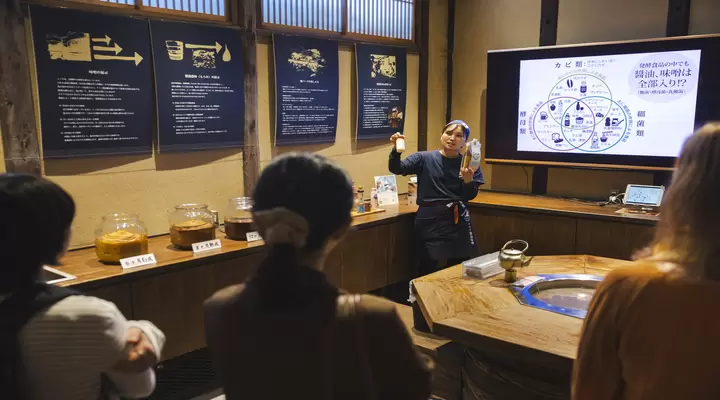
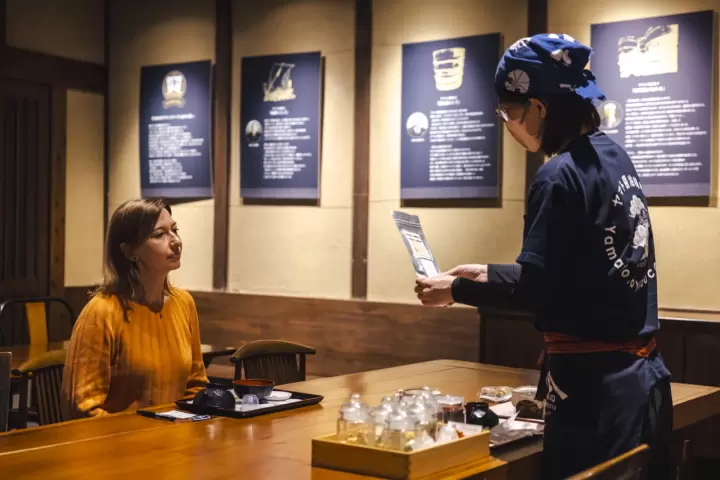
To make the most of your visit, join a free guided tour of the facility. Tours are held daily (except Wednesdays) at the following times: weekdays at 11:00 and 14:00, and weekends at 11:00, 13:00, and 14:00.
During these 30-minute tours, you will learn how koji—a fungus that thrives in Japan's humid climate—is the essential foundation of Japanese cuisine. Without it, staple ingredients like miso, soy sauce, and sake wouldn't exist.
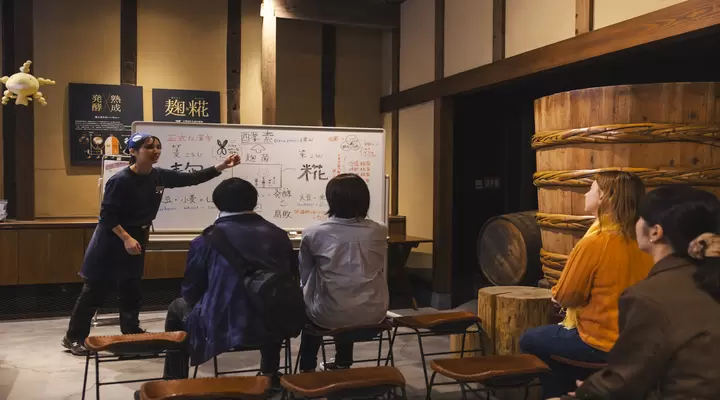
The koji fungus produces enzymes that break down proteins and starches into amino acids and sugars, generating the savory, umami-rich flavor of fermented foods like miso and soy sauce. Moreover, different types of koji yield distinct flavors: kome-koji (rice koji) is typically used for brewing miso and sake, while mugi-koji (barley koji) is essential for making traditional soy sauce.
During the tour, you will have the chance to sample and compare various products made by Yamato Soy Sauce & Miso. When we visited, we tried two types of genmai amazake—a sweet, non-alcoholic drink made by fermenting brown rice with koji. Naturally sweet and highly aromatic, this nutritious treat is definitely worth picking up at the shop after the tour.
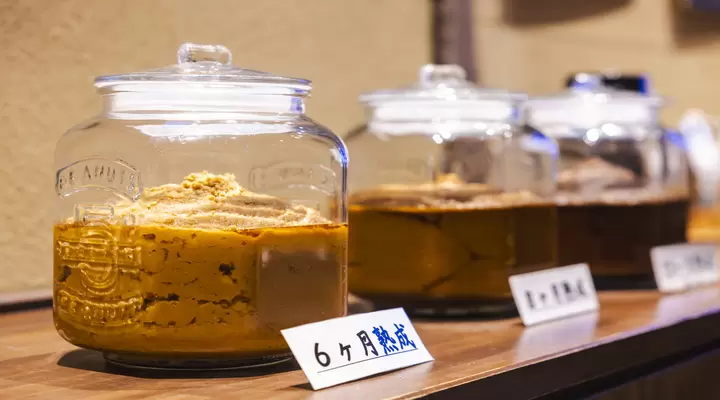
We also got to see miso aged for six months, eight months, and a full year. It was fascinating to notice how the smell and color of the miso changed over time! While some people prefer the lighter, younger miso, others favor the rich umami that comes with longer fermentation.
The tour is packed with insights into Japanese cuisine and its exceptional nutritional balance. Visitors are encouraged to ask questions, making it a great opportunity to learn how to incorporate miso and soy sauce into your own everyday cooking.
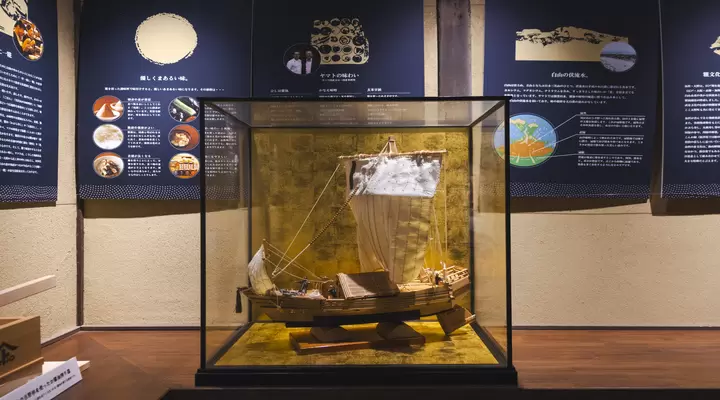
The tour concludes outside at the historic pier. This is where Kitamaebune cargo ships once docked during the Edo (1603-1868) and Meiji (1868-1912) periods, loading up on Kanazawa-made soy sauce and miso before setting sail for Hokkaido and other ports along the Sea of Japan. These vital trade routes established Kanazawa’s legacy as a thriving city of artisans and merchants, helping historic businesses like Yamato Soy Sauce & Miso flourish.
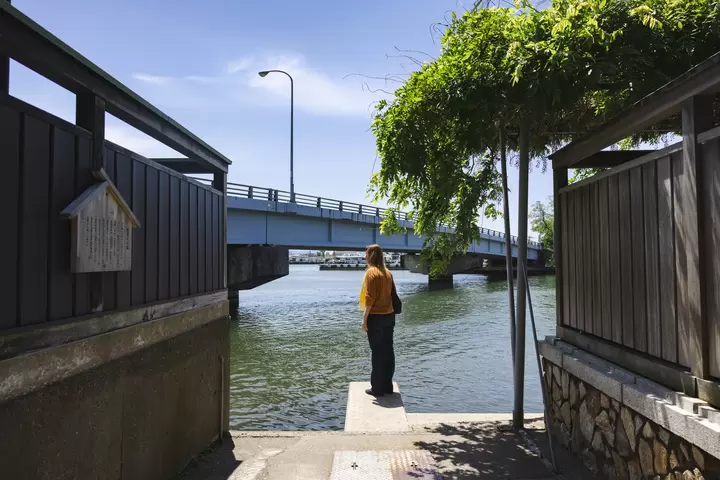
Standing on the old pier today, you truly realize you are stepping into living history—a place that continues to power Kanazawa’s rich culinary culture and economy.
Take the Flavors Home: The Miso Ball Making Workshop
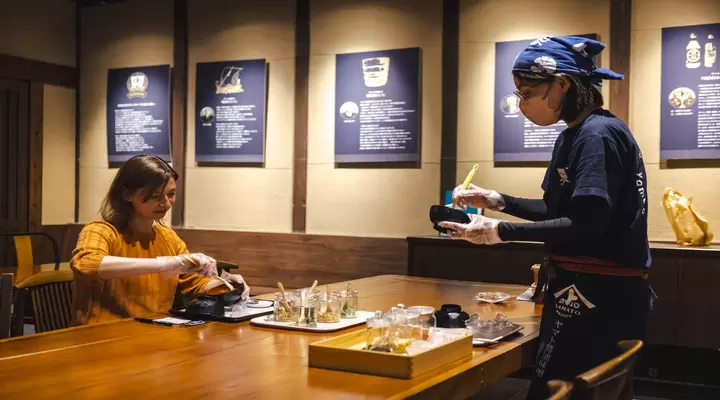
A great way to learn about miso and how to enjoy it at home is by joining the Miso Ball Making Workshop at Yamato Koji Park. This 20-minute, hands-on experience is also a fantastic activity to enjoy with children. (*The workshop is held on weekdays from 11:40 and on weekends from 11:40 and 14:30; fee: 1,320 yen; it can accommodate up to 6 persons; for groups of more than 3 persons, a reservation is required at least 3 days before your visit.)
Under the guidance of the staff, you’ll mix Yamato’s signature miso paste with powdered dashi (broth) to create a rich umami flavor base. Next, you will choose three of your favorite soup ingredients to mix in, before shaping the blend into three 15-gram miso balls.
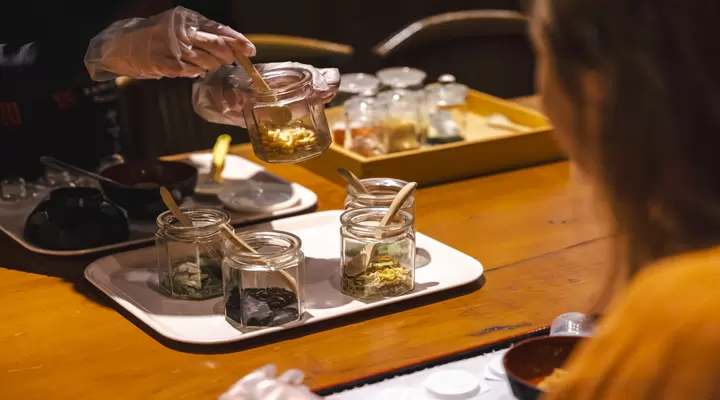
Finally, you'll decorate the balls with colorful toppings and pack them individually to take home. Back in your own kitchen, simply add 160 ml of hot water to a ball to instantly transform it into a delicious bowl of miso soup.
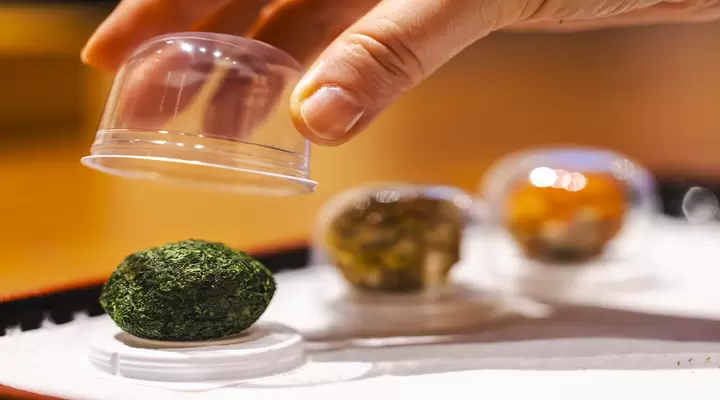
If you have tried miso soup before, you might notice that the paste made by Yamato Soy Sauce & Miso has a distinctive, natural sweetness. Their recipe—and the style common to the Kanazawa region—is a rice-based miso (kome-miso), made by fermenting soybeans and rice with salt and koji.
In contrast, the Nagoya area is famous for bean-based miso (mame-miso), such as the deeply savory Hatcho Miso. Made by fermenting soybeans with koji and salt alone, it features a much darker color and a more intense flavor profile. These regional preferences offer a fascinating glimpse into the diversity of miso and its essential role in Japanese cuisine.
Miso Ball Workshop Information
• Schedule: Weekdays at 11:40, weekends at 11:40 and 14:30 (*closed on Wednesday)
• Fee: 1,320 yen (Includes tax and a souvenir gift)
• Capacity: Capacity: Up to 6 people per session
• Reservations: Required for groups of 3 or more
• Contact: hishihogura@yamato-soysauce-miso.co.jp
Fermentation Tours Including Doburoku Tastings and Dining

Yamato Koji Park offers international visitors the Kanazawa Historic Brewery Tour, an immersive experience that includes Japanese fermentation insights, tastings, and lunch. Participants will also have the rare chance to sample doburoku, a traditional, unfiltered sake.
Yamato Soy Sauce & Miso began brewing doburoku in 2024, using their signature brown rice amazake as a base. Because it utilizes unpolished rice, the drink retains all its natural nutrients, giving this special doburoku a deeply fragrant aroma and an exceptional depth of flavor.
Originally a dedicated producer of soy sauce and miso, Yamato expanded into doburoku for one compelling reason: alongside miso and moromi (the fermented mash used to make soy sauce), doburoku is one of the rare foods that contains all three primary drivers of fermentation—koji mold, Lactic acid bacteria, and yeast.
Embracing this rustic sake was a natural next step for Yamato. After decades of strictly regulated, limited production across Japan, doburoku has recently stepped back into the culinary spotlight, celebrated once again for its complex flavor profile and high nutritional value.
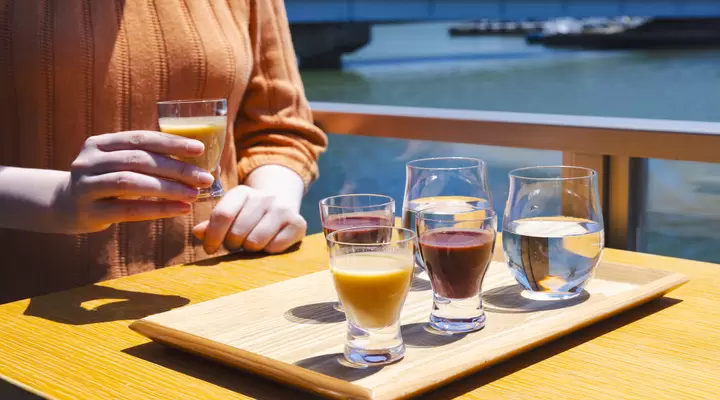
Tastings are held on the terrace of the Kanazawa Appare Yamato Doburoku Research Center, offering direct views of the river and Mount Hakusan—the very mountain that provides the pristine source water used for Yamato's brewing.
After kicking off the tasting with a sample of this local spring water, you get to compare two different varieties of doburoku.
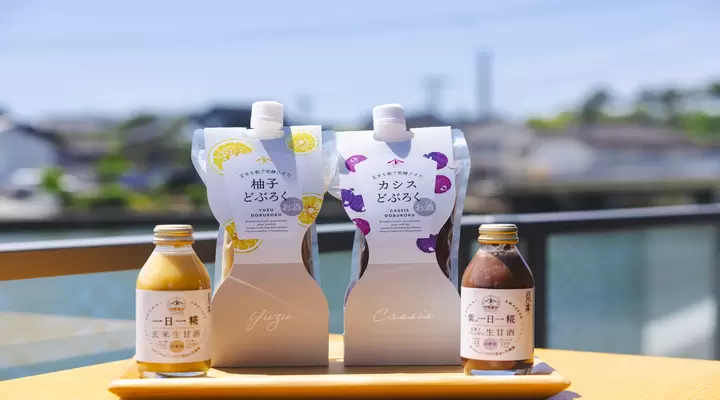
We tried the Yuzu Doburoku and the Cassis Doburoku. While the yuzu offers a refreshing citrus note, the cassis variety is deeply fruity, balanced by the earthy complexity of the brown rice base. Both are incredibly smooth, and you’ll notice a pleasant, comforting warmth from the inside out, which is due to the drink's nutrient-rich nature.
If you prefer a lighter drink, the doburoku also tastes fantastic mixed with carbonated water, which mellows the alcohol and makes it easier to drink.
For those looking to experience the world of traditional doburoku, these varieties are available for purchase at Hishiho Kura — why not give them a try?
Nourish Your Body: The Koji-Infused Lunch Experience at Hakkoshoku Bijin Shokudo
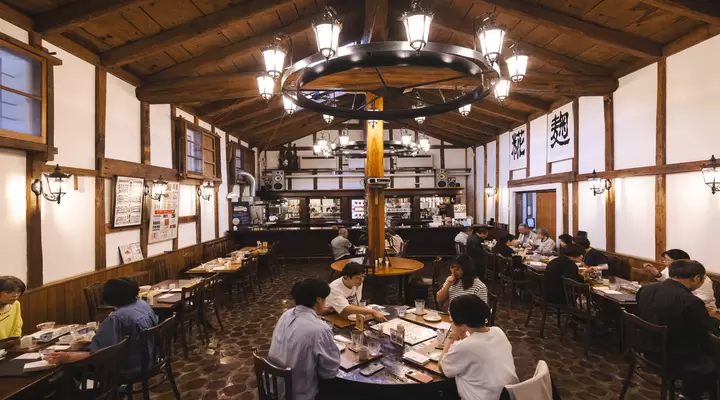
A visit to Yamato Koji Park would not be complete without a meal at their restaurant, Hakkoshoku Bijin Shokudo, which serves dishes featuring koji and other Yamato Soy Sauce & Miso products.
While the menu includes options like koji-infused curry and a simple set with brown rice onigiri (rice balls) and miso soup, our top recommendation is the Hakkoshoku Bijin Lunch. This beautifully balanced ensemble showcases the best of the site's fermented products.
The menu changes monthly to highlight peak seasonal ingredients, but two comforting staples remain constant: a rich miso soup made with Yamato’s signature Kanae miso, and aged brown rice.
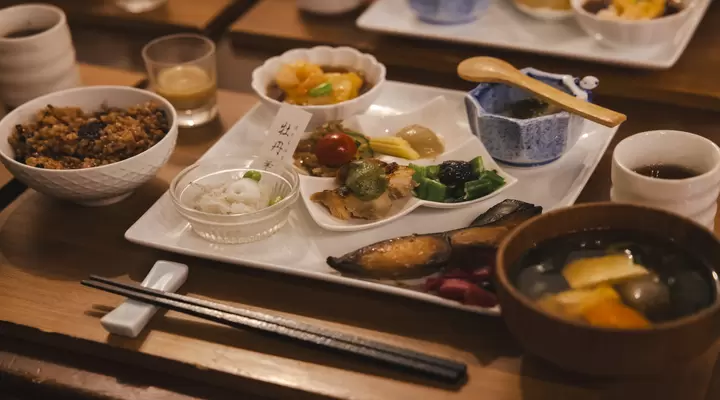
When we visited, our meal featured grilled fish and chicken, both beautifully marinated in koji. The koji gave the proteins a subtle sweetness and fragrant aroma while making their textures incredibly tender—grilled chicken and fish had truly never tasted better!
Another revelation was the aged brown rice. While standard brown rice is flavorful and easy to digest, the aged brown rice is even lighter and more gentle to the stomach. We also loved the refreshing salad and pickles, which were dressed in Yamato’s famous, citrusy Yuzu Ponzu sauce.
The Hakkoshoku Bijin Lunch is a true treat for the senses. With every bite, you can genuinely tell you are nourishing your body with wholesome, nutritious food.
After 14:30, the restaurant transitions into a cozy cafe, serving a variety of drinks alongside house-made cakes and sweet treats.
Please note that Hakkoshoku Bijin Shokudo operates on a membership system, meaning you will need to register before you can dine. Signing up is simple, and once you're a member, you can make reservations via the app. Plus, your first visit comes with a special gift—so be sure to register before you go!
Souvenirs and Sweets from Yamato Koji Park
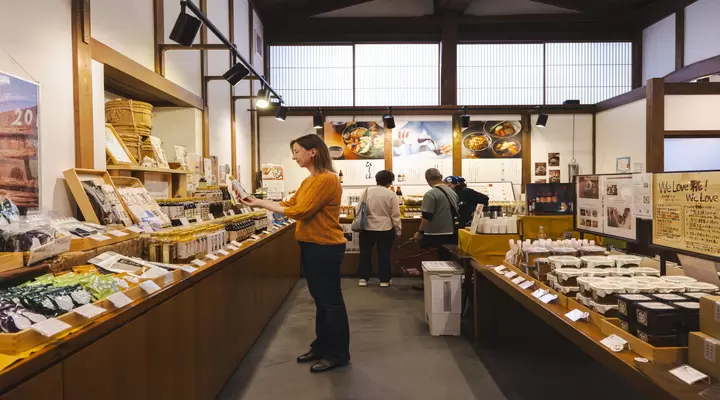
Before heading home, be sure to stop by Hishihogura—the on-site shop at Yamato Koji Park—to pick up souvenirs for friends and ingredients for your own kitchen.
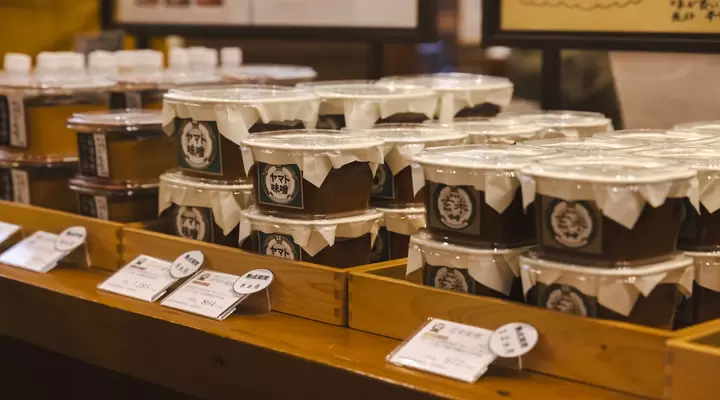
The selection is incredibly diverse, ranging from Yamato’s signature miso and soy sauces to specialty salad dressings, sweet treats, and wellness beverages.
If you are looking for healthy foods and snacks, we highly recommend their brown rice amazake, which serves as a natural energy drink. Another great find is the aged brown rice (Nekase Genmai); it is conveniently packaged in individual portions, making it effortless to store, heat, and enjoy at home.
For anyone curious about traditional Japanese spirits, the doburoku crafted by Yamato Soy Sauce & Miso is a must-try. Packed in lightweight, practical containers, it is easy to carry around during your travels. Just keep in mind that it requires constant refrigeration, so it might not be the best choice for a long transit day or an international flight.
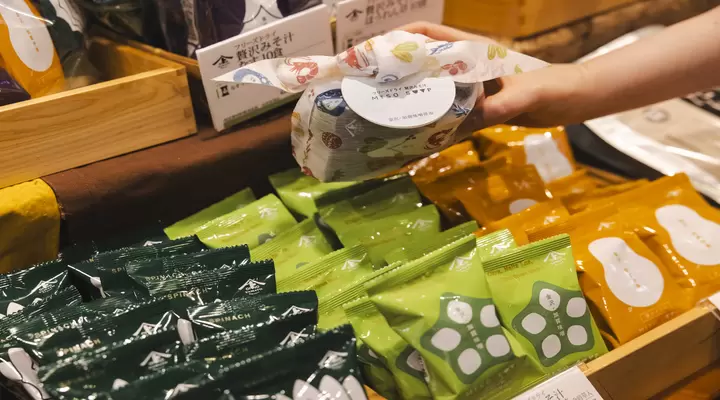
If you are looking for souvenirs to take back abroad, the freeze-dried miso soup packets are a great alternative. Available in flavors like spinach, eggplant, and nori seaweed, they are a wonderful way to share an authentic taste of Japan with loved ones back home. Colorful, lightweight, and with a long shelf life, these packets will easily fit into any suitcase.
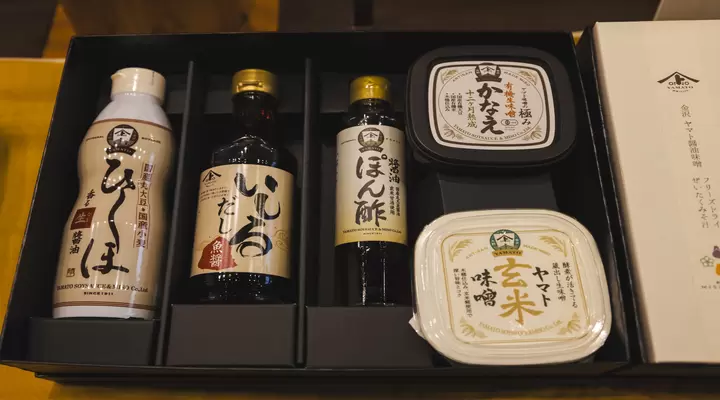
You can also pick up several of Yamato’s signature condiments, including their classic Yuzu Ponzu—which serves as a bright salad dressing and works wonders when drizzled over richer, grilled meats. Other unique shop favorites include the savory Sesame Dressing and the punchy Wasabi Soy Sauce.
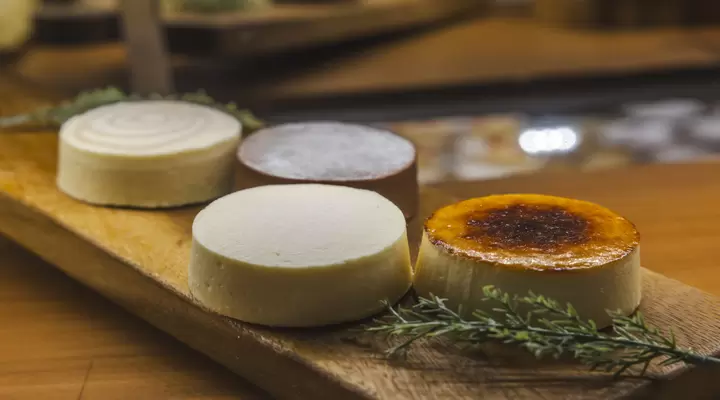
If you have a sweet tooth, be sure to browse the cheesecake lineup at the neighboring Kome to Hana shop. Also crafted with koji, these signature cheesecakes boast a rich flavor and a silky smoothness unlike anything you’ve tasted before.
Summary
Yamato Koji Park is a must-visit destination for anyone looking to understand the soul of Japanese cuisine. A trip here reveals the magic of koji—the essential fungus that transforms simple ingredients into complex, flavorful staples. It is a powerful ingredient well deserving of its own dedicated park.
Located in Kanazawa's historic Ohno port district, Yamato Koji Park is roughly a 30-minute drive from Kanazawa Station.
The contents on this page may partially contain automatic translation.