
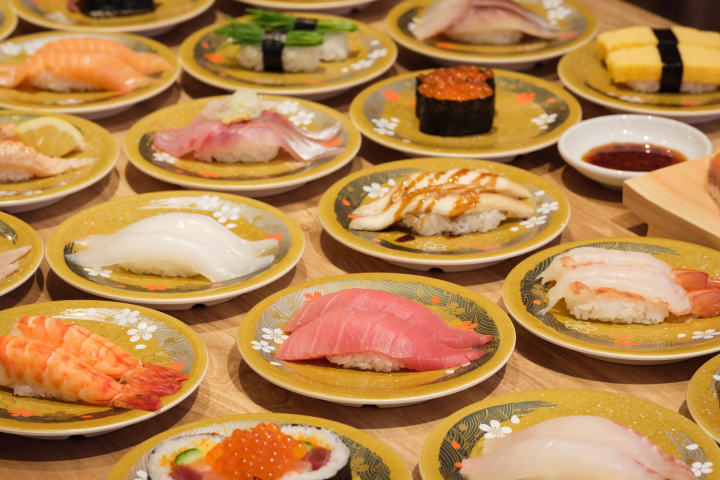
We introduce a three-day travel itinerary to fully enjoy HAKKO (fermented) cuisine, starting from Nagoya Station. From local dishes to French restaurants and museums where you can learn about food history, this is the perfect trip for gourmet lovers!
2026.01.28-
Table of Contents
- Do You Travel for Food? Head to Nagoya!
- Day 1: From Nagoya Station to Japan’s Best Gourmet Shopping District
- Day 2: The Secrets Behind Delicious Sushi and Hidden Restaurants
- Day 3: Eat Onigiri and Find Your Favorite Tokoname Ware
- Enjoy Food and Souvenirs in One Place at Nagoya Airport!
- Discover Nagoya’s HAKKO Culture
Do You Travel for Food? Head to Nagoya!
Many of the fermented seasonings that define the flavors of Japanese cuisine–miso paste, soy sauce, Japanese sake, vinegar, and mirin–have been cultivated here in the Chubu region. Nagoya is a city where a unique fermented food culture, centered around hatcho miso and tamari soy sauce, continues to be deeply rooted in their everyday meals. In this article, we present a 3-day 2-night travel itinerary for food enthusiasts, taking you from Nagoya City to the Chita Peninsula.
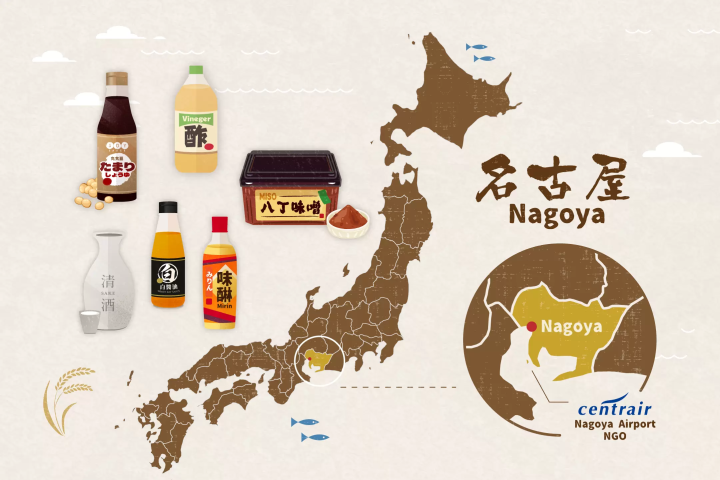
Visitors from abroad can rest assured, as the entire journey is possible by public transportation and on foot. Experience Nagoya’s food culture in depth together with delicious dishes, with a special focus on the fermented food culture that thrives in and around Nagoya.
Day 1: From Nagoya Station to Japan’s Best Gourmet Shopping District
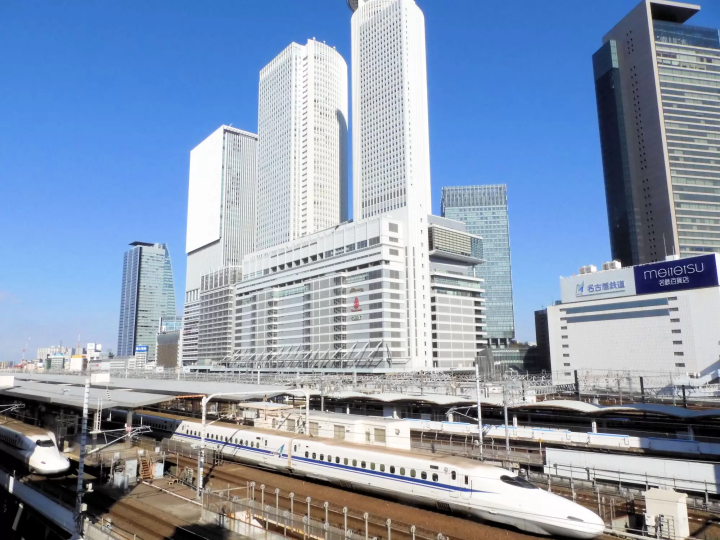
Your journey will begin at Nagoya Station. With convenient access via Shinkansen (bullet train) and the Chubu Centrair International Airport, this station serves as the gateway to the Chubu region, attracting many domestic and international visitors. While the area is lined with high-rise buildings, walk a little further out and you’ll encounter the city’s charm: its distinct Nagoya food culture.

Try Nagoya’s Local Dish Miso Nikomi Udon for Lunch
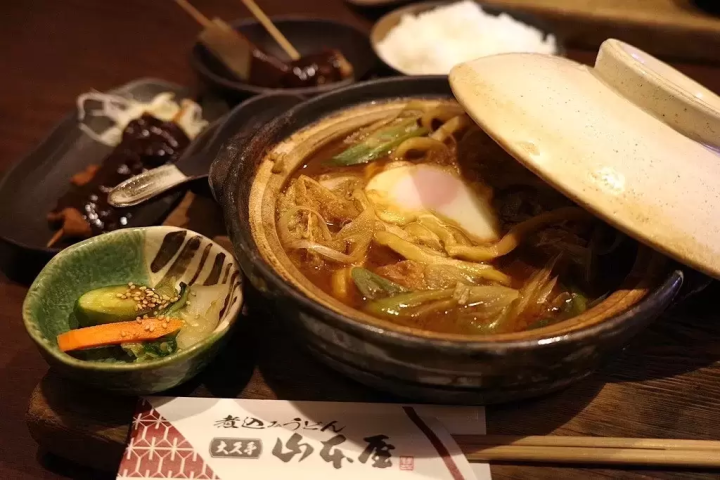
Miso nikomi udon, made with hatcho miso, is a dish you can’t leave out when discussing Nagoya’s HAKKO (fermented) food culture. At the long-established Okute Yamamotoya, you can taste the rich body and savoriness of soybean miso, fermented in a wooden barrel, in a single bowl simmered until bubbling in a clay pot.
The combination of firm udon noodles, which retain their wheat flavor, and miso paste, rich yet providing a clean aftertaste, is outstanding. It’s the perfect dish to start off your gourmet food journey. To get there, take the Nagoya Municipal Subway Sakura-dori Line from Nagoya Station to Fukiage Station, then walk three minutes from Exit 1. The restaurant has several locations in Nagoya, so you can head to your nearest location if you’d like to drop off your luggage at your hotel first.

Osu Shopping District: Stop by Japan’s Most Vibrant Shopping Street!
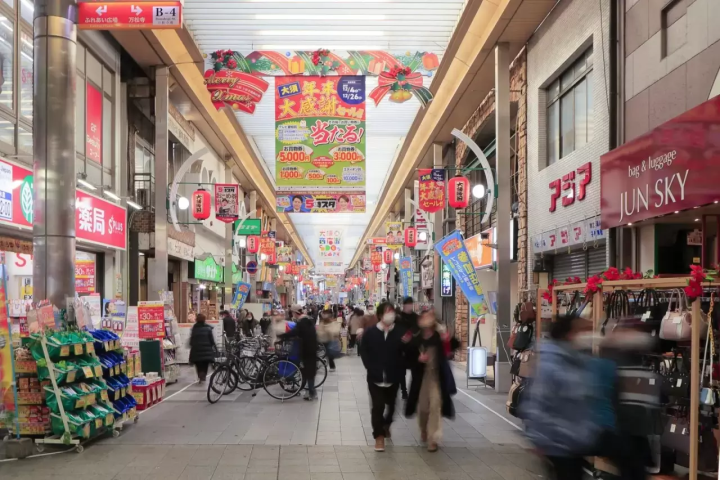
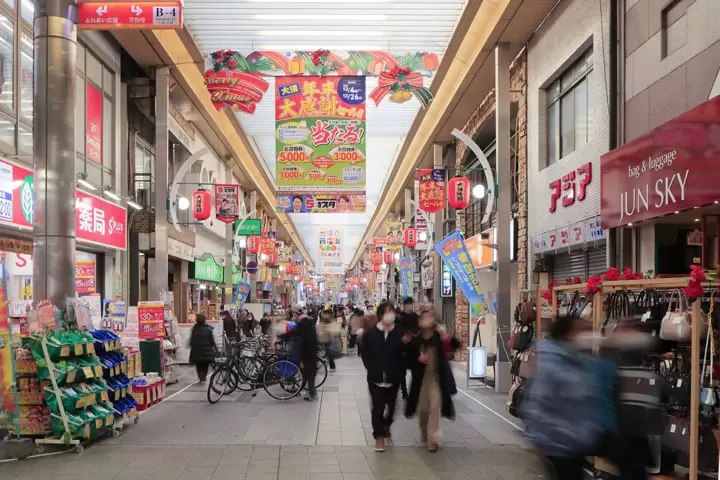
After lunch, head over to Osu Shopping District, one of Nagoya’s iconic sightseeing spots. This shopping street, approximately two-kilometers long and home to over 1,200 shops, is nicknamed “Japan’s most vibrant shopping street.”
From long-established wagashi (traditional Japanese sweets) shops to specialty stores selling fermented seasonings and the latest street food, Osu’s true charm lies in its chaotic mix of old and new. You can enjoy this area in many ways, such as walking while snacking on desserts or deli items, or stopping by a café along the way. To get there, take the Nagoya Municipal Subway Tsurumai Line from Nagoya Station to Osu Kannon Station or the Meijo Line to Kamimaezu Station. You will need to transfer once, but the travel time is about 20 minutes.
Dinner at French Kappo Sasa with Small, Carefully Crafted Dishes
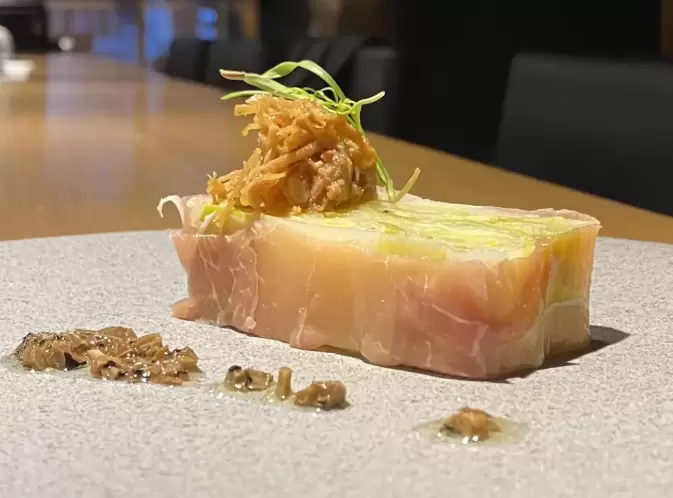
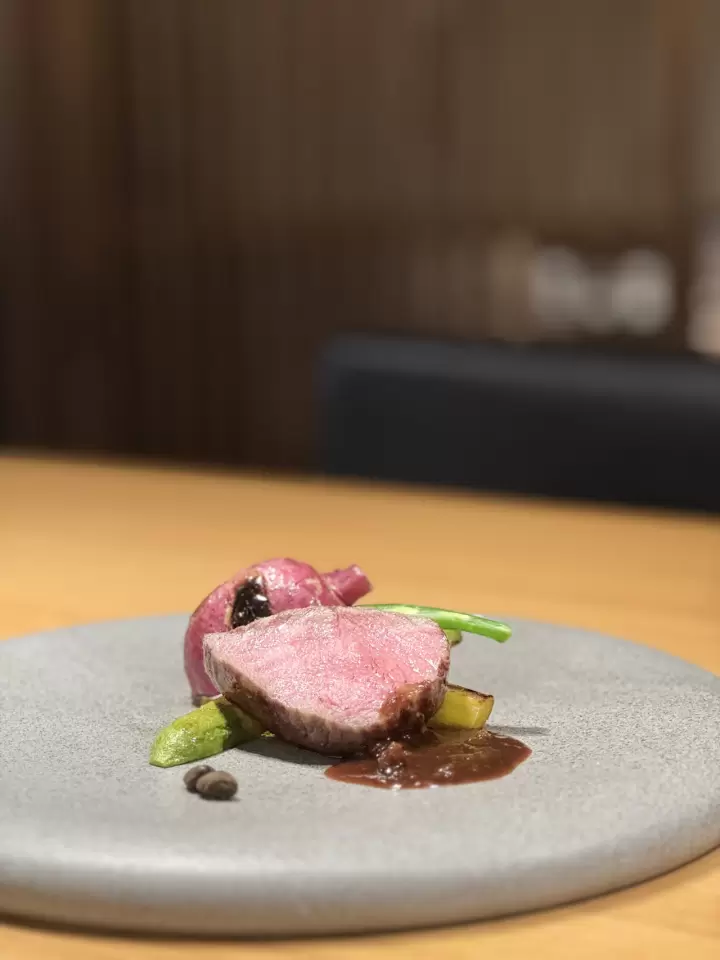
From Osu Shopping District, take the train and walk for about 30 minutes. Alight at Imaike Station on the Nagoya Municipal Subway Higashiyama Line, then walk five minutes to find French Kappo Sasa, a restaurant gaining support from food connoisseurs in Nagoya. The restaurant serves a multi-course meal of small, carefully crafted dishes highlighting ingredients and seasonings from the three Tokai prefectures (Aichi, Gifu, and Mie). This creative cuisine, skillfully incorporating fermented seasonings and Japanese influences while based on French cooking techniques, is something you can only experience here.
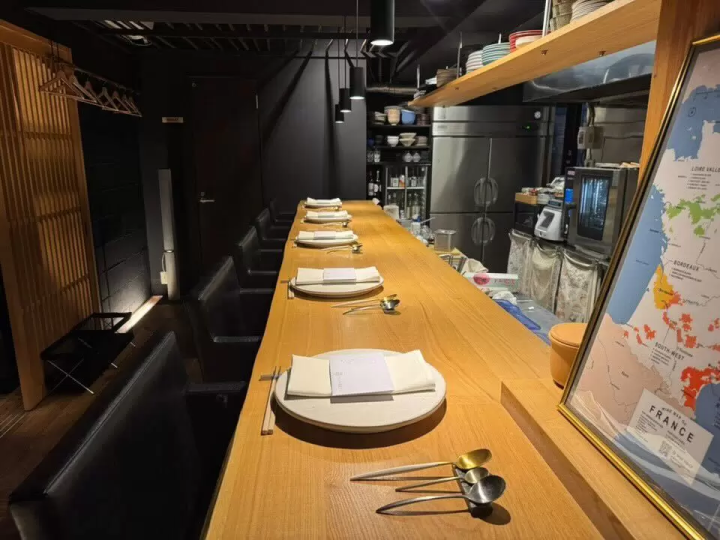
Fermented seasonings, such as miso and koji, are seamlessly incorporated into the dishes, which pair incredibly with champagne and wine. This is where you can experience the “now” in Nagoya’s gastronomic scene firsthand. Reservations are also accepted via Table Check.
Day 2: The Secrets Behind Delicious Sushi and Hidden Restaurants
Start Your Breakfast with Delicious Breads and Pastries
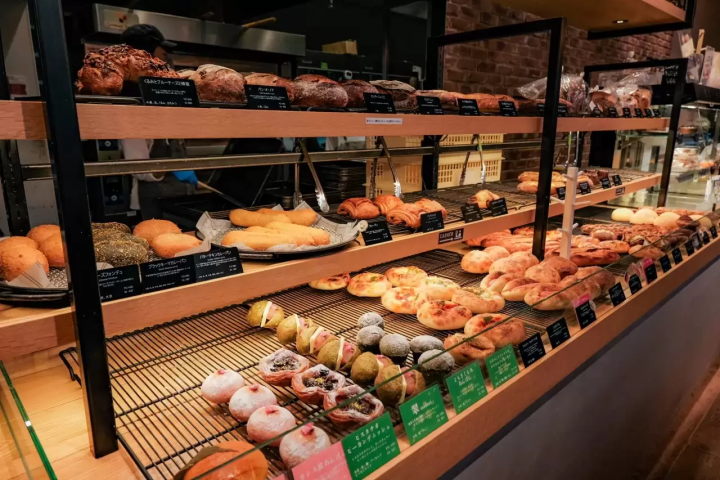
On the morning of the second day, head to ESPRIT, a popular bakery in Nagoya. Their breads, made from dough fermented for an extended period, have a natural sweetness and toasty aroma from the wheat, resulting in a flavor that’s complex, yet simple.
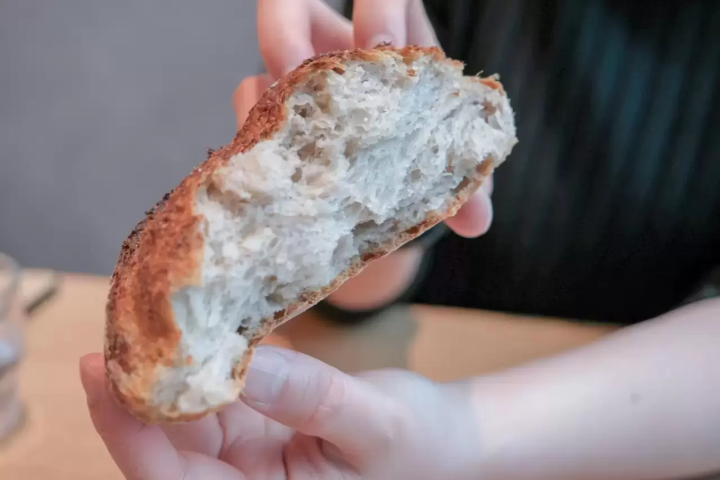
HAKKO isn’t limited to Japanese cuisine. With this breakfast, you’ll experience HAKKO as the foundation of deliciousness through bread. To get to the bakery, take the Nagoya Municipal Subway Sakura-dori Line from Nagoya Station for about five minutes to Hisaya-Odori Station, then walk for three minutes.
Try Red Vinegar Sushi for Lunch at Uotaro Handa
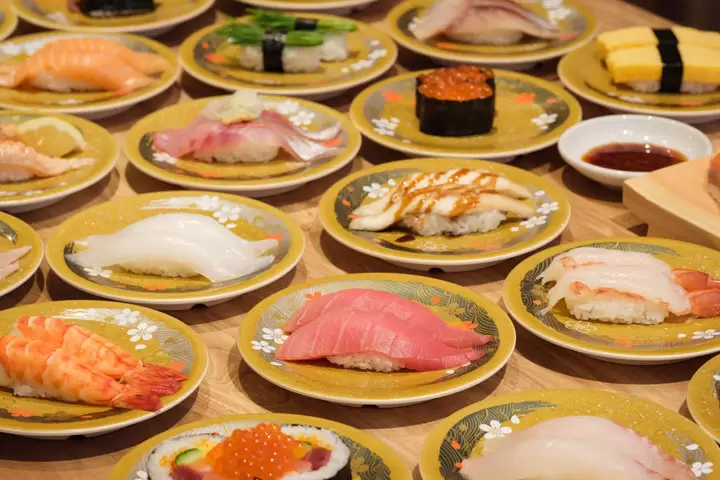
After breakfast, return to Meitetsu Nagoya Station and take the Meitetsu Limited Express to Chita Handa Station for about 50 minutes to the Chita Peninsula. For lunch, head to Uotaro Handa, located about a 15-minute walk from Chita Handa Station. Their sushi, made with rice seasoned with akazu (red vinegar), is a must-eat.
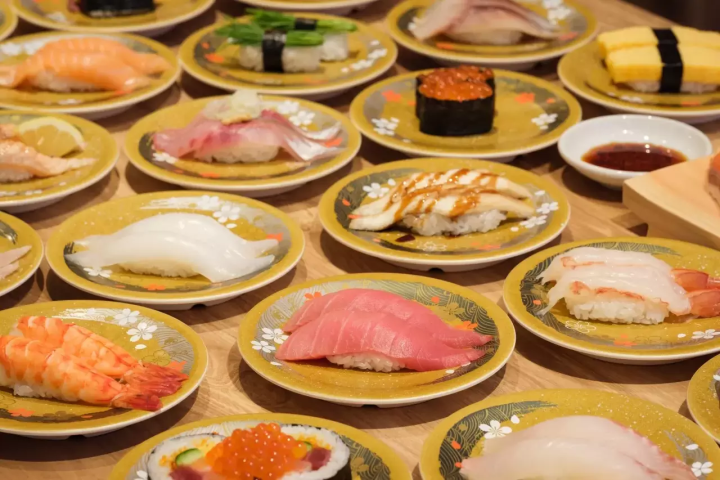
Akazu is a fermented seasoning made from sake lees and is essential to making Edomae-style sushi. It enhances the umami of the fish, leaving a smooth aftertaste.
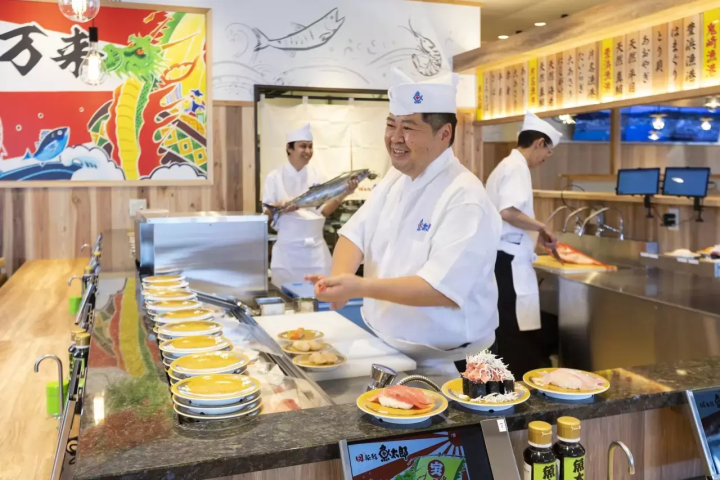
The perfection of the sushi, made with fresh seafood caught in the Chita Peninsula and the power of fermentation, makes it a must-try. It’s an experience that allows you to truly understand the reason sushi is so delicious.
Mizkan Museum: Learn and Experience the History of Vinegar
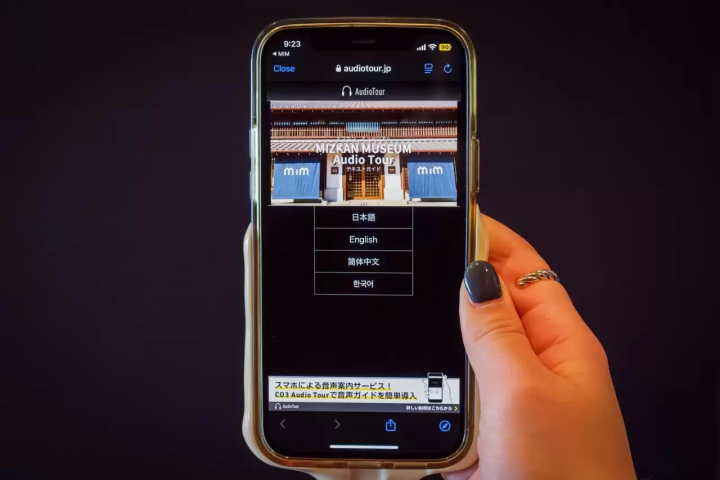
Vinegar is an essential ingredient to making delicious sushi. After enjoying red vinegar sushi at Uotaro, take a short walk to Mizkan Museum and have fun learning about the history of vinegar-making and fermented food culture.
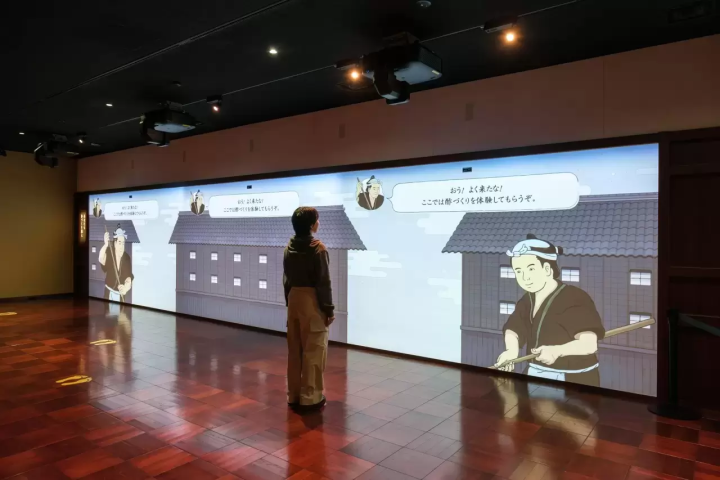
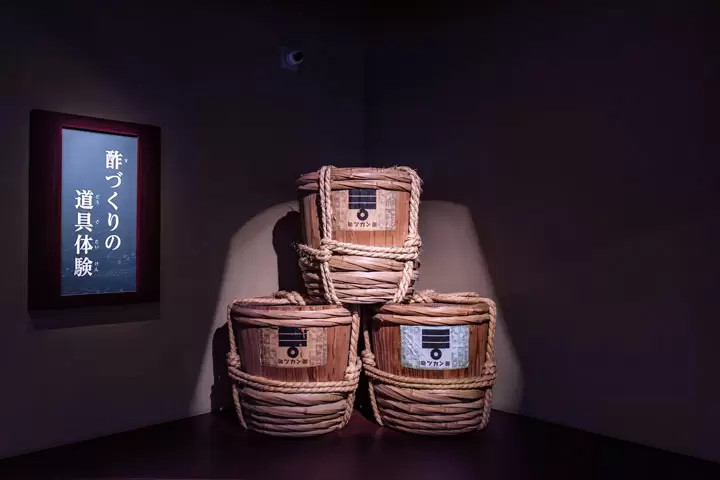
Handa is the birthplace of Mizkan, a vinegar manufacturer popular even overseas, and is home to exhibits and interactive experiences showcasing the vinegar brewing process and innovations passed down since the Edo period. At the museum shop, you’ll find limited-edition vinegars and original merchandise exclusively sold here that are popular as souvenirs. Reservations are required for tours. Due to the museum’s popularity, be sure to book early.
Enjoy a French Omakase Dinner at Le Coeuryuzu
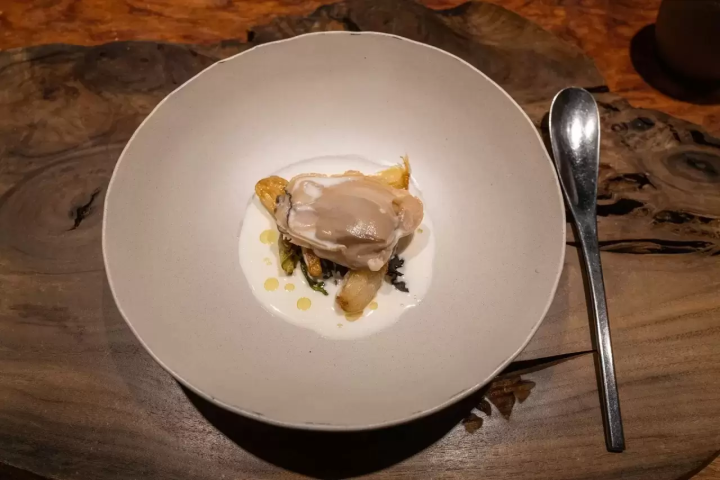
In the evening, make your way to Le Coeuryuzu, a house-style restaurant surrounded by nature on the Chita Peninsula. It takes about an hour by train and bus from Mizkan Museum, with the final stop being Kumano Bus Stop. There are a limited number of trains and buses, so make sure to check your route beforehand.
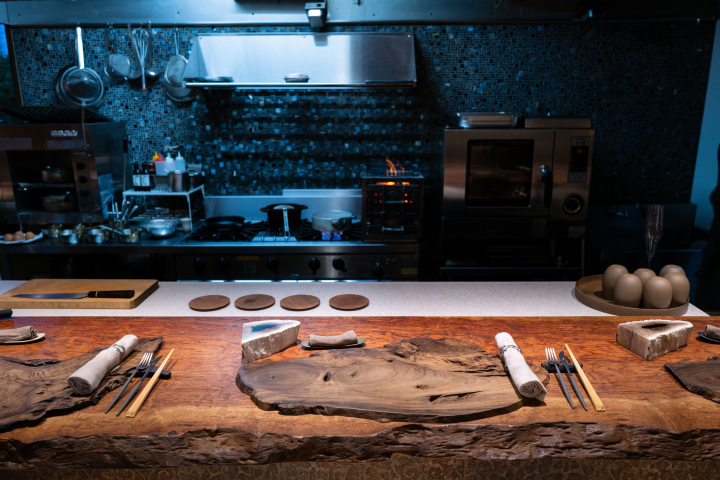
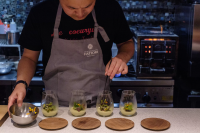
The omakase course meal, centered on local ingredients and prepared with fermented seasonings and aged sauces, leaves a quiet, deep aftertaste. Rather than being flashy, the dishes evoke a sense of “land and time,” and are the work of a chef who has genuinely engaged with HAKKO culture.
It’s a memorable dinner fitting to conclude the second day of your trip. Reservations are accepted via Table Check.
Day 3: Eat Onigiri and Find Your Favorite Tokoname Ware
On the final day of your trip, we recommend walking around Tokoname. Several hotels are located near Tokoname Station, so after dinner at Le Coeuryuzu, stay overnight in Tokoname and make the most of your last day.
To CHOUWA OMUSUBI for Exquisite Onigiri
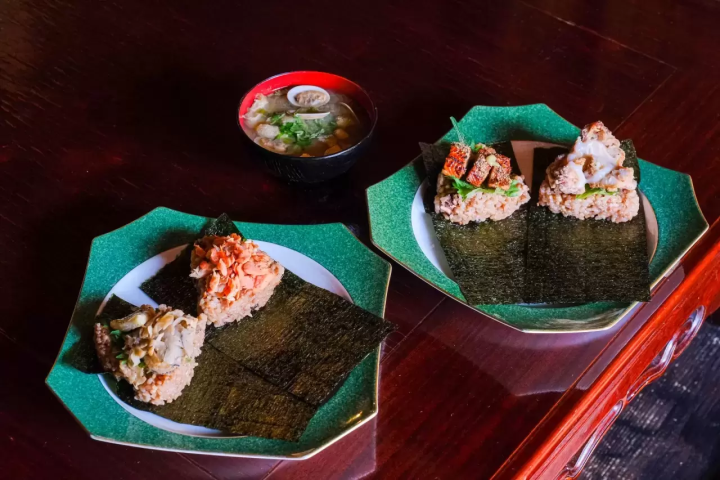
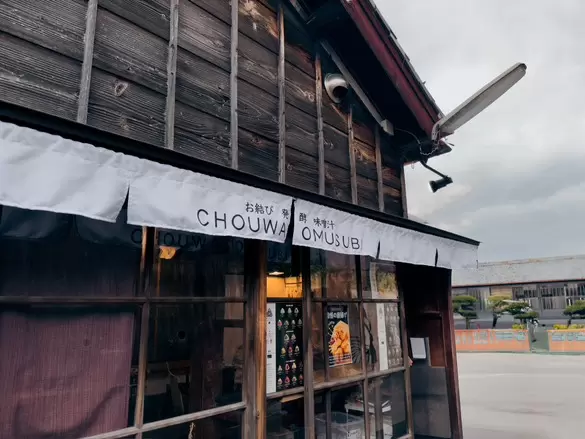
CHOUWA OMUSUBI is a great place to stop by for a late breakfast or brunch, just a seven-minute walk from Tokoname Station. Onigiri (rice balls) are well-known as Japan’s soul food and the onigiri served here sets itself apart.
The ingredients are flavored with fermented seasonings and paired with fluffy, well-cooked rice. Its simplicity is what allows the ingredients and fermentation to shine through. Takeout is also available, so you can buy some to eat on your train or flight home.
Take a Picture with Tokonyan and Find Your Favorite Tokoname Ware
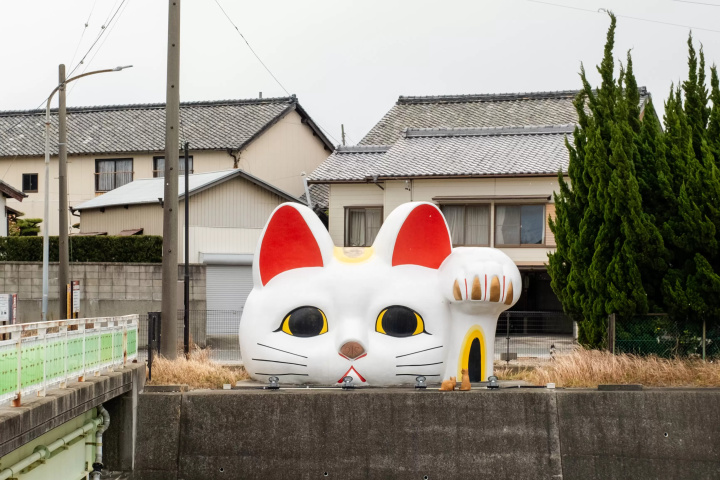
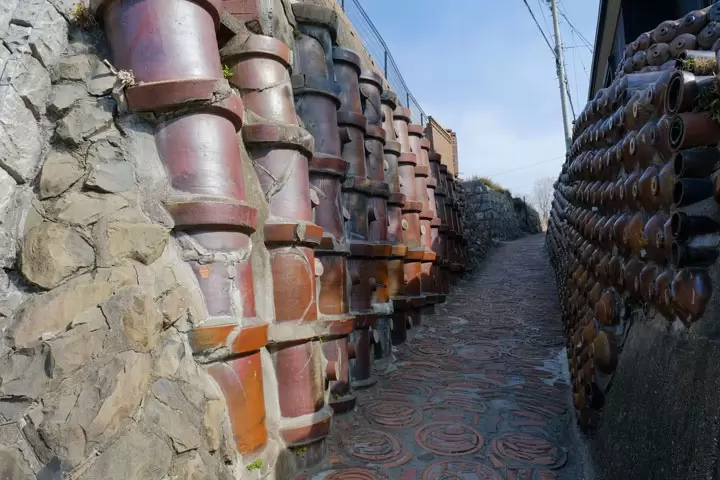
Tokoname is the birthplace of Tokoname ware, one of Japan’s Six Ancient Kilns. Take a walk through the city and you’ll encounter the giant beckoning cat statue known as Tokonyan.
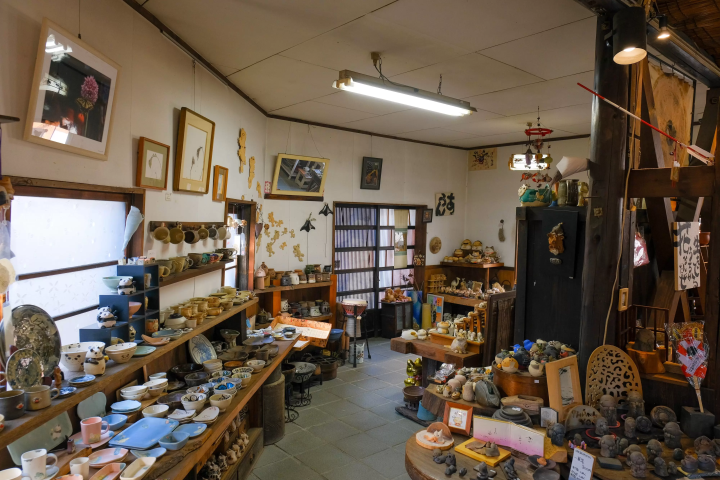
Tableware, used to enhance the presentation of food, is an essential part of the Japanese cuisine experienced on this trip. Finding your favorite Tokoname ware along the Pottery Footpath, just a stone’s throw from Tokoname Station, is the perfect way to conclude your trip.
Enjoy Food and Souvenirs in One Place at Nagoya Airport!
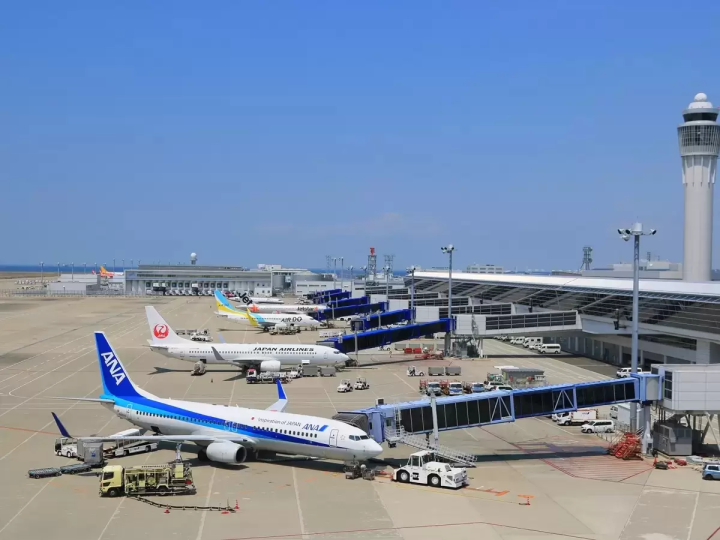
Central Japan International Airport, Nagoya (Centrair, NGO), about five minutes from Tokoname Station on the Meitetsu Airport Line, is the gateway to Nagoya. The airport services flights to destinations across Japan as well as many international flights, primarily to and from cities in Asia.
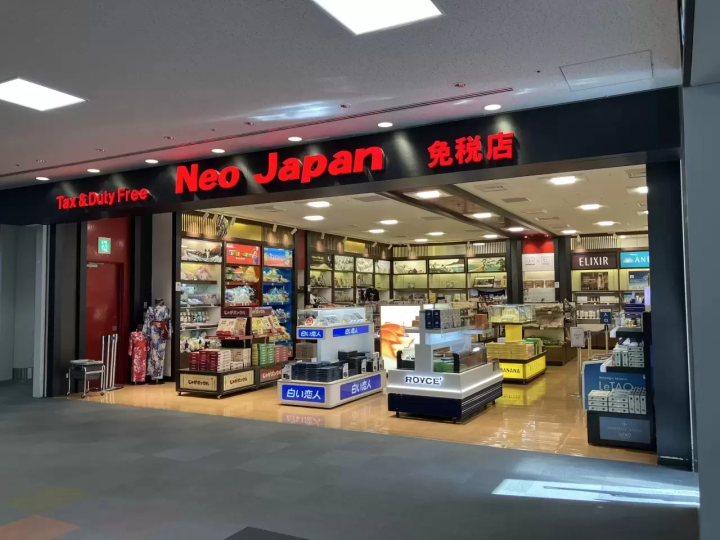
The airport is lined with souvenir and duty-free shops where you can purchase miso, soy sauce, Japanese sake, and other fermented foods. In the airport’s dining area, you can enjoy many of Nagoya’s signature local specialties including miso nikomi udon, hitsumabushi (grilled eel over rice), and misokatsu (pork cutlet with miso sauce). Even if you end up buying more souvenirs than expected, traveling by air makes carrying them easy.
Discover Nagoya’s HAKKO Culture
On our 3-day 2-night itinerary, we introduced spots for those who travel for food. We especially recommend this itinerary to anyone interested in fermented gourmet foods or who wants to gain a deeper understanding of Japanese food culture.
Make sure to savor HAKKO, Nagoya’s fermented food culture, to the fullest on your next trip to Japan!
The contents on this page may partially contain automatic translation.