
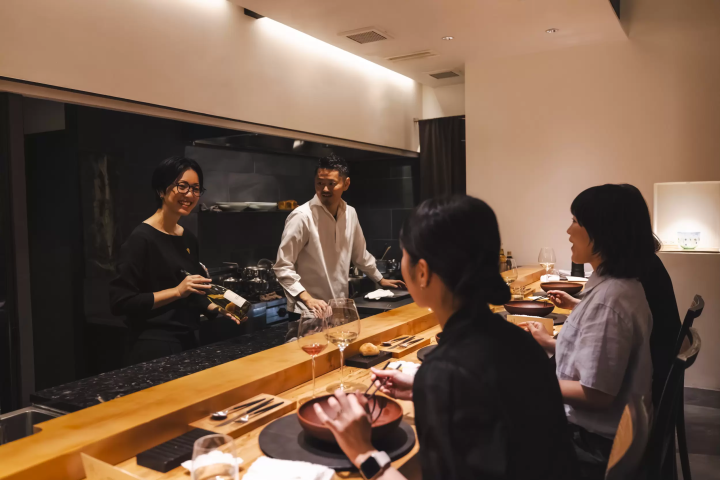
MEI, a restaurant in Nagoya’s historic Shikemichi district, offers Italian course menus featuring Central Japan ingredients paired with exceptional local wines.
2026.08.13A Special Dining Experience in Nagoya
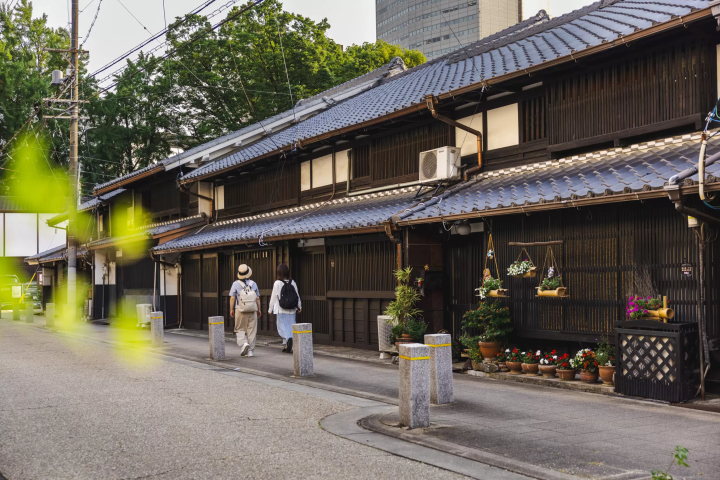
At the far end of the Endoji Shotengai Shopping Street—just a short distance from Nagoya Station—lies Shikemichi, one of the city's most elegant and scenic districts. Once a bustling waterfront hub, it historically connected Nagoya’s center with sea routes departing from Mikawa Bay.
Today, the historic storehouses where goods from across Japan were once traded have been beautifully repurposed into restaurants, cafes, and galleries that honor the area's heritage.
One such establishment is MEI, a restaurant that embodies Shikemichi’s legacy as a gathering place for high-quality goods. Celebrating the rich bounty of the Chubu region—including Aichi, Gifu, Nagano, and Mie—MEI crafts a culinary journey that transforms local flavors into art.
MEI: Flavors of the Sea, Farms, and Forest, Masterfully Paired with Wines
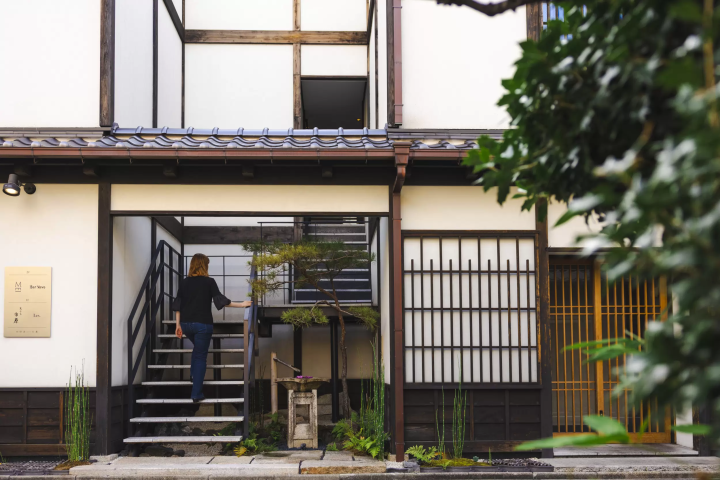
MEI serves Italian cuisine crafted from local ingredients, featuring fresh seafood from the Mikawa and Ise Bays alongside wild game and mountain vegetables from Gifu and Nagano's Kiso area.
The restaurant is run by the husband-and-wife team of Chef Kuninobu Takahata and Sommelier Kahori Takahata.
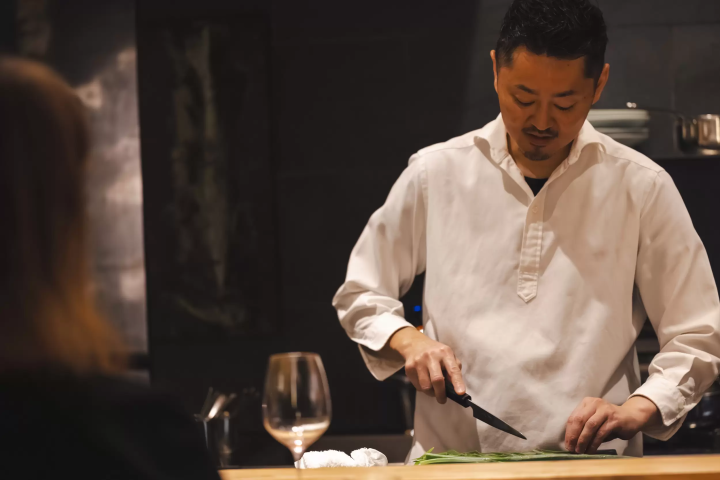
Originally from Chiba, Chef Takahata began his career at a domestic Italian restaurant before traveling to Italy to hone his skills. Upon returning, he worked in restaurants in Tokyo, Yokohama, and Nagoya before launching his own business in 2009.
The inspiration behind his cooking style struck during a year he spent working at Nagoya’s wholesale seafood market. Fascinated by the local techniques for preparing fresh fish to maximize its flavor, he was inspired to combine these central Japanese ingredients with classic Italian cooking.
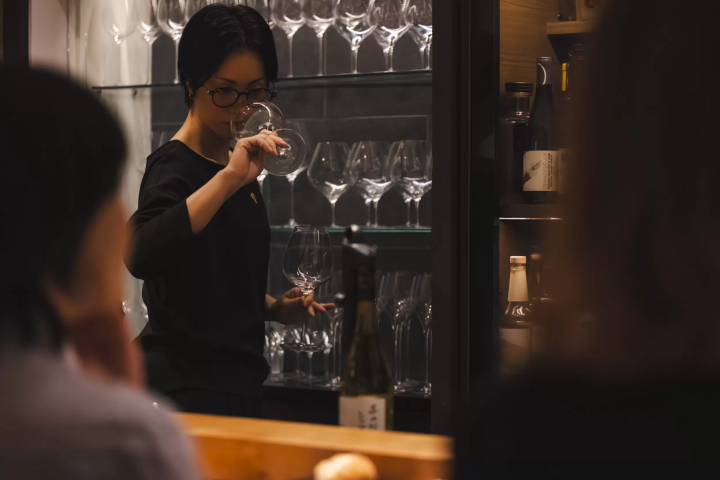
Sommelier Kahori Takahata also boasts culinary training, but shifted her focus to the art of wine pairing after earning her sommelier license in 2018.
MEI opened in 2021 in Nagoya’s Shikemichi district. A core pillar of the restaurant’s identity is the couple's shared passion for sourcing wild ingredients together. Throughout the seasons, they venture into the mountains to gather wild herbs in the spring and mushrooms in the summer and autumn. Chef Takahata is a licensed hunter, personally tracking and catching wild game like pheasant and duck.
While MEI relies on trusted wholesalers for coastal seafood and partner farms for fresh produce, many of the restaurant's defining flavors come directly from what the Takahatas forage and hunt themselves in the forests of Gifu and Nagano. The time the couple spends together in the mountains directly shapes MEI’s menu, infusing it with a distinct character.
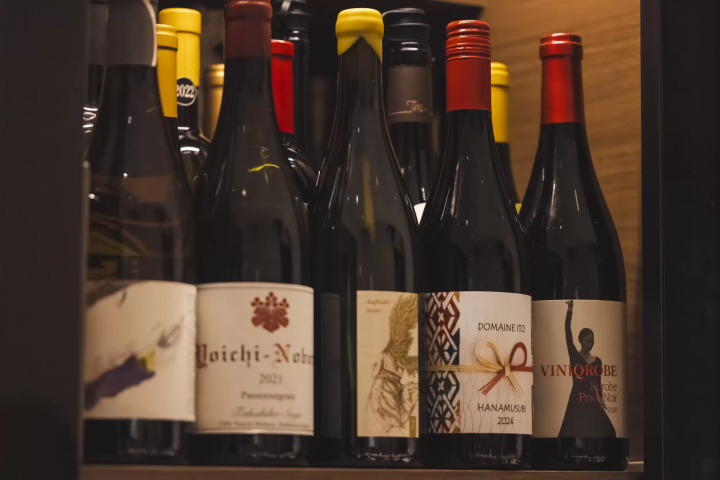
Complemented by a sophisticated selection of local wines from Nagano and Aichi, alongside curated selections from Burgundy and Italy, the cuisine at MEI transforms into a unique dining experience.
Dining at MEI: A Culinary Journey Across Central Japan
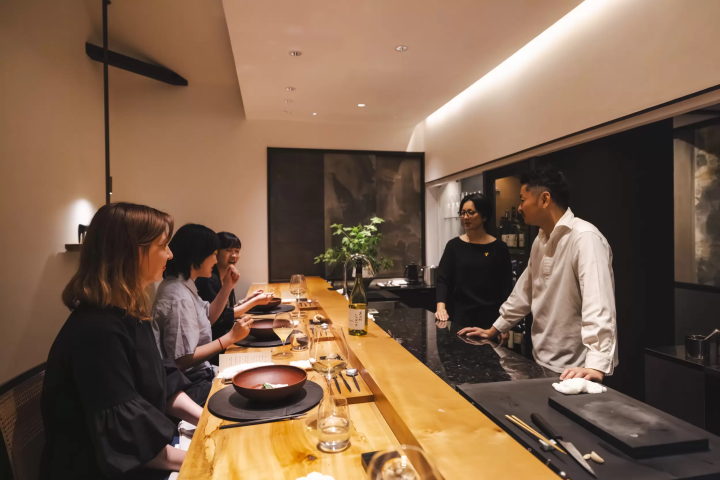
MEI is open exclusively for dinner. To ensure a seamless experience, guests are welcomed starting at 18:20, with the course beginning promptly at 18:30. Because each dish is meticulously paced and prepared right in front of you, reservations are required, and guests are kindly asked to arrive on time.
The restaurant features an intimate layout with just six counter seats, offering a front-row view of the chef’s work. Styled with warm wooden decor, the space creates a cozy, inviting ambiance perfect for unwinding.
When ordering drinks, it is best to defer to Sommelier Kahori Takahata. Because the menu shifts daily based on the micro-seasons, the ideal wine pairings evolve constantly to mirror what is on the plate.
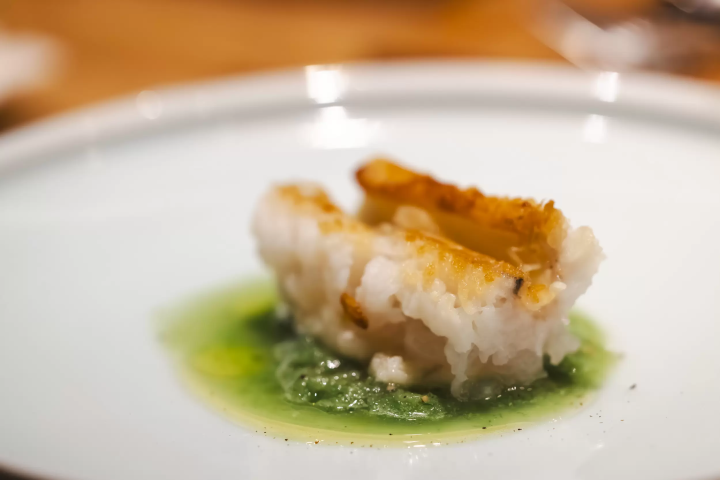
During our visit, the course opened with an exquisite conger eel dish served over a bed of grated cucumber, seasoned with just a drop of persimmon vinegar to add a gentle tartness and deep umami.
This refreshing starter was paired with a herbaceous Sauvignon Blanc from Azucca e Azucco Kaze no Oka Winery in Toyota. Carrying the fragrant notes of mountainside herbs, the wine beautifully elevated the coastal flavors of the eel. This harmony of land and sea set the tone for our entire evening at MEI—a dining experience defined by constant discovery.
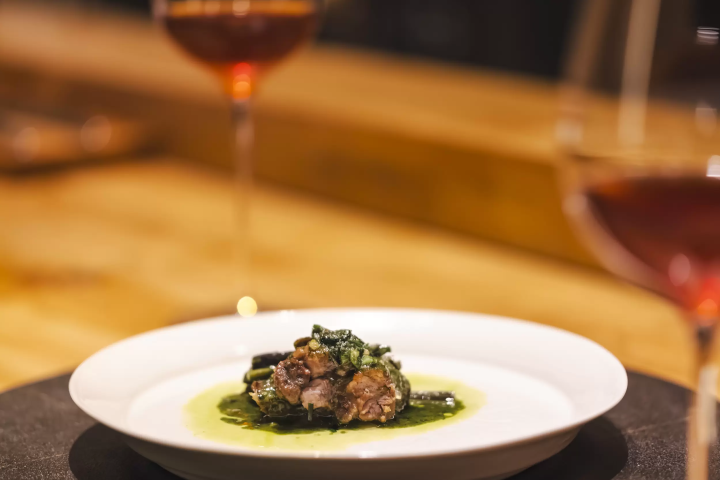
The theme of land and sea continued with the subsequent courses. First came grilled Iwagaki oysters and eggplant, draped in a rich sauce made from wood ear mushrooms the Takahatas had foraged themselves. This was followed by a rich turtle dish, served alongside sautéed bracken root and basil sauce. The latter was paired with a crisp, light rosé from Azumino, which cut through the richness with a beautiful burst of freshness.
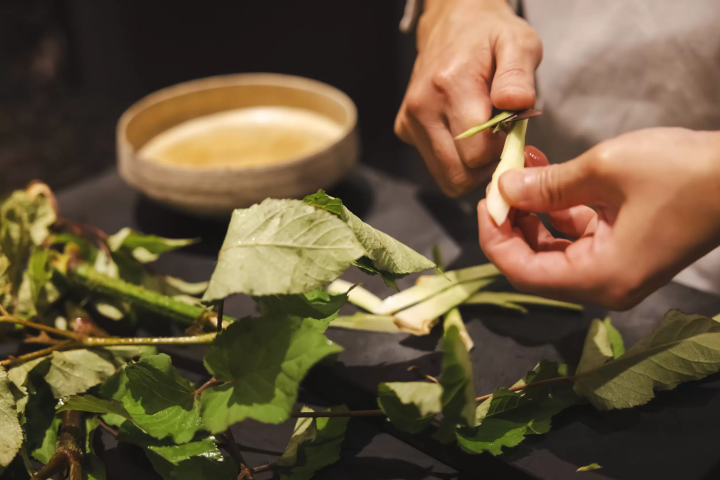
Next came a risotto featuring Japanese mountain asparagus, which the couple had foraged from the forests of Hida. It was fascinating to watch the chef bring the fresh branches into the kitchen, skillfully trimming away the edible stems and leaves to integrate into the dish.
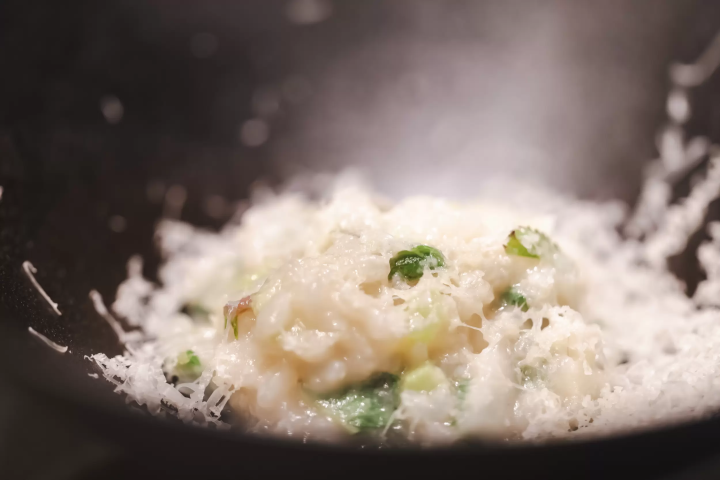
Cooked in a rich clam broth, the rice boasted a deep, savory depth that paired perfectly with a creamy cheese from Matsumoto.
Though mountain asparagus is a widely loved early-spring delicacy in Japan, it was entirely new to us, imparting a wonderfully fresh, earthy aroma to the risotto. Enjoying this course, it became clear that harmonizing the flavors of the sea and the forest is a true art form.
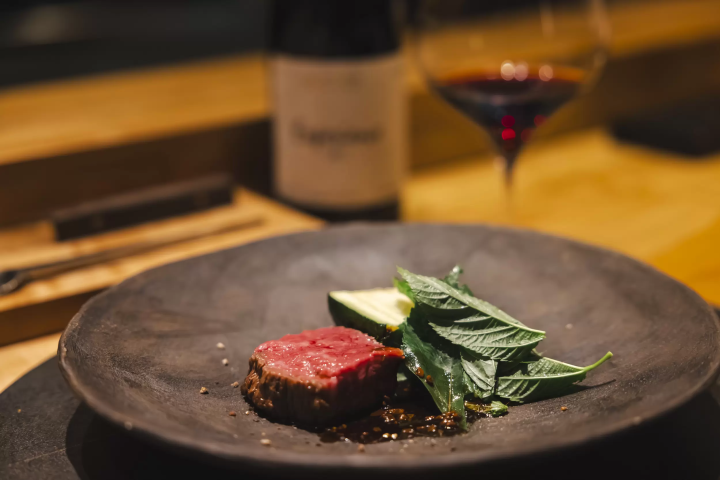
The main dish served toward the end of the course was also truly memorable. We were given a choice between premium Hokkaido Jersey beef and Yezo sika (Ezo venison). Masterfully grilled, the tender meat was paired with "Experience," an elegant, deep red wine from the Higashiyama Vineyard in Nagano. Its deep, elegant flavor left a lingering finish perfectly suited to bring the course to a close.
By the end of the course, we felt as though we had journeyed across the heart of central Japan, discovering rare ingredients and unexpected flavors along the way.
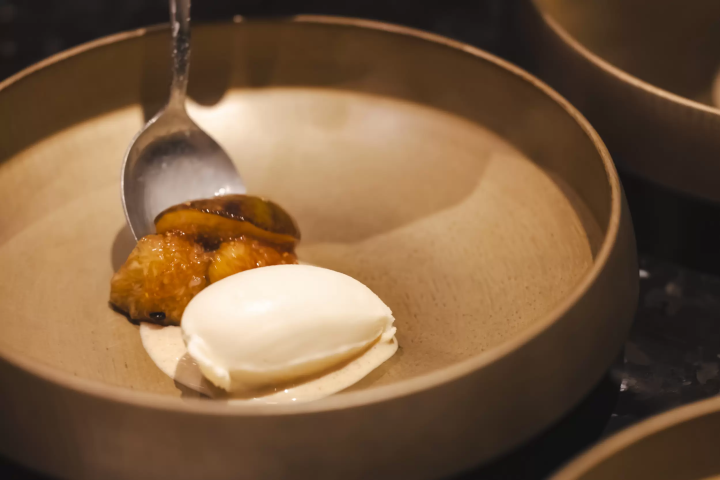
The dessert brought us back home to Aichi: caramelized figs paired with a velvety sake lees ice cream. While it is a lesser-known fact, sweet figs are a proud local specialty of Aichi Prefecture.
The sake lees, meanwhile, celebrated the region's rich heritage of fermentation food. While Chef Takahata frequently utilizes fermented elements like local vinegar and mirin in a "supporting role" throughout the meal, this fragrant, delicious dessert allowed the artistry of fermentation to take center stage. In the hands of Chef Takahata, fermentation seasonings subtly enhance the natural deliciousness of ingredients—whether it's adding red miso to a dish to create a sauce for a rich, savory umami flavor, or serving Hama Natto (semi-dried fermented soybeans) alongside meat sauce to add a flavorful accent.
Beyond the sake lees ice cream, homemade ferments appeared throughout the multi-course dinner. A standout was the house-made kombucha, proudly crafted and served by Mrs. Takahata. They also make doubanjiang sauce from scratch using broad beans—a fermented, chili bean paste that serves as an exceptional accompaniment to their menu. Operating in a region celebrated for its rich fermentation food heritage, the Takahatas’ use of these ingredients feels entirely second nature.
For him, the defining element of Japanese fermentation—distinguishing it from Western counterparts like cheese and wine—is koji. This ancient fermenting mold, deeply rooted in rice culture, enhances the natural flavors of ingredients and expands their culinary possibilities. The meal at MEI was a gentle reminder of just how close fermentation is to our everyday lives, and how much we quietly rely on it every day.
A Course Menu Elaborated Through Teamwork
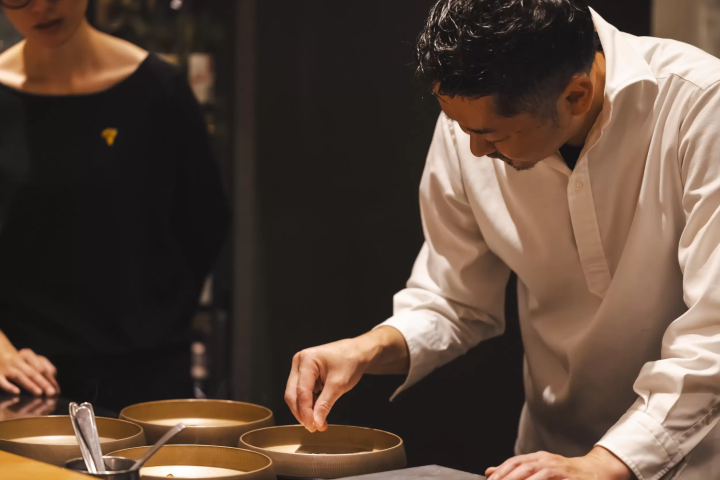
What leaves the deepest impression at MEI is the flawless synchronization between the Takahatas. It becomes instantly clear that the menu is a true partnership—from the hand-selected ingredients that inspire each dish and the wines chosen to elevate them to the exquisite tableware that turns each dish into a small work of art. Every plate and bowl used throughout the course is a unique artisan piece sourced from various regions across Japan.
While Chef Takahata focuses on preparing the dishes, Sommelier Kahori engages with guests, guiding them through the story of each plate. Yet, they move and work in perfect, unspoken harmony. Their seamless teamwork is just as exquisite as the land and sea ingredients they bring together on the plate.
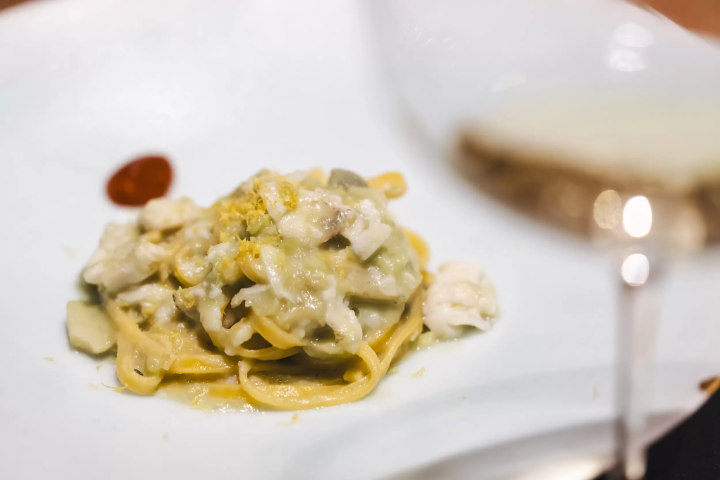
Chef Takahata utilizes classic Italian techniques, but his dedication to local, wild ingredients creates a dining experience that transcends traditional boundaries. Rather than using his food to make a conceptual statement, his ultimate focus remains simple: ensuring that every single dish is, above all, delicious.
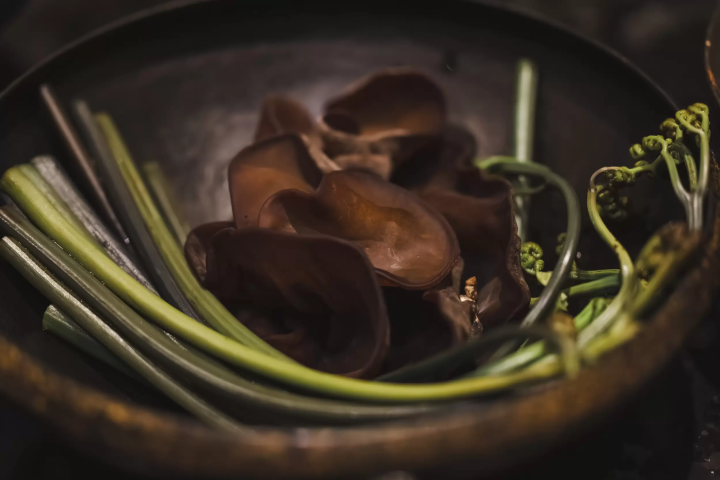
Hand-foraged ingredients bring entirely new flavors to the palate, as few chefs go to the trouble of sourcing directly from the wild.
The Takahatas’ tireless dedication to traveling, hunting, and foraging allows them to bring the true soul of the mountains and valleys directly to their guests. To dine at MEI is to encounter a side of Japanese cuisine you never knew existed.
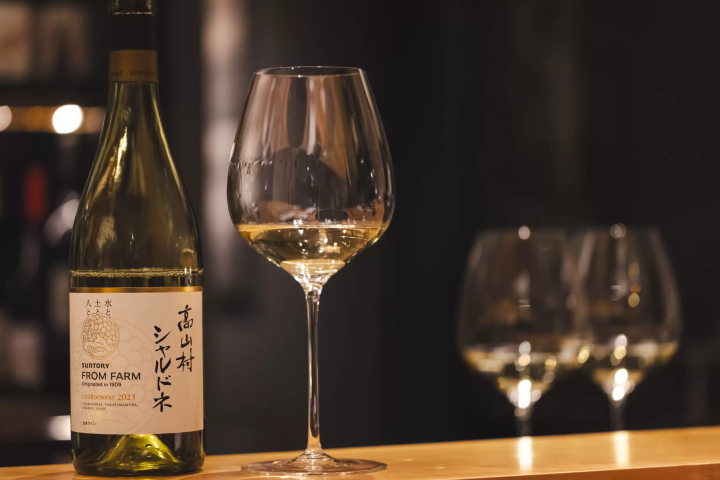
One of the greatest revelations of our evening was the remarkable diversity of Japanese wines showcased at MEI. While Aichi Prefecture is widely celebrated for its centuries-old sake-brewing heritage, it also produces exceptional, lesser-known wines. Nagano, meanwhile, has emerged as a powerhouse, boasting the highest number of wineries in Japan and surpassing Yamanashi in production. Nagano labels offer a consistent quality that makes them a natural fit for high-end dining.
These insights are just a glimpse of what you discover at MEI, a restaurant that acts as a window into the culinary culture of central Japan. To dine here is to let yourself be moved by unexpected flavors that reveal a deeper, richer side of Japan’s heritage.
Summary
MEI is located in the historic Nagono district, just a short walk from Nagoya Station via the retro storefronts of the Endoji Shotengai Shopping Street. The surrounding Shikemichi neighborhood, with its preserved Edo-period architecture and stone-paved lanes, is perfect for exploring on foot.
We highly recommend pairing a leisurely, atmospheric stroll through these historic streets with a dinner at MEI for an unforgettable night out in Nagoya.

The contents on this page may partially contain automatic translation.