
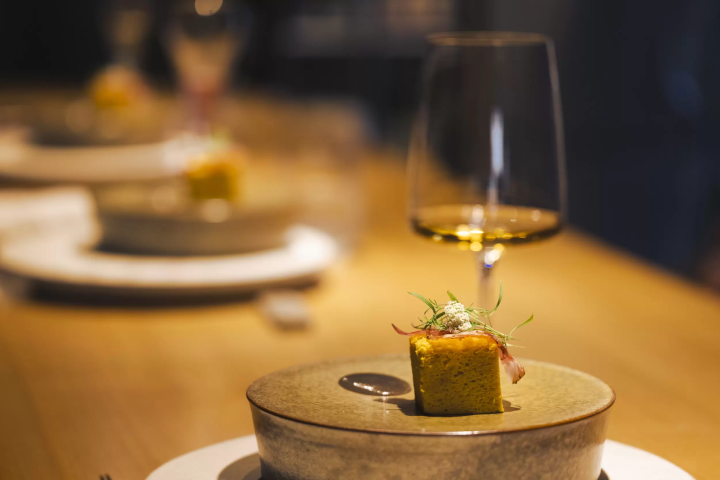
Dine at French Kappou Sasa, a restaurant in Nagoya, to enjoy a masterful 12-course lunch or an elaborate 20-course dinner celebrating local ingredients from Aichi, Gifu, and Mie.
2026.07.31Discover the Deeper Layers of Nagoya's Food Culture
Nagoya is often called a culinary paradise—and for good reason. The variety of local delicacies competing for the title of "Nagoya’s most famous dish" is overwhelming, ranging from eel specialties like hitsumabushi and noodle classics like kishimen to rich, miso-based favorites like miso-katsu.
Beyond these spotlight-stealing comfort dishes lies a rich culinary heritage with deep historical roots. This food culture is sustained by the vibrant agriculture and artisan producers that Aichi Prefecture and the Tokai region are famous for.
The best way to connect with this local terroir is through an extraordinary dining experience. We recommend French Kappou Sasa, a restaurant in Nagoya where each course is a story of the Tokai region, beautifully told through flavors and ingredients.
French Kappou Sasa: A Sophisticated Culinary Journey Around the Tokai Region
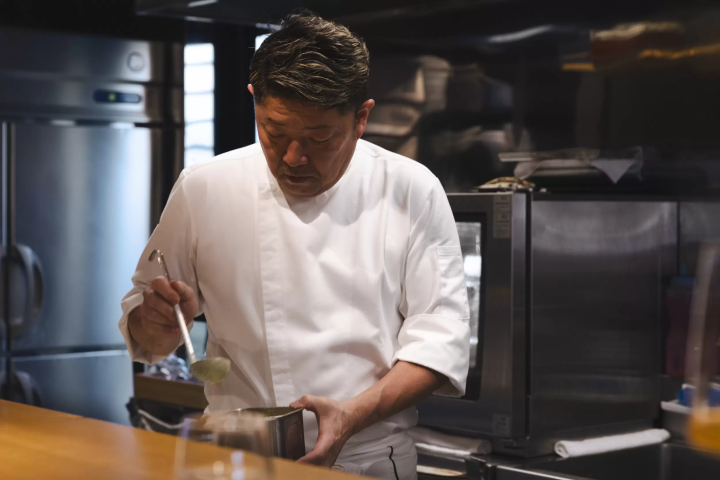
French Kappou Sasa is located just a short walk from Imaike Station in Nagoya’s Chikusa Ward. Opened in October 2018, the restaurant was founded by Chef Senda Takumi, a Nagoya native dedicated to offering multi-course cuisine consisting of small dishes locally sourced from three prefectures in the Tokai region. This style highlights the diversity and quality of regional ingredients. Before serving in this restaurant, Chef Senda spent years honing his craft as a French-cuisine chef at premium hotels across the city.
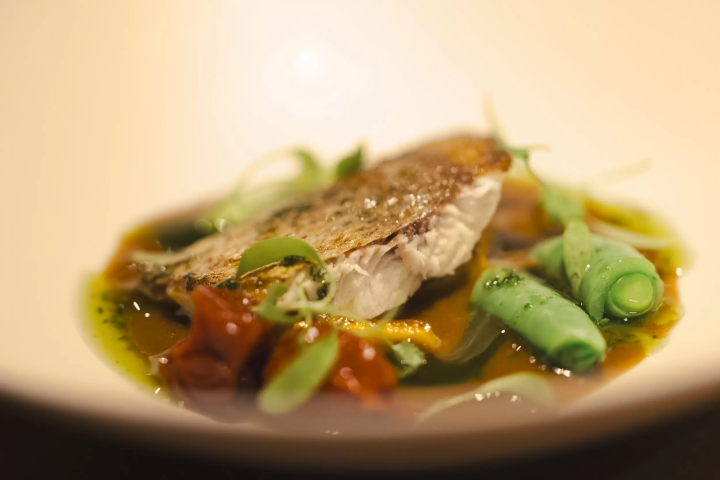
At Sasa, guests can enjoy a 12-course lunch or an elaborate 20-course dinner, featuring small dishes made with ingredients sourced from Aichi, Gifu, and Mie prefectures in the Tokai region. From coastal seafood and wild mountain herbs to vegetables, fruit, meat, and fermented goods, every ingredient comes from a trusted local producer. Open for both lunch and dinner, French Kappo Sasa is the ideal choice for a sophisticated, memorable meal in Nagoya.
Because Chef Senda prepares every dish right in front of his guests, seating is intimate, and reservations must be made at least one day in advance. To showcase the freshest local produce, the menu changes seasonally and varies slightly each day based on what is freshly delivered from the farms. Please note that the restaurant operates strictly by reservation, and guests are kindly asked to be punctual.
The Dining Experience at French Kappou Sasa
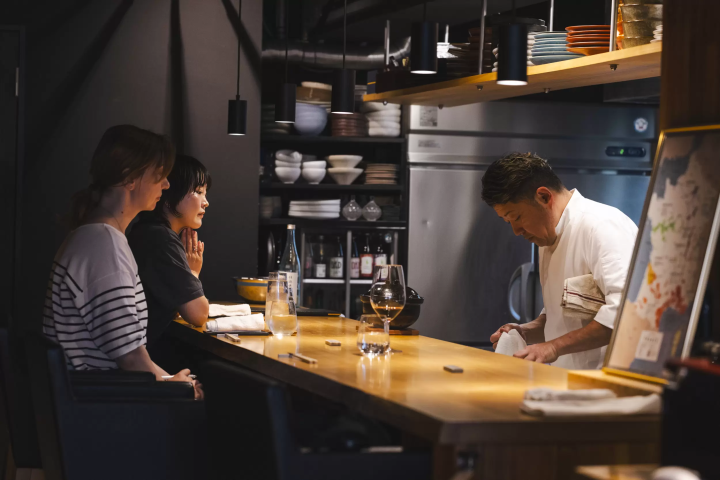
The moment you step into French Kappou Sasa, something inside you shifts. The elegant Japanese interior—featuring light filtering through delicate latticework and dim lighting designed to focus your attention on the plate—fills you with anticipation for the special dining experience ahead.
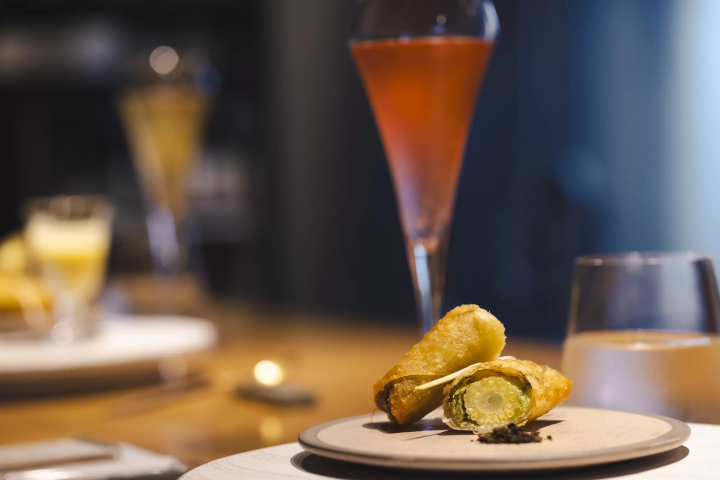
Chef Senda greets guests warmly and begins by taking drink orders. Alongside an excellent selection of wine and sake, the menu features artisanal kombucha. Kombucha is a refreshing, fermented drink made from sweetened black or green tea.
Crafted by Plus Kombucha, a local maker from Nagoya’s Chikusa Ward, these refreshing, tea-based fermented beverages come in sophisticated flavors like rosehip, bergamot, orange peel, and rose. Because it cleanses the palate without overpowering the food, this kombucha has become a favorite pairing at many of Nagoya’s top-tier restaurants.
Once guests have their drinks in hand, Chef Senda shifts swiftly into action, his intense focus and dedication on full display as he prepares the opening dishes.
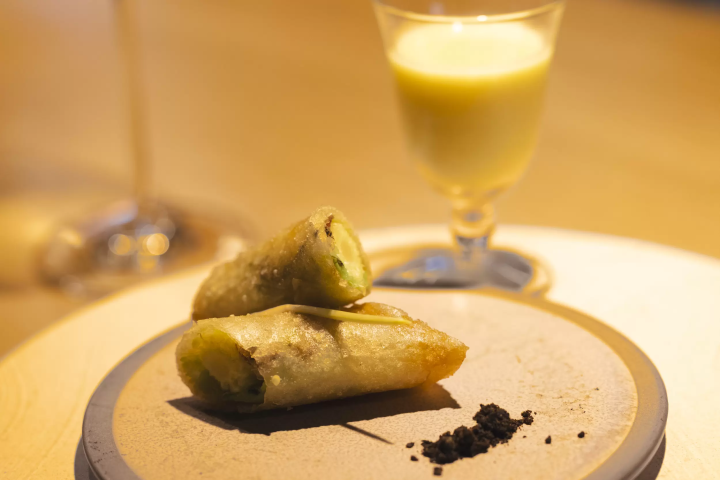
Because we visited in early June, the omakase course centered on the vibrant flavors of early summer. The opening dish showcased baby corn from Hekinan in two distinct ways: a refreshing corn soup layered over homemade cheese, alongside a crispy, harumaki-style (spring roll) deep-fried baby corn. Picked early in the season, the young corn surprised us with its natural sweetness and rich, concentrated flavor.
Placed beside it was a dusting of powdered tamari kasu from Taketoyo—a town famous for this deeply flavorful, three-year-aged soy sauce. Kasu (lees) is the byproduct left behind after the sauce is filtered. Chef Senda shared that he loves using unique byproducts like tamari kasu as culinary accents, utilizing them to take a dish's flavor in a new and surprising direction.
Through this dish, we were introduced to a fundamental aspect of Japanese cuisine that Chef Senda intricately weaves into his courses: the sequence of hashiri, shun, and nagori. This concept allows diners to experience ingredients at three distinct stages: just ahead of their season (hashiri), at their absolute peak (shun), and at the very tail end of their season (nagori).
The Hekinan baby corn represented the hashiri element of our meal, offering us a rare and exciting preview of the summer season yet to come.
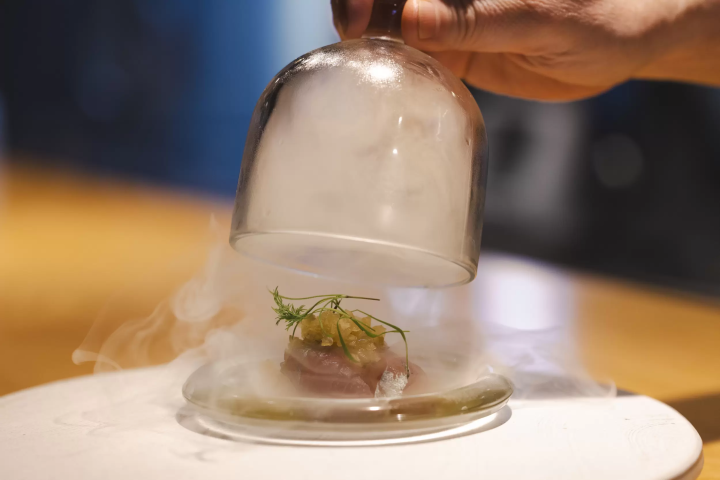
The second dish took our breath away: Morozaki horse mackerel, aged for four days to bring its flavor to its peak, was instantly smoked right before our eyes. Despite being exposed to the smoke for only a few seconds, the fragrance perfectly permeated the fish, imparting a rich, delicious aroma that was perfectly complemented by the pickled onion sauce. While featuring classic local ingredients from the waters of Ise and Mikawa Bays, Chef Senda remains true to the principles of French cuisine, where nothing is ever served completely raw.
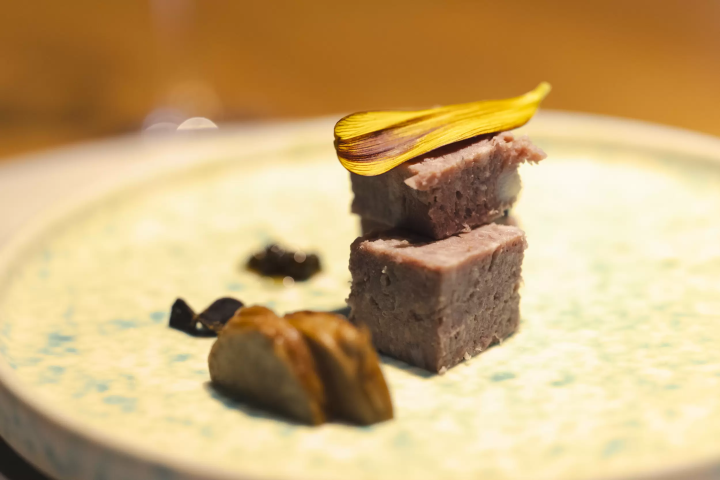
Following a silky savory flan made with rice-fed chicken eggs from Tokoname and an aromatic Hekinan carrot soufflé, the course moved to pork terrines. This dish was served with pickled sunchoke from Toyota and Hama natto—the nutrient-rich fermented beans that Toyohashi is famous for. Within a span of just thirty minutes, these flavors took us on a journey across Aichi, revisiting regions renowned for their deep fermentation traditions.
We couldn't help but think of the madeleine in Proust’s “In Search of Lost Time”; flavors truly possess the power to conjure distant landscapes, memories, and the faces of people met along the way. Dining at French Kappou Sasa becomes an even more powerful experience if you have visited these regions beforehand; you find their flavors and traditions gathered here like in a bouquet. Since most of these places are just a thirty-minute to one-hour journey from Nagoya, we highly recommend visiting the producers themselves if you have the chance.
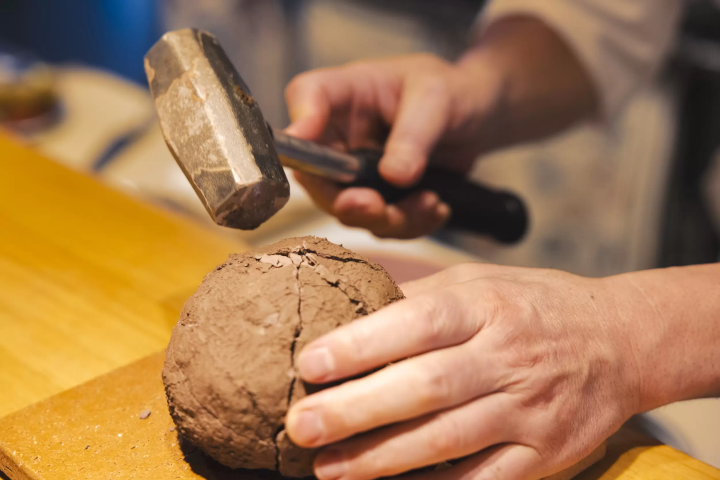
Another unforgettable highlight was the Hekinan sweet onion, slow-baked inside a casing of raw clay from Tokoname—a region renowned for its pottery traditions. Without warning, two clay boulders were brought to our table and cracked open before our eyes, revealing piping-hot parcels wrapped in parchment. Chef Senda carefully unveiled the onions, which had been baked intensely at 200°C.
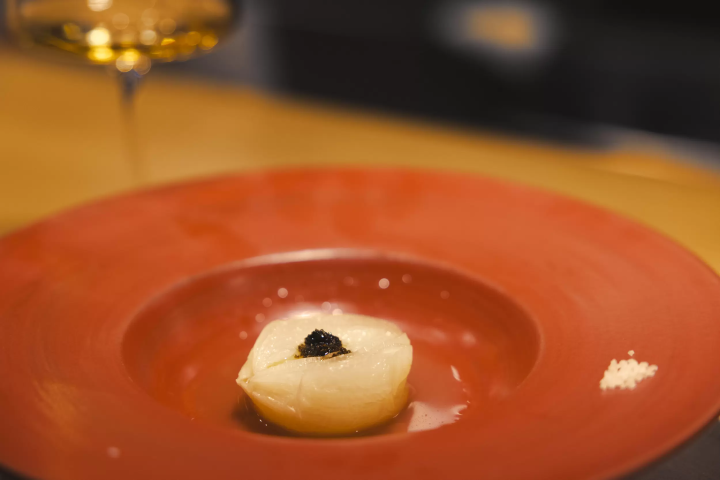
By absorbing earthy minerals from the surrounding clay as they steamed in their own juices, the onions achieved a concentrated depth of flavor impossible to reach through regular boiling. The dish was served in a delicate broth, finished with a sprinkle of rare, hand-harvested sea salt made right in Nagoya through a painstaking sun-drying process.
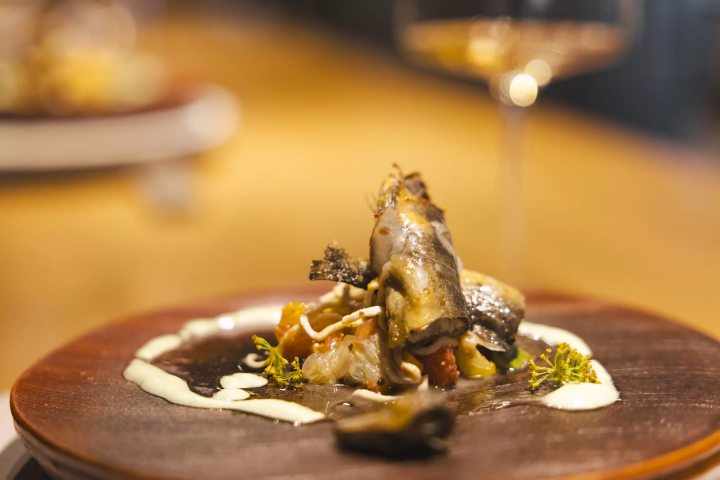
This dish was followed by Gujo sweetfish confit, accompanied by a vibrant salad of grapefruit, blood orange, zucchini, and a delicate touch of dill flower. We had officially entered the shun phase of the menu, which focuses on ingredients at the peak of their season.
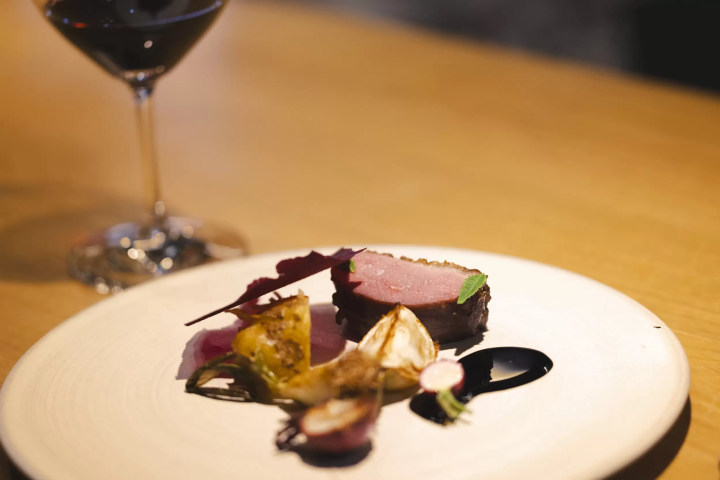
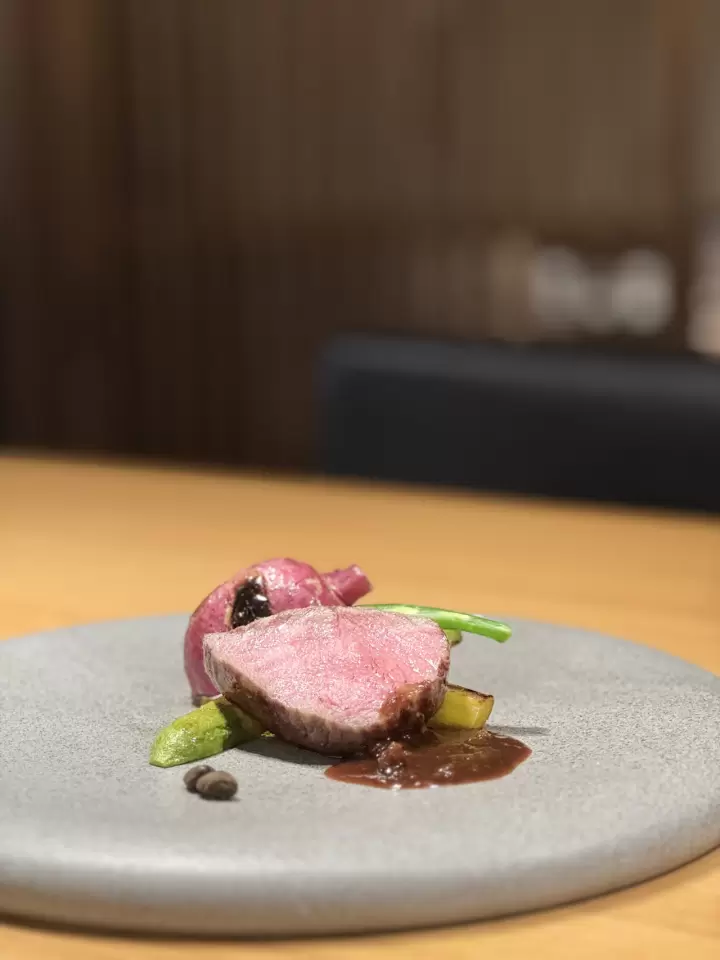
After another series of delicate dishes featuring local delights—such as roasted Toyohashi duck, fragrant Tokoname brown rice noodles, and Mihama rice with a seafood curry sauce—we reached the nagori stage of the course.
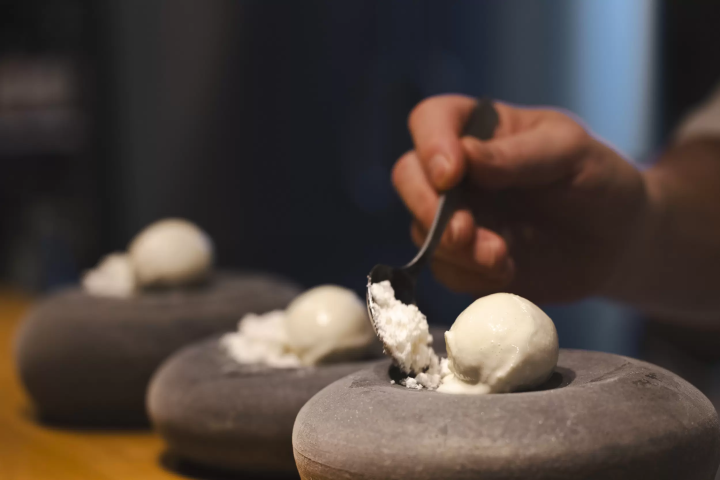
Dessert was a refreshing fukinoto (Japanese butterbur sprout) ice cream accompanied by powdered olive oil. The bittersweet treat beautifully evoked the spring season that had recently drawn to a close in the mountains of Takayama, where these wild edible sprouts had been harvested.
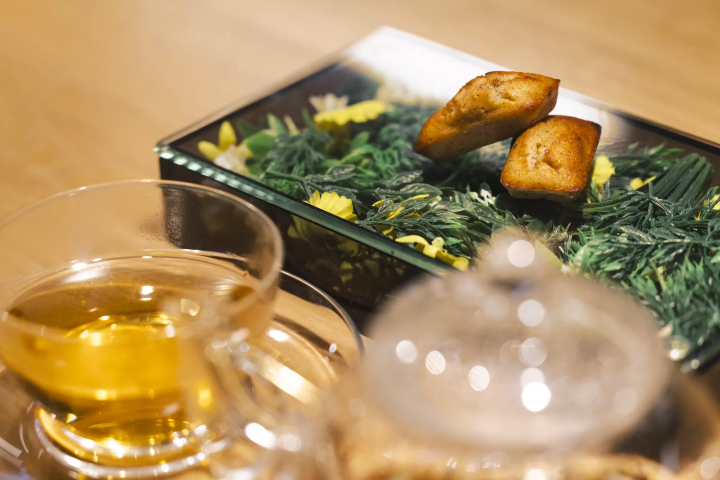
For the final sweet note, we were served beignets paired with Nagoya cream cheese and Mihama blueberry jam, followed by delicate rice financiers and herbal tea. It was a gentle, comforting finale that sat perfectly on the stomach after a spectacle of surprising flavors.
Having just pulled off an athletic feat—juggling multiple dishes at once with clockwork precision—Chef Senda was now completely at ease, smiling and ready to chat.
Inside Chef Senda’s Kitchen: French Fusion, Hakko Culture, and Supporting Local Farmers
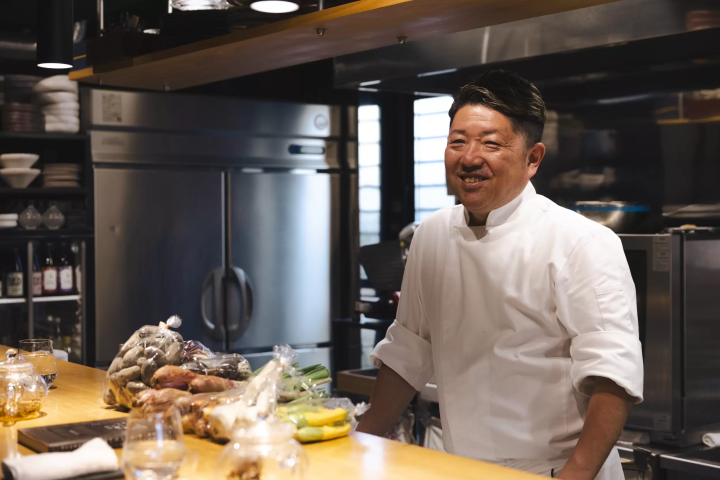
Chef Senda’s multi-course menu offers a masterful fusion of French cuisine and Japanese kappo-style cooking, prepared right in front of the guests. “We call it French cuisine," he says, "but by sourcing locally, it inherently becomes Japanese-style French.”
When asked about his commitment to local sourcing, Chef Senda notes that Nagoya acts as a hub, gathering a wide variety of produce. While Aichi Prefecture boasts vast agricultural lands yielding exceptional fruit and vegetables, he expands his reach to mountainous Gifu and coastal Mie—a region famous for its seafood and premium rice. By sourcing from across these three areas, he crafts a menu that truly highlights the bounty of the Tokai region.
“Besides,” he adds, “this region also has hakko, right? The Tokai region has a truly unique fermentation culture, shaped by its history and natural environment. Incorporating these elements into my cooking feels very natural.”
Chef Senda delights in using the byproducts of fermentation to add distinct accents to his dishes. For instance, he occasionally uses tamari kasu (the lees left over from pressing rich tamari soy sauce) or mirin lees to craft fragrant ice cream desserts.
“Miso paste and soy sauce are harder to work with,” he says with a smile. “If I use those, the dish instantly becomes Japanese. But then again, French cuisine frequently relies on cheese, which is also a fermented product. Looking at it through that lens makes integrating Japanese fermentation quite easy.”
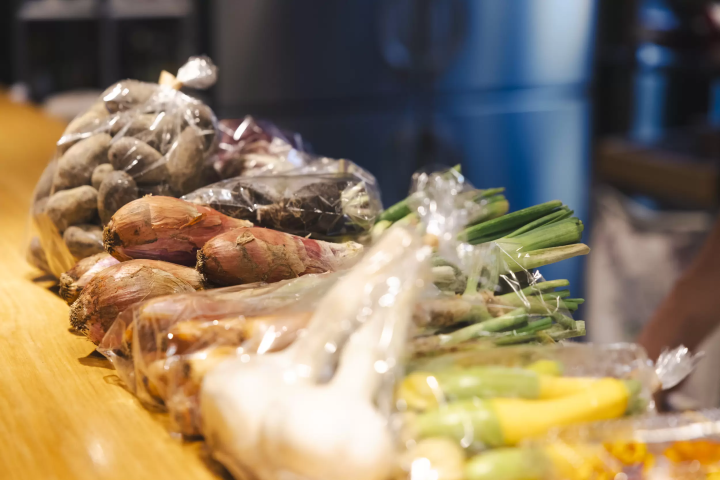
During our conversation, a fresh delivery arrived. Chef Senda unboxed it right before our eyes, filling the counter with vibrant, carefully packaged ingredients.
“I collaborate with farmers from all over the region,” he says. “My friends in Tokoname send vegetables twice a week. Meanwhile, a farm in Toyota sends me a surprise assortment based on a set budget; it’s always a joy to open the box and see what’s inside.”
When crafting his menu, Chef Senda strikes a balance between meticulously planned dishes and spontaneous creations inspired by these unexpected seasonal deliveries.
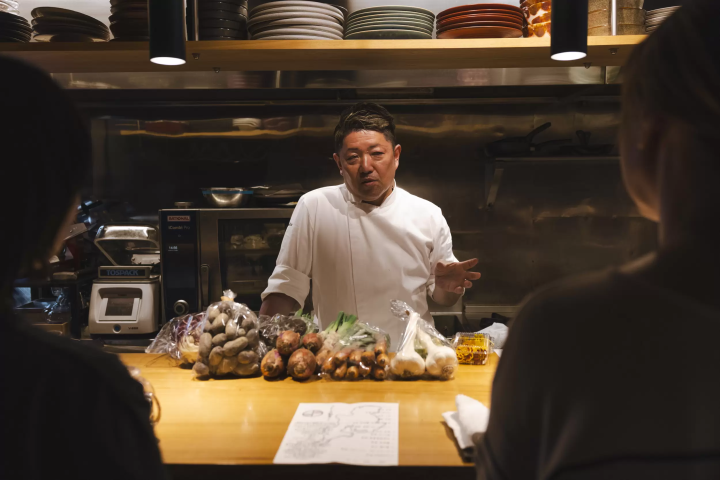
“My wish is for customers to truly appreciate the farmers,” he reflects. “Anything that tastes exceptional and is of high quality takes immense time and effort to produce, and that dedication deserves to be fairly compensated. I believe we need to rethink the relationship between quality and price, and consciously choose high-quality food to nourish our bodies.”
Long after the pleasant aftertaste of the incredible meal had faded, Chef Senda’s words stayed with us like an echo—turning an unforgettable dining experience into a catalyst for shifting our perspective on food and the way we eat.
Summary
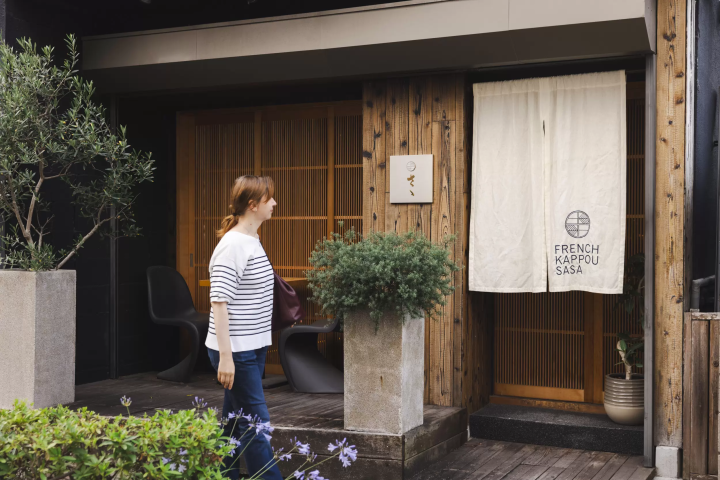
French Kappou Sasa is open for both lunch and dinner, and reservations can be easily made via TableCheck, Tabelog, or the official website (Japanese only).
Located just a short distance from Imaike Station, the restaurant is perfectly situated for a day out in Nagoya. You can easily combine an exceptional meal here with a stroll through this vibrant neighborhood or a visit to the nearby Furukawa Art Museum.
The contents on this page may partially contain automatic translation.