
Why does Nagoya cuisine taste so good? Uncover the science of umami, how fermentation boosts flavor, and how we perceive deliciousness.
2026.09.30The Secret Behind Nagoya’s Rich Flavors
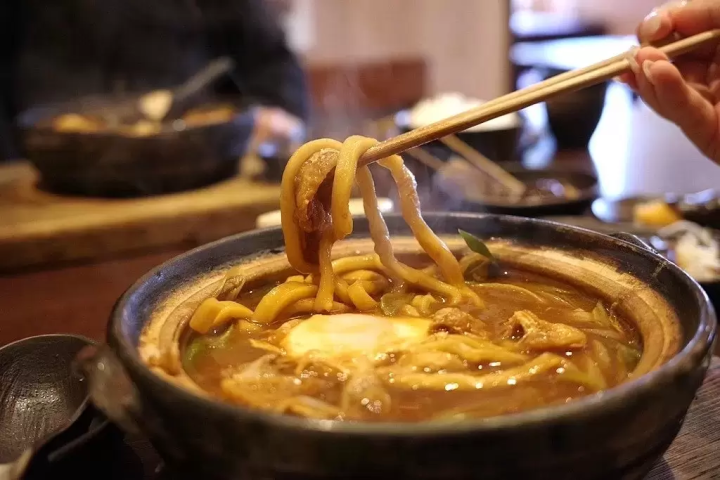
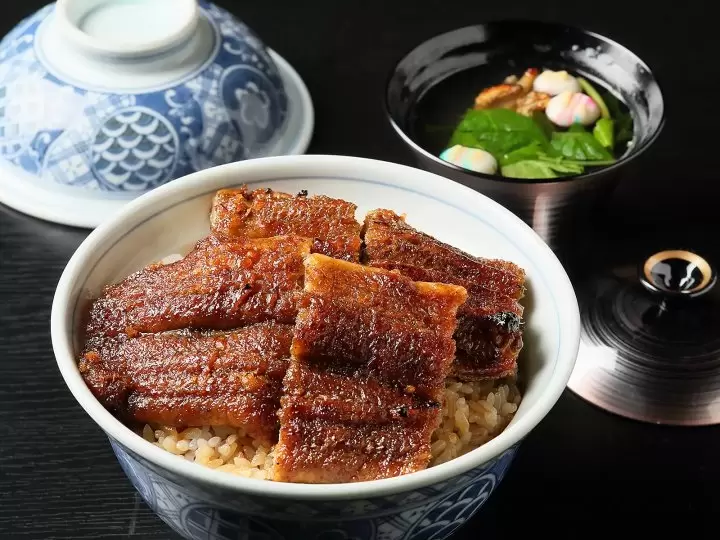
If you’ve visited Nagoya, you’ve likely noticed its rich, savory cuisine—from Miso Nikomi Udon, where deep red miso infuses every ingredient, to Hitsumabushi, made with delicious grilled eel.
As highlighted in our HAKKO stories, these bold flavors rely on the region’s exceptional fermented ingredients: Hatcho miso (made only from soybeans, salt, and water), mirin - the seasoning that gives grilled cuisine its appetizing glaze, vinegar - which is essential to dishes like sushi, and soy sauces ranging from rich tamari to delicate white soy sauce (shiro shoyu). These staples make every local meal deeply satisfying and leave visitors eager to discover what else Nagoya has to offer.
All of these fermented foods share a key element: umami compounds. Beyond triggering umami—the "fifth basic taste" alongside sweet, sour, salty, and bitter—these compounds add a distinct depth of flavor to cooking.
But what exactly is umami, how does it develop, and why does it make food so satisfying?
To find out, we spoke with experts at the Umami Information Center in Tokyo. What we learned explains precisely why Nagoya’s local fermented ingredients are so packed with flavor. Read on to uncover the science behind the deliciousness of Nagoya cuisine.
What Is Umami and How It Relates to Deliciousness
If you went to school before 2002, you were likely taught that the human tongue detects only four basic tastes: sweet, sour, salty, and bitter. That changed in 2002, when scientists officially identified dedicated taste receptors for a fifth taste—umami—reshaping our understanding of human taste perception.
The concept itself wasn't new. Japanese chemist Kikunae Ikeda first identified umami in 1908 after discovering that glutamate was the key taste compound in kombu dashi (kelp broth). He named the sensation "umami" and published a paper in 1909 arguing it should be recognized as a basic taste. Following his breakthrough, other Japanese researchers expanded on his work, discovering two additional key umami compounds: inosinate and guanylate.
Japan has a long history of umami research. In 1982, the Umami Information Center was established to accurately share fact-based information about umami both as a basic taste and as an essential culinary element.
The Science Behind the Fifth Taste
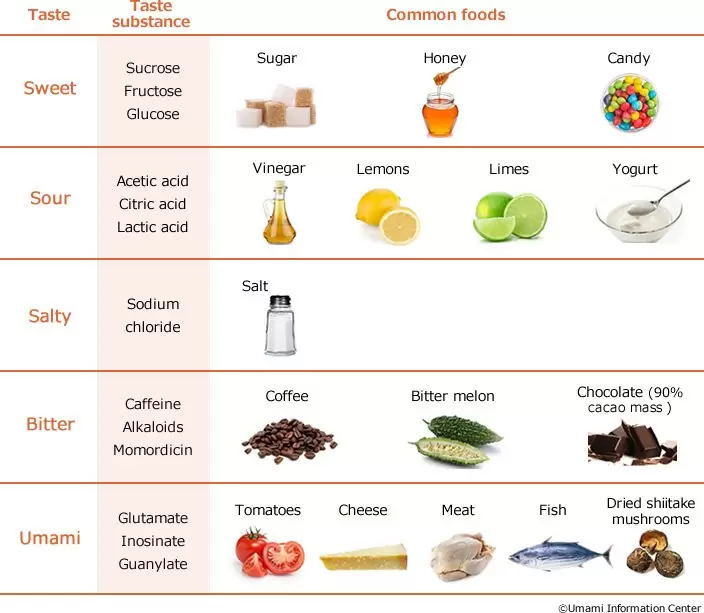
Picture courtesy of Umami Information Center
Just as sugars like glucose or sucrose create sweetness, or acids like acetic and citric acid create sourness, umami is produced by specific chemical compounds: glutamate (an amino acid) and nucleotides like inosinate and guanylate.
These umami compounds are abundant in protein-rich foods, each originating from different sources:
Glutamate: Widely found in meat, fish, and vegetables like tomatoes.
Inosinate: Concentrated mainly in animal-based foods, such as meat and fish.
Guanylate: Found in high amounts in dried mushrooms, particularly dried shiitake.
In other words, umami acts as a signal that the body is receiving protein. Whole proteins have no taste on their own; we only perceive taste when proteins break down into individual amino acids.
Processing methods like ripening, aging, and fermentation significantly boost these umami compounds. That is why traditional foods worldwide—such as fermented condiments like soy sauce or aged cheeses—are rich sources of umami.
How We Experience Umami
So, what does umami actually taste like? Top chefs describe it as a subtle, delicate taste that coats the entire tongue, lingers long after a bite, and triggers a mouthwatering sensation.
You can experience umami yourself with a simple home test. Chew on a piece of dried tomato. At first, you’ll taste a sharp sourness. As that initial acidity fades, a gentle, flavor-rich taste spreads across your entire palate. You'll also notice your mouth watering and the flavor lasting long after the initial sourness has disappeared—that lingering sensation is umami.
In Japanese, two distinct terms are pronounced "umami," though they mean different things: うま味 (written in hiragana) refers specifically to the scientific fifth basic taste, while 旨味 (written using kanji) refers to the overall concept of "deliciousness."
While deliciousness is a subjective judgment—shaped by aroma, visual appearance, texture, and cultural background—the fifth taste is a distinct, biological taste sensation.
Umami is only one element that makes up the flavor of a dish. However, foods that contain high concentrations of glutamic acid play a central role in bringing richness, satisfaction, and a deep flavor to dishes.
Why Is Nagoya Cuisine So Rich? The Power of Umami Synergy
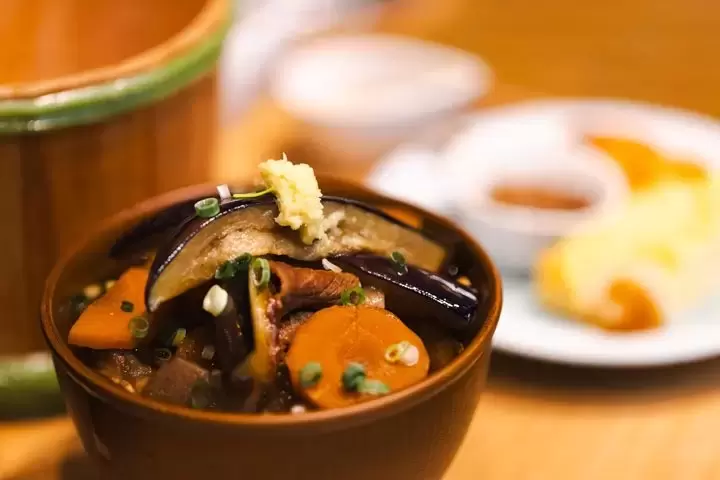
Nagoya cuisine is exceptionally rich because it relies heavily on umami-dense fermented foods. Even everyday staples like miso paste reflect this: Nagoya uses a soybean-based miso, which contains the highest glutamate levels of any miso variety in Japan. When it comes to another kitchen staple, soy sauce, Nagoya cooks often prefer tamari. This rich variety is aged for three years, compared to the single year typically used for standard soy sauce.
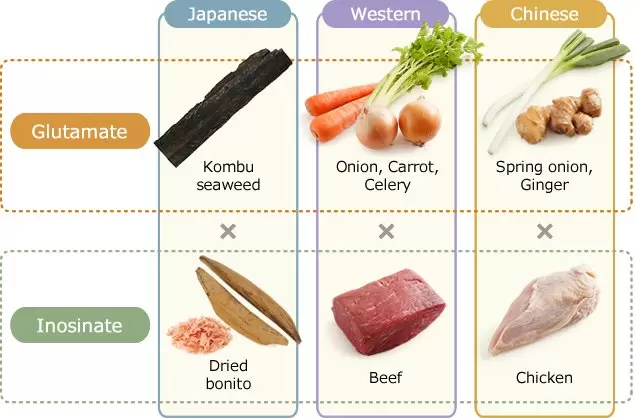
Moreover, we perceive umami far more intensely when glutamate is combined with inosinate—found in abundance in meats and fish, particularly aged products like dried bonito (katsuobushi).
This exponential boost is known as umami synergy, and there is no better example of this phenomenon in action than Japanese dashi broth.
Picture courtesy of Umami Information Center
Dashi broth is a classic example, made by pairing kombu seaweed (rich in glutamate) with dried bonito flakes (rich in inosinate).
Long before scientists identified these chemical compounds, cooks around the world instinctively relied on umami synergy, as seen in traditional stock and broth recipes globally.
From this perspective, a simple bowl of miso soup perfectly exemplifies umami synergy in combining glutamate and inosinate for maximum flavor.
Picture courtesy of Umami Information Center
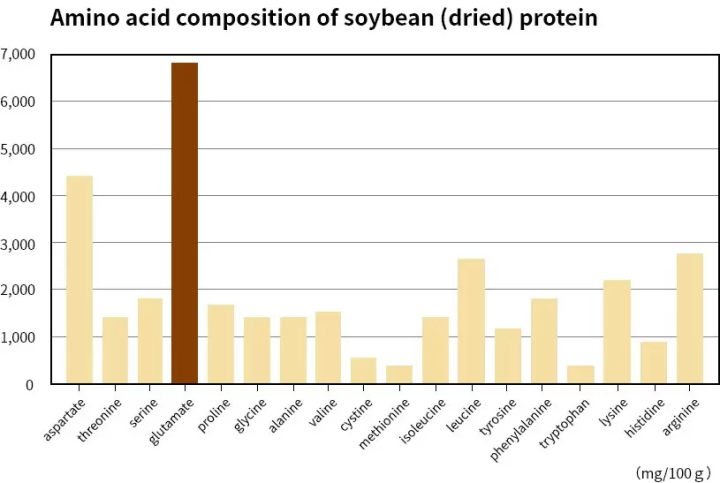
Soybeans, the base for miso paste, are exceptionally high in protein—with glutamate being the most abundant amino acid in soybean protein.
When making miso soup, combining glutamate-rich miso paste with a dashi broth made from kombu kelp and bonito flakes (and thus containing both glutamate and inosinate) creates a potent umami synergy.
Adding ingredients like tofu or wakame seaweed provides even more glutamate, while vegetables like green onions or sweet potatoes introduce a natural sweetness. The result is a comforting, layered soup that balances complex flavors and soothes the body from within.
Picture courtesy of Umami Information Center
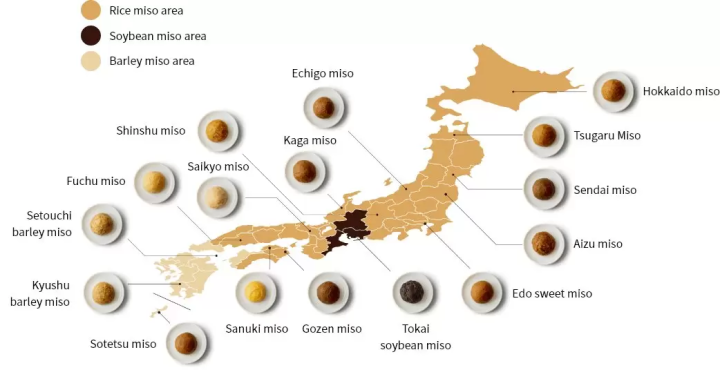
There are various types of miso paste in Japan, categorized by the type of koji culture used in fermentation:
Rice Miso (Kome Miso): Fermented using rice koji, this is the most common variety, accounting for roughly 80% of Japan’s miso consumption.
Barley Miso (Mugi Miso): Fermented using barley koji, this variety is particularly popular across the Kyushu region.
Soybean Miso (Mame Miso): Made using soybean koji and aged to a deep, dark brown, this rich type of miso dominates the Tokai region where Nagoya is located.
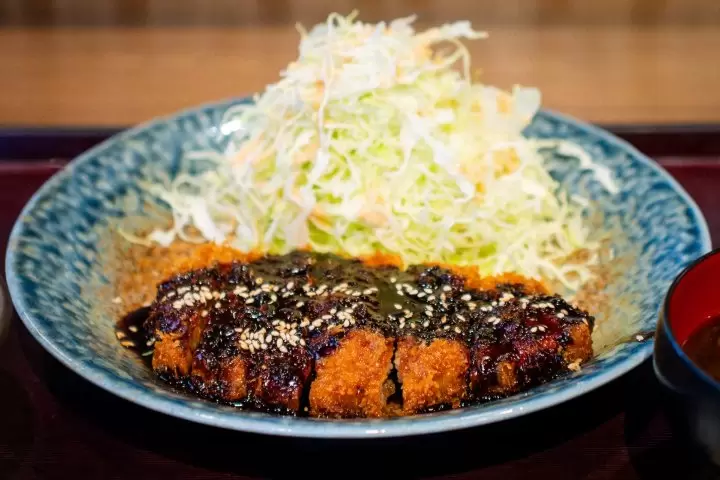
Hatcho miso is the premier example of soybean miso. If you’ve visited Nagoya, you’ve almost certainly tasted it—it powers signature local dishes like Miso Nikomi Udon and Miso Dengaku, a savory glaze brushed over grilled tofu or konjac.
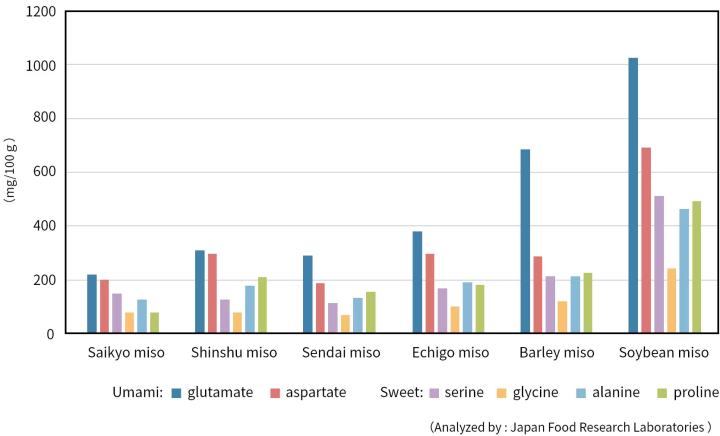
Picture courtesy of Umami Information Center
As shown in the chart above, soybean miso contains significantly higher glutamate levels than other varieties. This directly explains why Nagoya cuisine—which relies heavily on soybean miso like Hatcho miso—delivers such a pronounced hit of umami and feels so remarkably rich and savory.
Tamari soy sauce undergoes a similar transformation. While standard soy sauce ages for about a year, authentic tamari ages for up to three years. Just as extended aging increases glutamate in hard cheeses or cured ham, this prolonged fermentation enhances the amino acids in tamari, resulting in a condiment packed with a high concentration of umami compounds.
Experience Umami at the Source near Nagoya
Because they are made from protein-rich soybeans and undergo long fermentation, Nagoya’s soybean miso and tamari soy sauce are packed with high concentrations of umami.
To experience these ingredients firsthand, sample regional dishes, or buy artisanal miso and soy sauce for home cooking, consider taking a day trip to the historic producing towns surrounding Nagoya.
Okazaki:Home of Hacho Miso
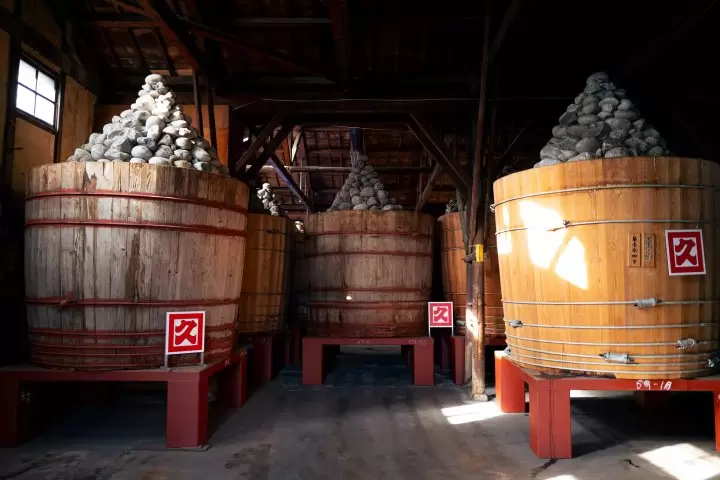
Okazaki, which can be reached in about 30 minutes by train from Nagoya, is world-famous for Hatcho miso, produced by historic breweries like Maruya Hatcho Miso and Kakukyu Hatcho Miso. On a factory tour, you can see massive wooden barrels where the miso ages for years under heavy stone weights.
You can purchase authentic Hatcho miso to recreate these flavors at home. To make a rich, comforting miso soup, simmer ingredients like pork slices, green onions, tofu, or nameko mushrooms in one liter of water with five spoons of Hatcho miso for about 15 minutes. The result is a deeply savory, umami-packed soup that instantly brings back memories of your time in Nagoya.
Taketoyo: Renowned for Tamari Soy Sauce
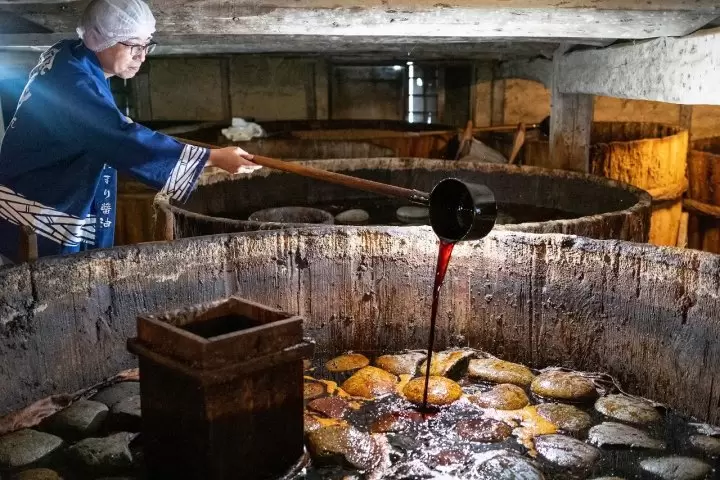
While widely available across central Japan, authentic tamari soy sauce is made in Taketoyo—a town located about 40 to 60 minutes by train from Nagoya. Historic producers like Nakasada Shoten offer brewery tours and museum displays showcasing the traditional methods used to craft this distinct condiment. At their shop, you can even sample various tamari varieties to find your preferred profile.
Rich in glutamate, tamari soy sauce pairs brilliantly with sushi. Its rich, roasted aroma harmonizes with the inosinic acid in fish and the subtle sourness of vinegared rice for an exquisite balance of umami and acidity.
These historic breweries are just a few of the producers featured on our HAKKO website. Explore our site to discover more about the rich, fermented flavors of the Nagoya region.
Summary
Any trip to Nagoya and central Japan reveals a world of rich flavors that will convince you the region is the true gourmet capital of Japan. At the core of Nagoya’s deliciousness lie umami-rich fermented ingredients.
Behind this exceptional flavor is a fascinating science—driven by distinct amino acids, clever pairings, and traditional aging techniques. Knowing the story and science behind umami will elevate every bite of your culinary journey through central Japan.
We would like to thank the experts at the Umami Information Center for their support on this article. Their valuable insights helped us uncover the science behind umami and its crucial role in creating rich, delicious flavors.
Comment from the Umami Information Center
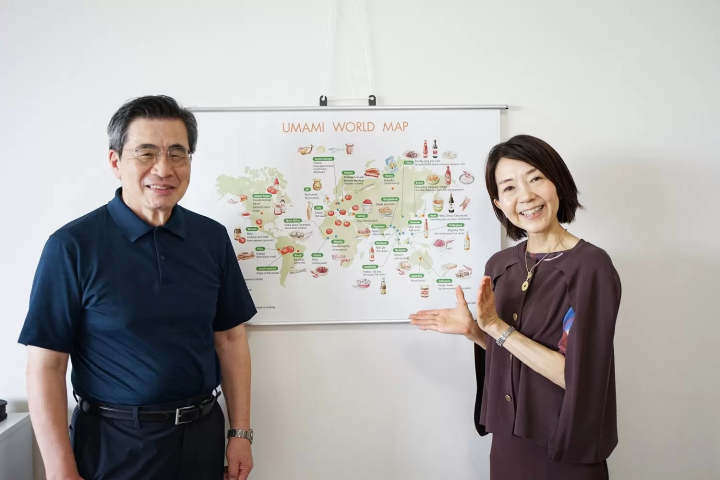
Left: Professor Emeritus Toshihide Nishimura, Chairman of the Umami Information Center
Right: Ms. Yasue Kido, Director of the Umami Information Center
“Dining becomes so much more enjoyable when you move beyond simply thinking, 'This tastes great!' and instead ask yourself, 'Why does this have such depth of flavor?' or 'Where does all this richness come from?' Aichi’s fermented foods feature numerous traditional dishes packed with umami-rich ingredients. By understanding the science behind umami and depth of flavor, you can experience miso, soy sauce, and local cuisine from a whole new perspective. We invite you to visit Aichi, savor the food, and uncover these secrets for yourself.”
The contents on this page may partially contain automatic translation.