
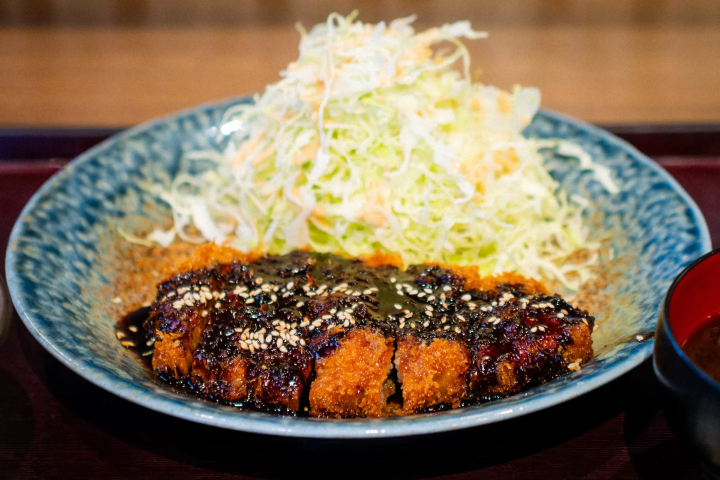
This guide introduces a 4-day itinerary exploring the Aichi and Gifu areas, where Japan's fermented food culture is rooted. This efficient itinerary includes visits to Hatcho miso breweries, established mirin producers, and sake breweries.
2026.05.25-
Table of Contents
- Nagoya and Fermented Food Culture
- Day 1: Nagoya to Taketoyo & Hekinan: The Roots of Soy Sauce and Mirin
- Day 2: Visit the Birthplace of Hatcho Miso in Okazaki
- Day 3: Experience Gifu’s Fermented Food Culture and Nagara River’s Bounty
- Day 4: Ending with a Tasting of Hoba Miso and Local Sake in Takayama
- Let's Take a Journey Through Fermented Foods
Nagoya and Fermented Food Culture
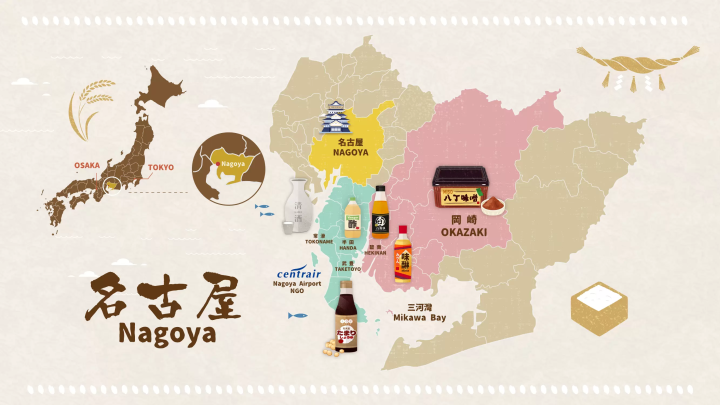
Located halfway between Tokyo and Osaka, the Nagoya area boasts a rich and unique fermented food culture that remains deeply rooted today. Miso, soy sauce, mirin, and sake—many of the fermented condiments that sustain daily meals have evolved uniquely in this region. Looking north, one can also find a thriving fermented food culture unique to the mountainous areas, such as the local sake of Hida Takayama, nurtured by the melting snow of the Northern Alps, and Hoba miso.
This article introduces a 4-day itinerary that takes you from Nagoya to Gifu and Hida Takayama, allowing you to experience Japan's fermented food culture. Details for each spot are introduced in the linked articles, so be sure to check out any places that interest you.
Day 1: Nagoya to Taketoyo & Hekinan: The Roots of Soy Sauce and Mirin
Start our Journey with Nagoya’s Specialty Hitsumabushi
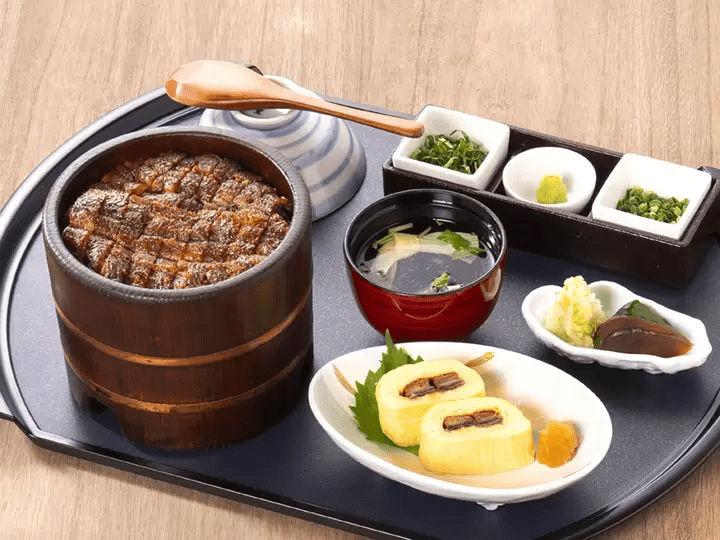
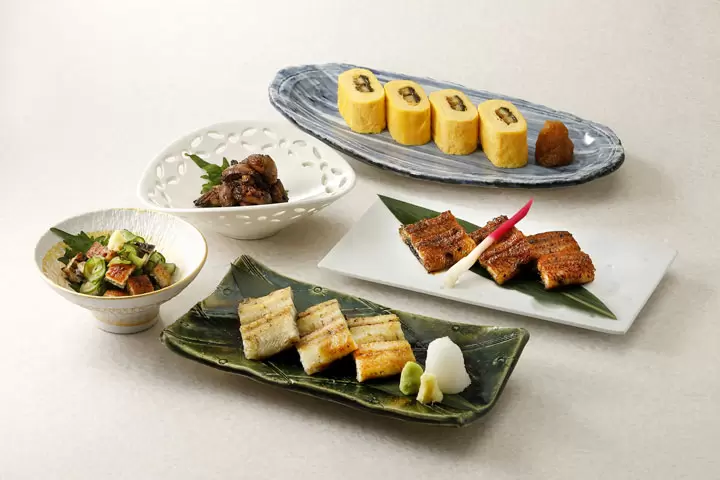
Our journey begins with hitsumabushi, a representative Nagoya delicacy. Savory grilled eel is coated in a sweet-and-salty sauce made from soy sauce and mirin, letting you directly taste the umami of fermented seasonings.
Not only can you enjoy it as is, but the variations in flavor, such as pouring dashi broth over it and enjoying it as ochazuke (green tea over rice), are also part of its appeal. Let's start our fermented food journey by trying hitsumabushi near JR Nagoya Station.
Taketoyo: Visit Nakasada Shoten for a Tamari Soy Sauce Brewery Tour (35 Minutes by Train from Nagoya)
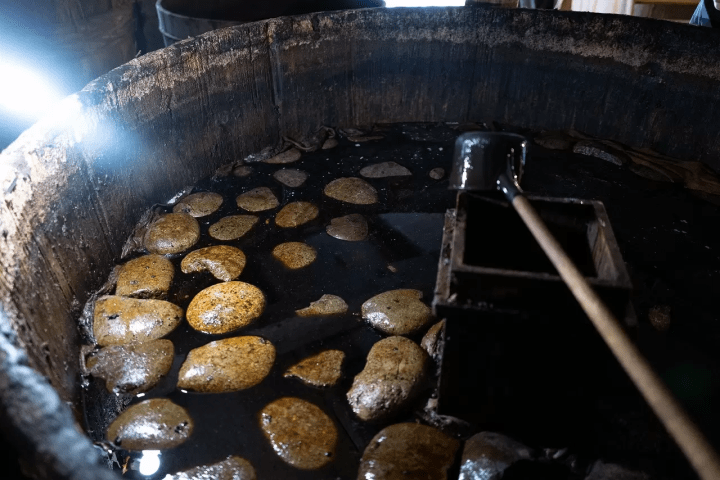
Taketoyo on the Chita Peninsula in Aichi Prefecture is a famous production area for tamari soy sauce. Made primarily from soybeans, tamari soy sauce is characterized by a deeper umami flavor and thicker texture than regular soy sauce.
At the long-established Nakasada Shoten, you can take a close look at their traditional brewing process by making a reservation by phone the day before. By learning about the fermentation process, which takes place over a long period of time, your perspective on the soy sauce found in everyday dining will surely change.
The differences in the manufacturing methods and flavors of tamari soy sauce are explained in detail in the following article.
Hekinan: Experience Mirin’s Charm at Kokonoe Mirin (15 minutes by Car from Taketoyo)
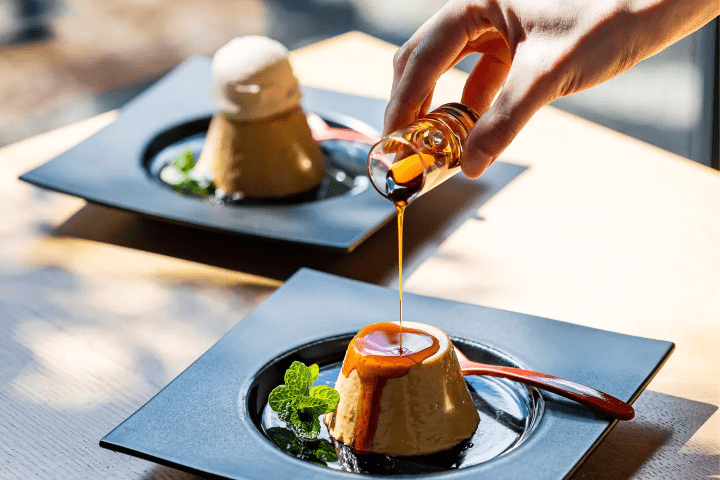
Kokonoe Mirin, located in Hekinan, Aichi Prefecture, has a history of over 250 years and is famous as the birthplace of Mikawa mirin, a variation of the sweet rice wine. It takes about 15 minutes by taxi from Nakasada Shoten in Taketoyo to Kokonoe Mirin in Hekinan (about an hour if traveling by public transport).
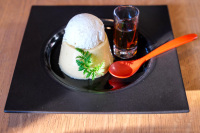
Restaurant & Cafe K-an offers meals, desserts, and drinks that generously utilize Mikawa mirin and other fermented ingredients. You can experience firsthand the role of mirin in adding richness and umami to dishes, not just sweetness.

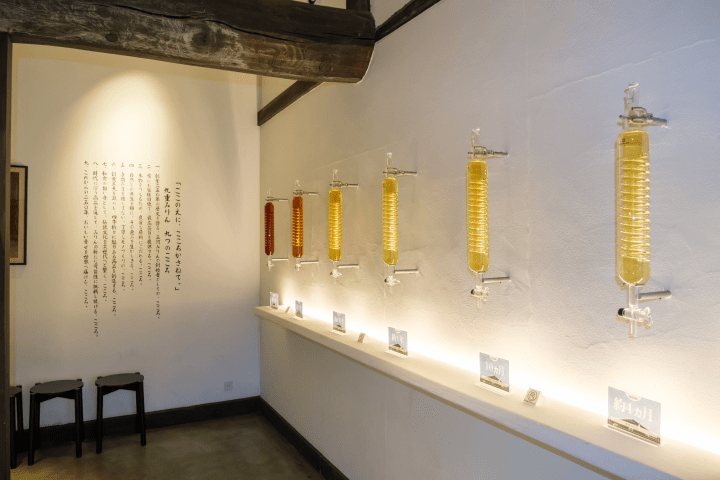
At Kokonoe Mirin, reservations for brewery tours are accepted from one month before your desired visit date until 12:00 PM on the previous day. As the tour begins at 10:00 AM, if you are able to make a reservation, it is recommended to visit Kokonoe Mirin first before heading to Taketoyo afterward. You can also purchase products at the attached shop, allowing you to enjoy the rich and complex flavors of mirin at home as well.
The following article provides a detailed explanation of the fermentation process of mirin and how to use it in cooking.
After your Kokonoe Mirin tour, we recommend staying near JR Okazaki Station or Nagoya Station to prepare for sightseeing in Okazaki the next day.
Day 2: Visit the Birthplace of Hatcho Miso in Okazaki
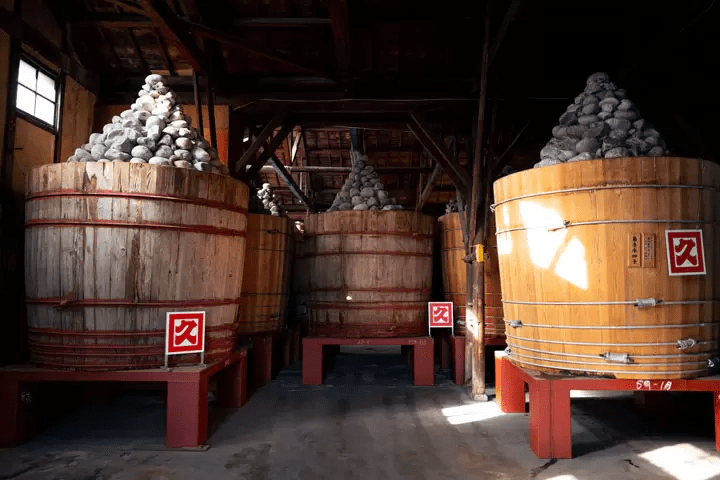
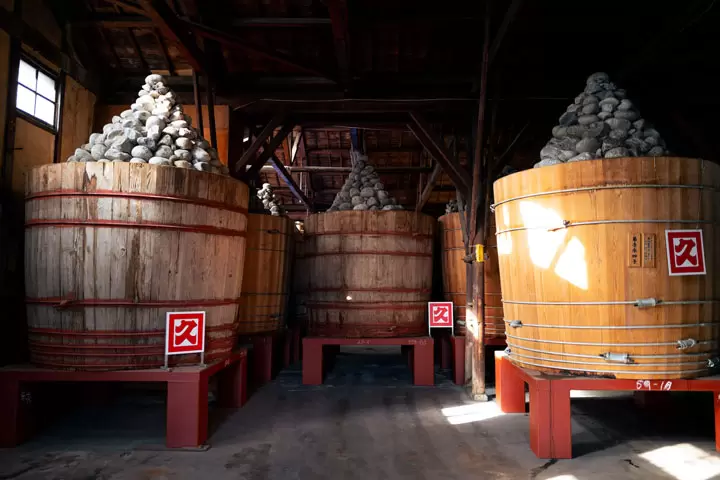
In addition to tamari soy sauce and mirin, Aichi Prefecture is home to many other fermented foods that are beloved by locals. Hatcho miso, produced in Okazaki, Aichi Prefecture, is a prime example. It is known for its rich umami flavor, created by using only soybeans and salt and aging it for a long period.
Visit Kakukyu Hatcho Miso (Hatcho Miso Village) in the Morning
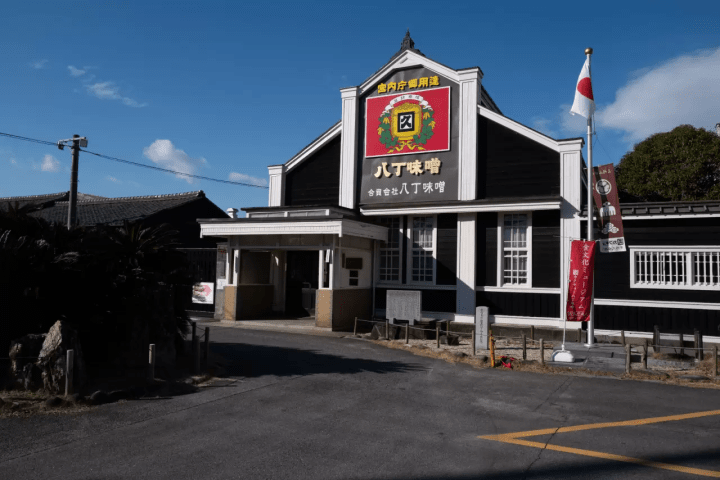
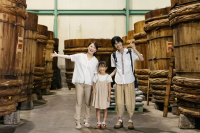
At Hatcho Miso Village, a Kakukyu facility, you can tour a Hatcho miso brewery. The manufacturing method, which has remained unchanged for hundreds of years, is still being passed down today, allowing you to experience the depth of Japan's fermented food culture. You can also purchase Hatcho miso at the shop on the premises.
Lunch at Okazaki Kakukyu Hatcha Village (Restaurant by Kakukyu)
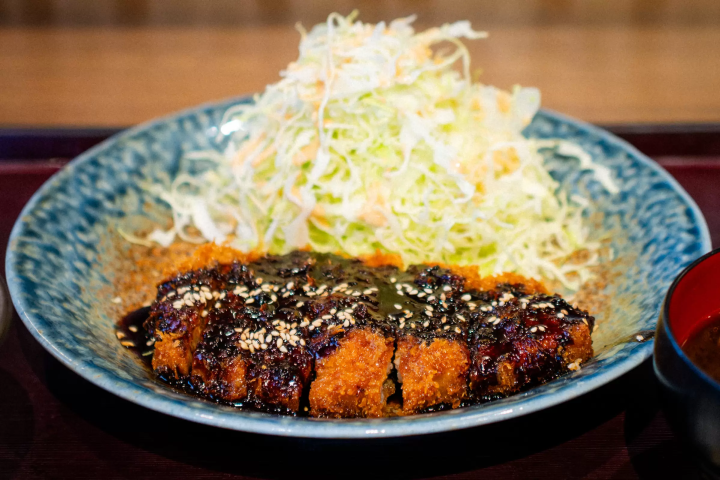
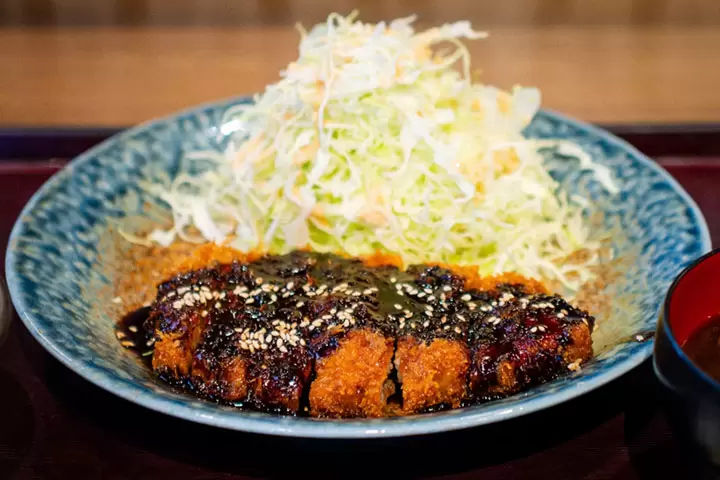
After the brewery tour, enjoy dishes made with Hatcho miso, such as miso-stewed udon noodles and miso katsu (pork cutlet with a miso-based sauce). You'll notice that the flavor varies greatly depending on the region, even when the same miso is used.
Okazaki Kakukyu Hatcho Village does not take reservations, so please visit the restaurant directly to secure a table.
Visit Okazaki Castle, the Birthplace of Tokugawa Ieyasu, in the Afternoon
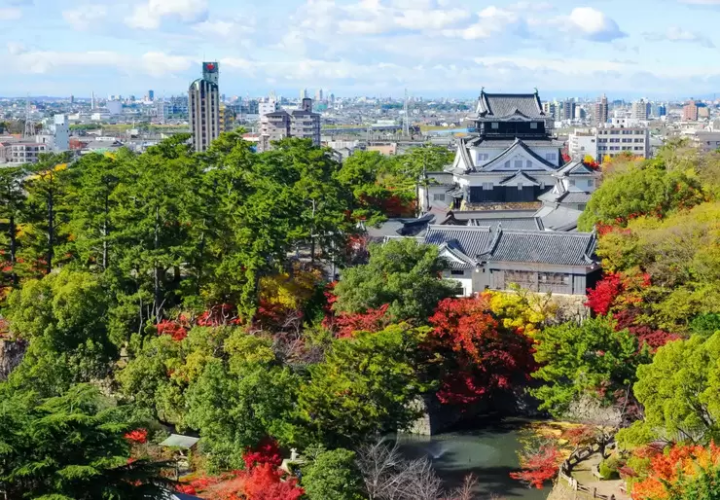
When visiting Okazaki, a tour of Okazaki Castle is a must. Okazaki Castle is a historical site known as the birthplace of Tokugawa Ieyasu, the military commander who founded the Edo Shogunate (1603-1868). Learning about the region's historical background, along with its fermented food culture, will deepen your understanding of your trip.
Okazaki Park is centered around Okazaki Castle, which is associated with the warlord who founded the Edo Shogunate, and the area is a place of relaxation for visitors.

After exploring Okazaki Castle and Okazaki Park, we'll head to Gifu. The direct JR train from Okazaki Station to Gifu Station takes about 50-60 minutes. There are many sights to see around Gifu Station, including the golden statue of Nobunaga and the historical townscape near Nagaragawa Onsen.
Day 3: Experience Gifu’s Fermented Food Culture and Nagara River’s Bounty
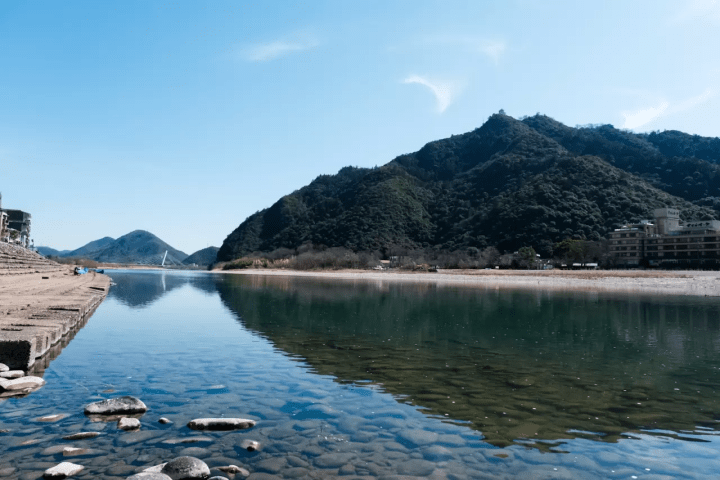
Gifu boasts a mountain range exceeding 3,000 meters in the northern Hida region, with major rivers such as the Kiso, Nagara, and Ibi flowing towards the plains in the south. The water from these rivers is renowned as Mino water, and the region is famous for its delicious fermented products, including miso, made using this high-quality water.
Learn History and Culture at the Nagara River Ukai Museum in the Morning
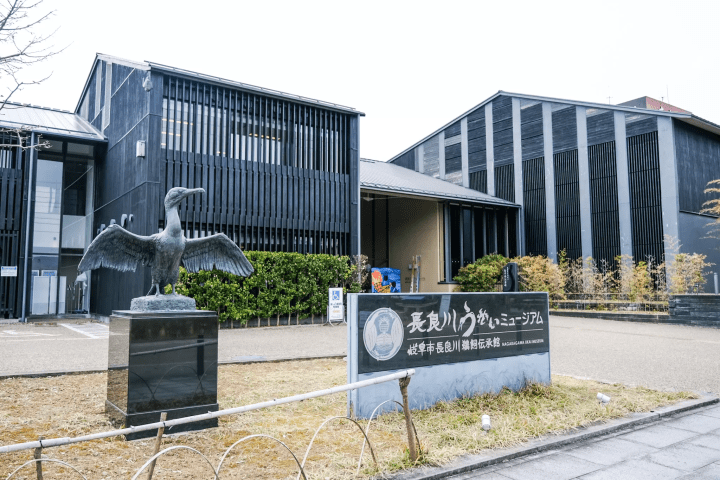
Cormorant fishing in Gifu is a traditional fishing method of the Nagara River with a history of over 1,300 years. These skills used by cormorant fishers to catch freshwater fish while controlling cormorants have a prestige that clearly distinguishes them from other regions, as they are the sole suppliers of ayu (sweetfish) to the Imperial Household as Cormorant Fishers of the Imperial Household Agency.
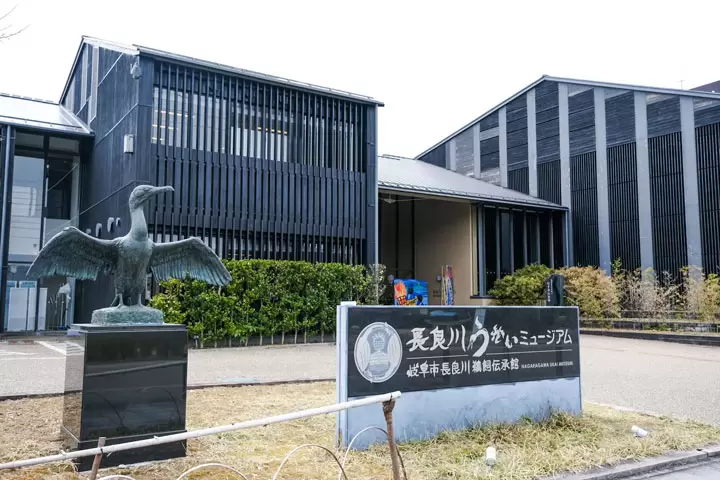
The Nagara River Ukai Museum offers an easy-to-understand exhibit on the history, fishing methods, and ecology of cormorants. In the guidance theater, which features a life-sized cormorant fishing boat and an illustrated scroll-style screen working in sync, visitors can immerse themselves in the world of cormorant fishing through a 10-minute video. The museum also offers services in English and Chinese (simplified and traditional), so foreign visitors can enjoy the facility with peace of mind.

The Nagara River has long been known as a source of high-quality water, which has sustained the rich food culture of the river basin, including the ayu caught through cormorant fishing. High-quality water is also essential for making fermented foods such as miso and sake, and the abundance of water in the Nagara River basin directly contributes to the innate delicious flavor of the fermented foods. Through a visit to the museum, we hope you will experience the cultural background of Gifu where water, food, and people are interconnected.
If you visit during the period between May 11th to October 15th during cormorant fishing season, be sure to also experience watching it at night.
Lunch at Qualite to Enjoy the Flavors of Gifu
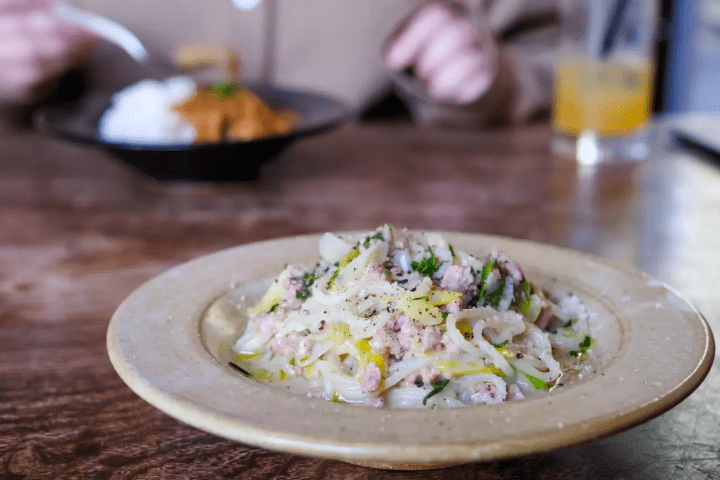
Qualite, a restaurant specializing in natural, additive-free cuisine, is a place you should visit in Gifu. This restaurant offers a course menu that reinterprets traditional fermented foods, including narezushi (salt-fermented sushi), as modern cuisine. Dishes that express the umami and acidity that develop over a long period through fermentation will bring a pleasant surprise. It has attracted attention from food connoisseurs both in Japan and abroad as a place to experience the profoundness of fermentation.
What does narezushi taste like? The following article provides a detailed explanation, along with the fermented food culture behind it.
Enjoy the Atmosphere of Nagaragawa Onsen in the Afternoon
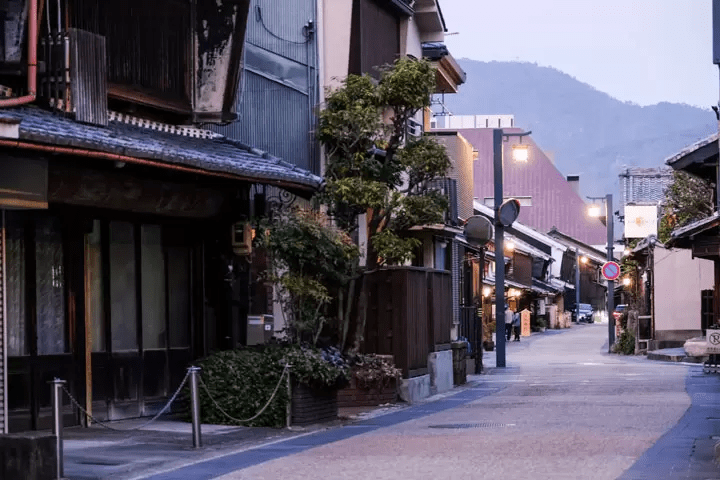
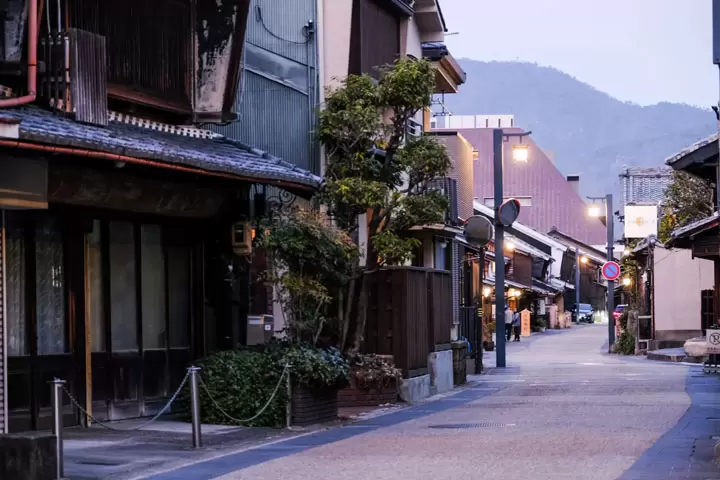
Along the banks of the Nagara River lies a charming hot spring town where even simply strolling around is incredibly relaxing. A walk through the town allows you to experience the old ways of Japan amidst its historic streets, and from May to October each year, you can even witness cormorant fishing along the riverbanks.
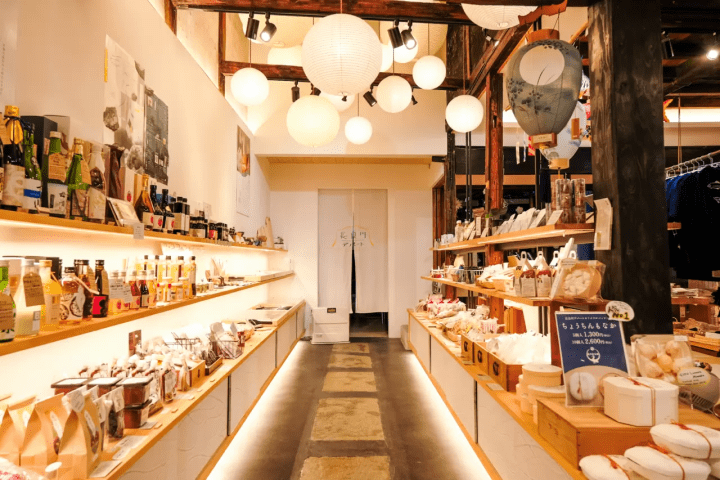
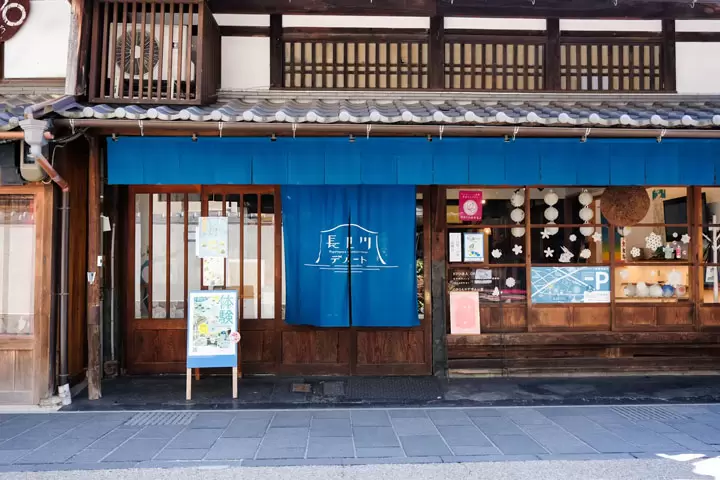
The Nagaragawa Department Store, which showcases food and crafts from the Nagara River basin, is another must-visit spot. It features fermented foods and other exceptional products rooted in local life, allowing visitors to connect with the philosophies and backgrounds of the producers. More than just a souvenir shop, it's a place where you can gain a comprehensive understanding of the river basin's culture.
After enjoying the area around the Nagara River, we'll head to Hida Takayama in the evening. From Gifu Station to Takayama, it takes between 2 hours and 10 minutes to 2.5 hours by express bus or limited express train. In Takayama, we highly recommend staying at a ryokan (traditional Japanese inn) and enjoying authentic Japanese hospitality. You may even be able to enjoy miso soup for breakfast, giving you a taste of the fermented food culture of the Chubu region.
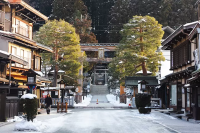
Day 4: Ending with a Tasting of Hoba Miso and Local Sake in Takayama
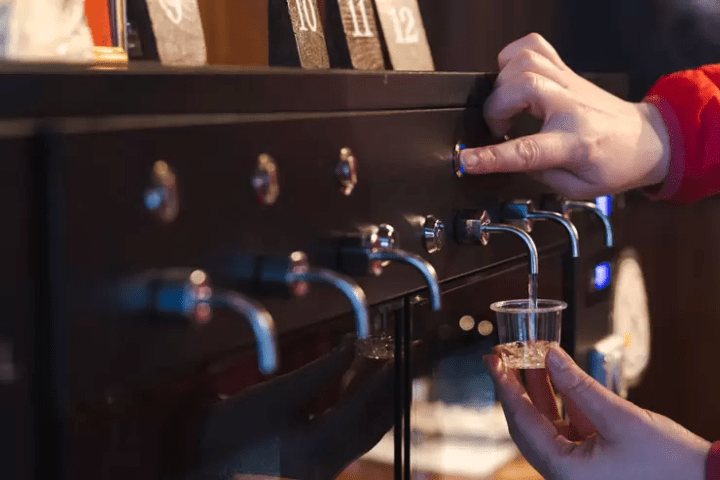
Takayama, located in the northern part of Gifu Prefecture, is a mountainous city that also acts as the heart of Hida. Surrounded by the Northern Alps, the Hida region is blessed with snowmelt water from the Northern Alps.
Sake brewed using this abundant snowmelt water along with miso used to make Hoba miso, a specialty dish of Hida, represent the local fermented food culture.
Be sure to experience Hida's fermented food culture for yourself.
Explore Lively Morning Markets and the Takayama Festival Floats Exhibition Hall
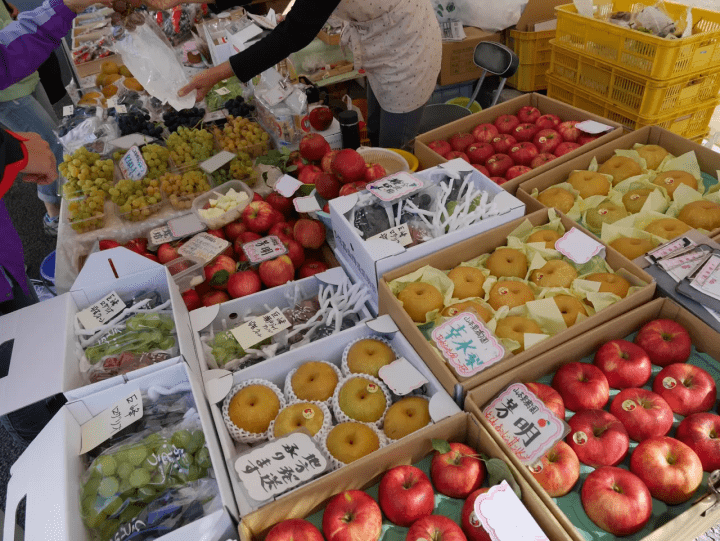
Takayama is home to the Hida Takayama Miyagawa Morning Markets, considered one of Japan's three major morning markets. Held early in the morning, the market makes it possible for visitors to stroll through the streets of Takayama while sampling local ingredients.
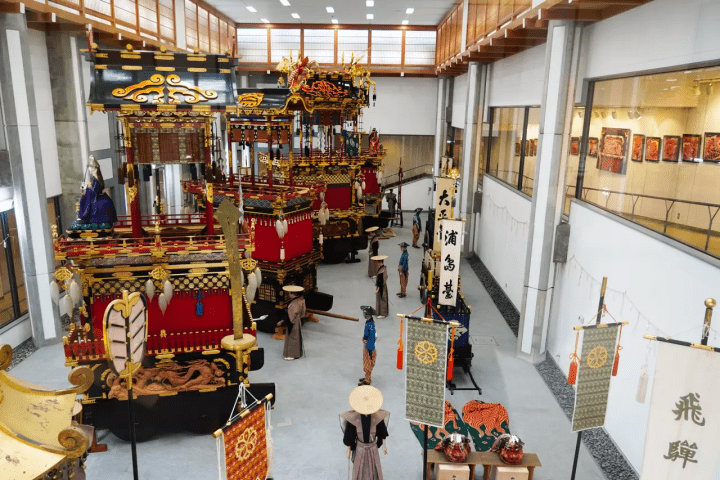
At the Takayama Festival Floats Exhibition Hall, located in the Miya River basin where the morning market is held, you can see the yatai (festival floats) used in the Takayama Festival during the spring and autumn. You can learn about the history of the Hida region, where a culture of craftsmanship is deeply rooted.
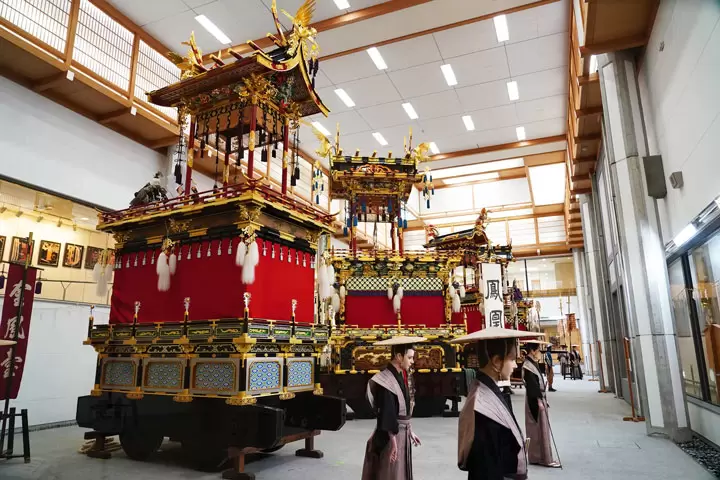
Lunch at Suzuya for their Famous Hoba Miso
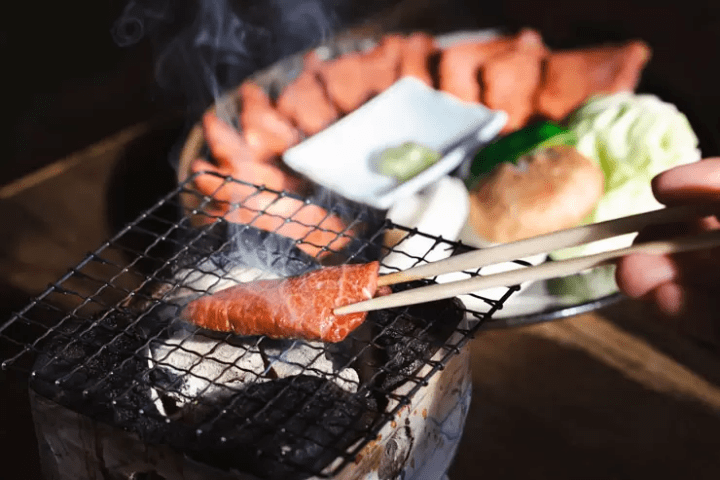
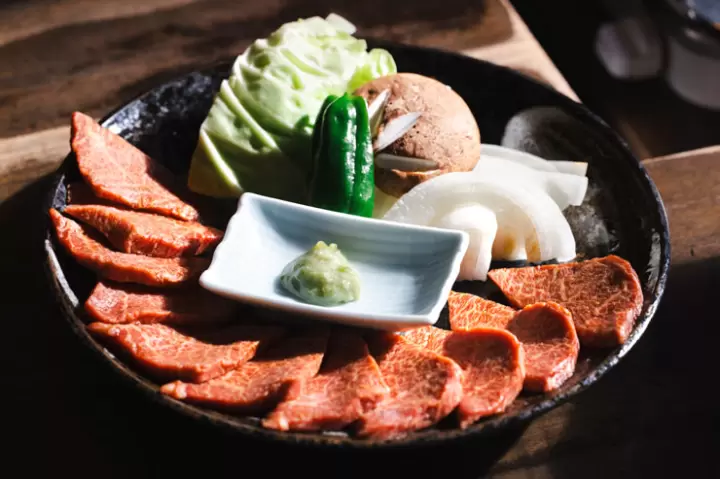
At Suzuya in Takayama, you can enjoy Hoba miso, a specialty of Hida. Hoba miso is a dish where homemade koji miso is placed on a large magnolia leaf and grilled. The magnolia leaf has a wonderful aroma and the ingredients grilled with the miso have a great flavor that makes you want to eat more rice.
Gifu Prefecture's food culture is relatively similar to that of the Kansai region with beef being a popular ingredient. The Hida region is also famous for its Hida beef, and at Suzuya, you can enjoy steak made with Hoba miso.
Currently, Suzuya is not taking reservations and is walk-in only, so please visit the restaurant directly.
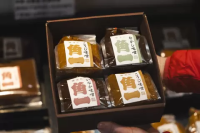
Discover Exquisite Miso at Kusabe Miso Soy Sauce Brewing
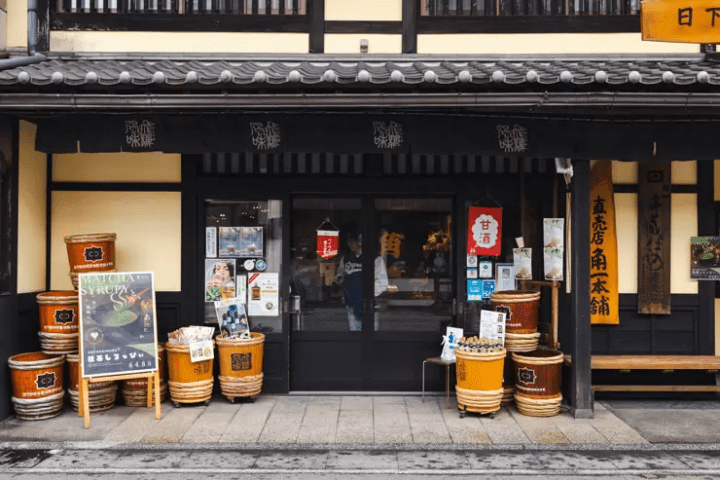
Kusakabe Miso Soy Sauce Brewing in Takayama boasts a history of over 130 years. Hida Takayama, with its harsh winters, is said to have a topography suitable for miso making.
Kusakabe Miso Soy Sauce Brewing produces miso using rice koji, soybeans, salt, and high-quality water from the Northern Alps. Their tamari soy sauce, made from this miso, is also a popular product.
To enjoy Hoba miso, a local dish from Takayama, at home, you can purchase Hoba miso sets at the Kusakabe Miso Soy Sauce Brewing’s shop.
Enjoy a Brewery Tour and Tasting at Hirata Sake Brewery
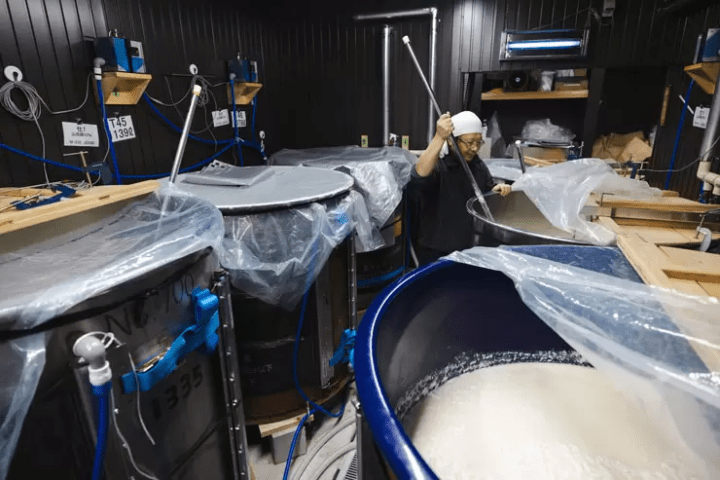
Hirata Sake Brewery, located in Hida Takayama, has been making sake since the Meiji period. Sake is made by fermenting rice with koji (malted rice), so the quality of the water used in brewing has a direct impact on the flavor because the ingredients are so simple.
Hirata Sake Brewery offers tours of its premises. The tour includes a guided tour of the brewery and a sake tasting at the end.
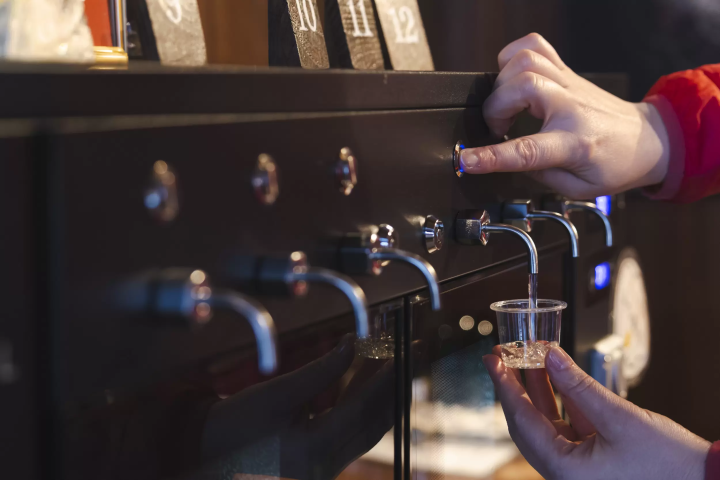
You can purchase your favorite sake at the shop, so we recommend taking your time during the tour to look around and find your perfect bottle.
Takayama is a hub for express buses and other transportation, making travel possible not only to Gifu City and Nagoya, but also to Toyama and Shinjuku.
Let's Take a Journey Through Fermented Foods
The fermented food cultures that have developed in each region—Nagoya, Okazaki, Gifu, and Hida Takayama—possess completely different characteristics, even when using the same miso or soy sauce.
Fermentation is not merely a food process; it's a culture that reflects the climate, history, and lifestyle of the people of a particular region. By following this route, you'll gain a more comprehensive understanding of the depth of Japanese cuisine.
If any of these spots pique your interest, take a look at the detailed articles and start planning your own fermentation-themed journey.
The contents on this page may partially contain automatic translation.