
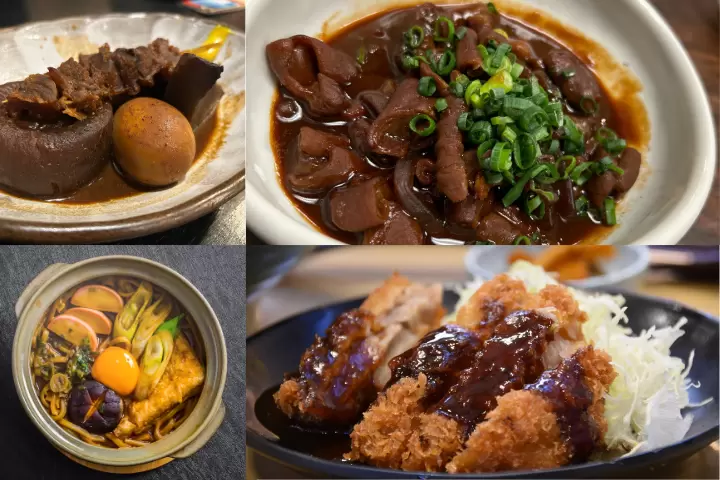
When visiting Nagoya, miso dishes are something you simply cannot miss! From miso katsu and miso nikomi udon to miso oden, Nagoya is home to a wide variety of dishes featuring miso. Discover the rich flavors of Nagoya's famous miso, said to have been loved by samurai, through all five senses!
2026.09.30Only in Nagoya Area in Japan? The Black Miso
If you've visited Japan, chances are you've tried miso soup at least once. But first-time visitors to Nagoya are often surprised by one thing: its color!
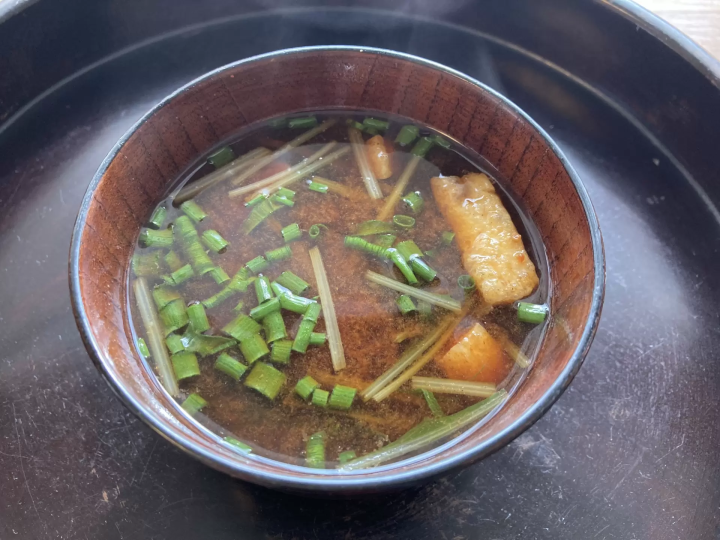
Why is it so dark?
The answer lies in the type of miso used in Nagoya cuisine: soybean miso (mame miso). Made from soybeans, salt, and water, it undergoes a long maturation process, resulting in a color much darker than most other miso varieties. Beyond its appearance, it is known for its rich umami flavor. In fact, the longer it is cooked, the more delicious it becomes. That's exactly why it is perfect for dishes such as miso nikomi udon and miso oden.
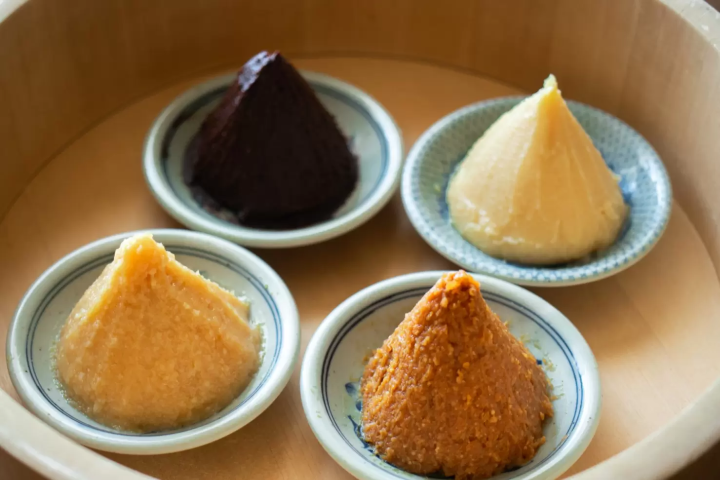
If you're exploring Nagoya's fermented food culture, simply eating the dishes isn't enough. By learning about the history, culture, and daily lives behind each dish, you'll gain an even deeper appreciation for soybean miso.
Eat soybean paste and feel like a samurai!
When talking about Nagoya's soybean miso, it's impossible to ignore its connection to the samurai.
Aichi Prefecture, where Nagoya is located, is known as the "home of the samurai." It gave rise to many famous warriors, including Oda Nobunaga, Toyotomi Hideyoshi, and Tokugawa Ieyasu, who helped unify Japan. During the Warring States period, soybean miso was valued in this region as a highly preservable food and is said to have served as an important source of nutrition during military campaigns.
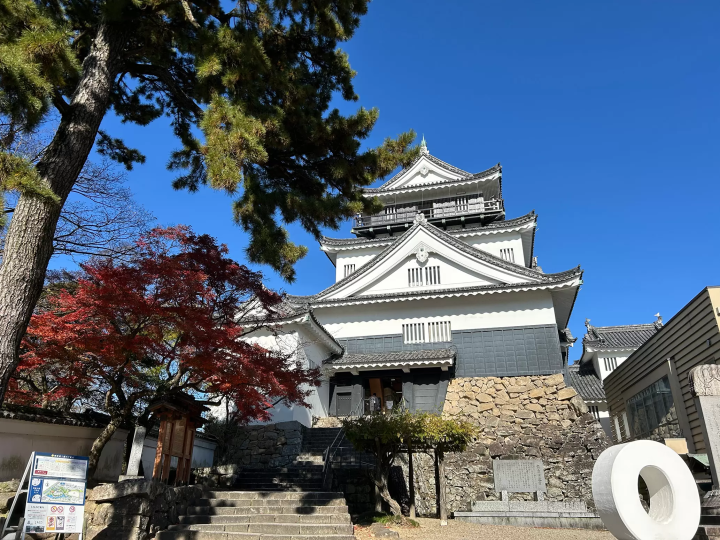
Among these historical figures, Tokugawa Ieyasu, who established more than 200 years of peace, is said to have been particularly fond of soybean miso. Known for his focus on health, he lived to the age of 75 in an era when average life expectancy was around 37 to 38 years. Some even say he regarded soybean miso as an essential food and closely protected its production methods from being shared outside the region.
Of course, we cannot claim that samurai were strong simply because they ate soybean miso. However, understanding that this long-lasting and nutrient-rich food supported warriors through years of conflict offers a fascinating new perspective on miso.
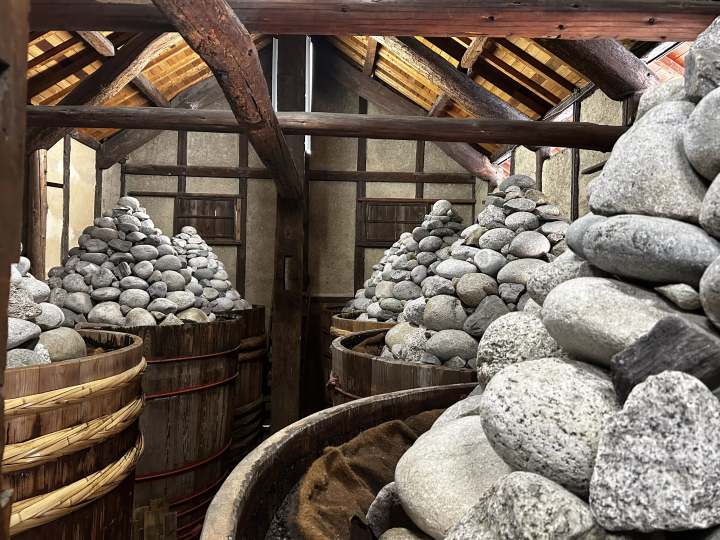
And this food culture did not end with the samurai era. Soybean miso brewing continued in Nagoya and eventually evolved into what is now known as Nagoya Meshi, Nagoya's distinctive food culture.
The next time you enjoy a miso dish in Nagoya, take a moment to reflect on a culinary tradition that has endured for more than 400 years.
It's not just miso soup! A la carte dishes made with soybean paste.
The appeal of soybean miso goes far beyond making miso soup. In Nagoya, it shapes the character of entire dishes.
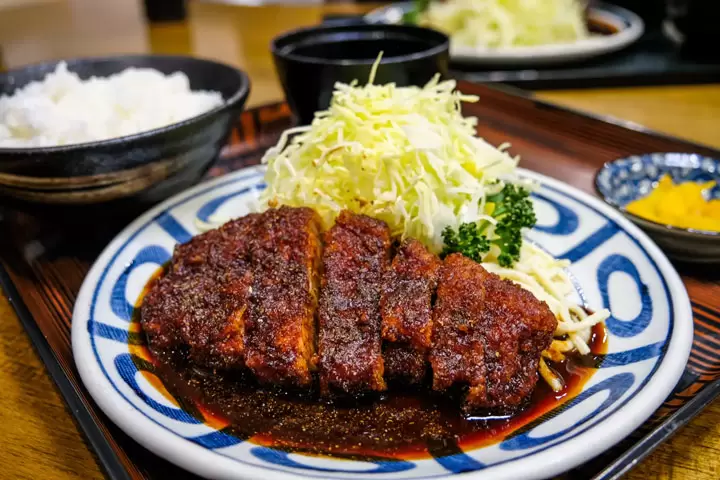
Perfect for Beginners: Sweet and Savory "Miso Katsu" (pork cutlet with miso sauce).
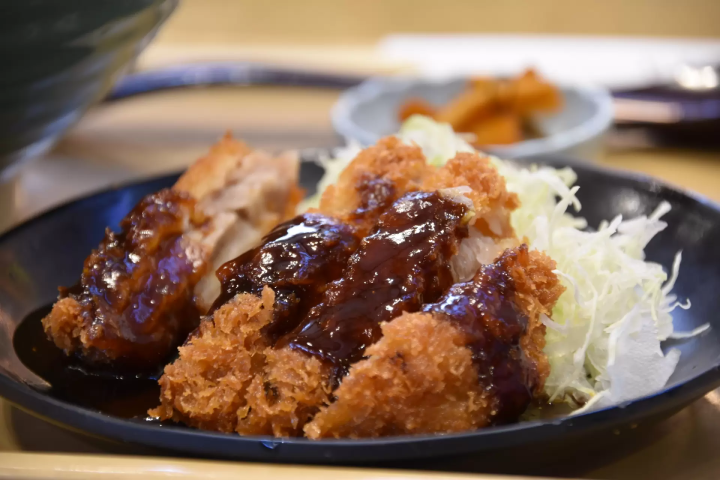
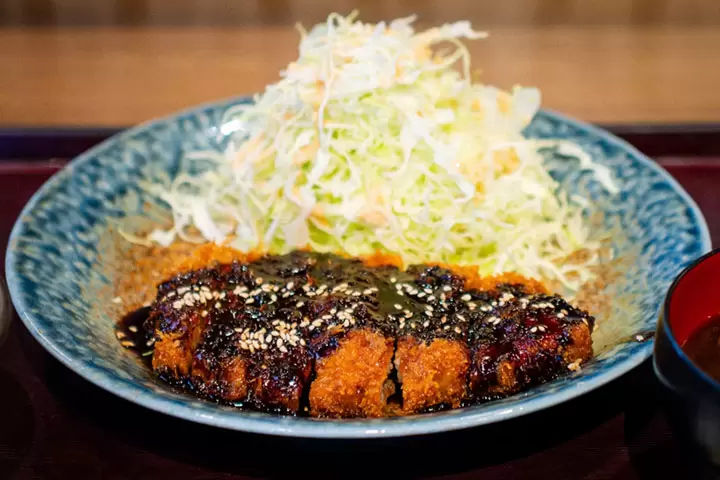
Even if you think soybean miso tastes a little strong, adding sweetness can completely transform it. That's why miso katsu, one of Nagoya's signature dishes, is the perfect introduction. Crispy pork cutlets are generously topped with a sweet and savory sauce made from soybean miso. Every restaurant has its own take on the sauce, making it fun to compare different versions.
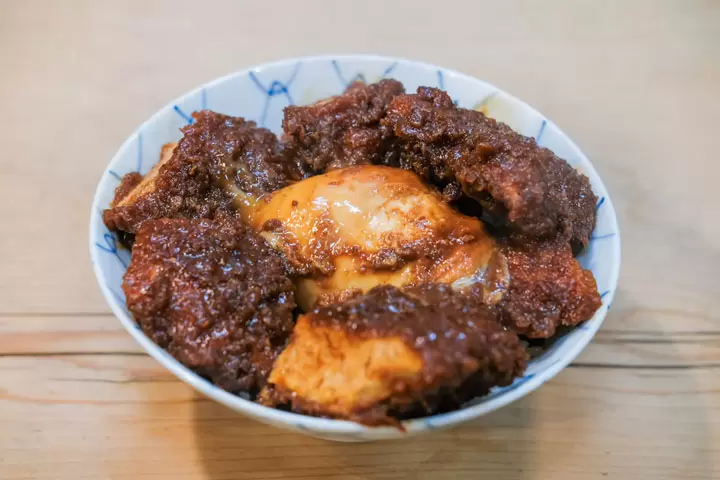
The Ultimate Soybean Miso Experience: Steaming Hot "Miso Nikomi Udon"
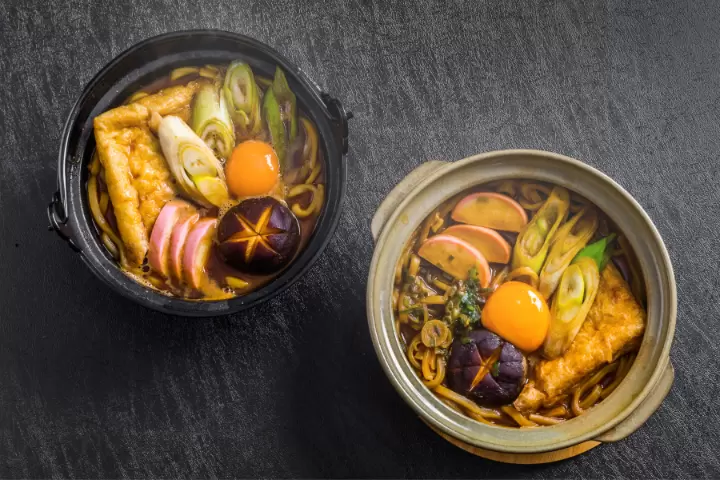
Another must-try dish is "miso nikomi udon". Even after simmering in a clay pot over high heat, the bold flavor of soybean miso remains intact, a quality unique to this style of miso. Specially made noodles are cooked and served piping hot.
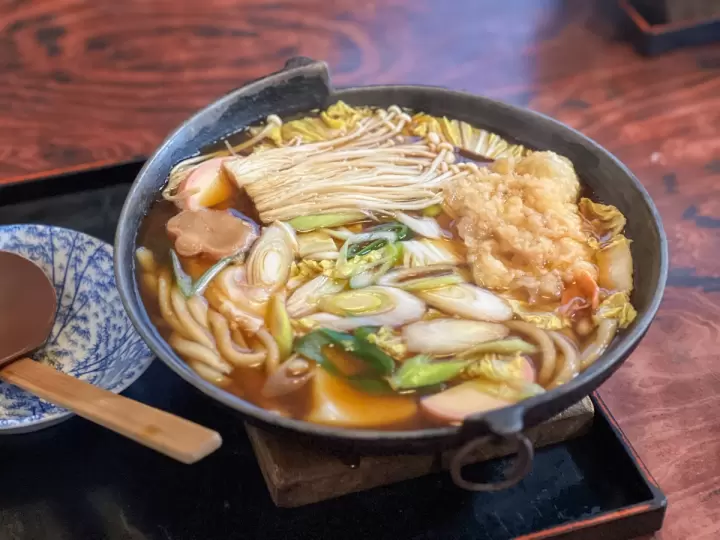

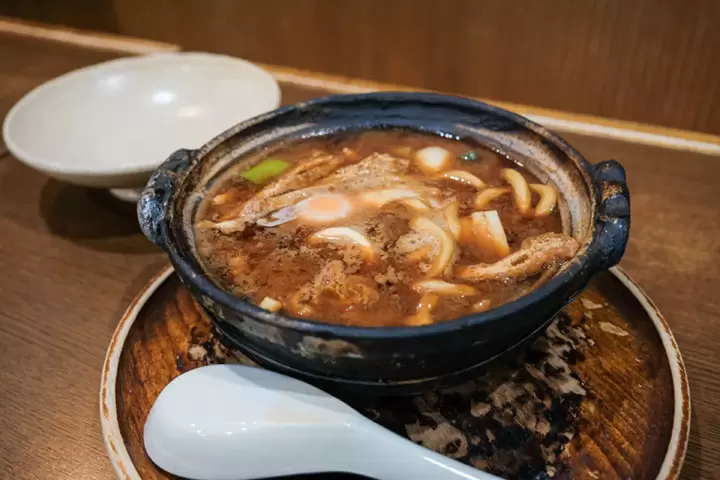
So Many More Ways to Enjoy Soybean Miso
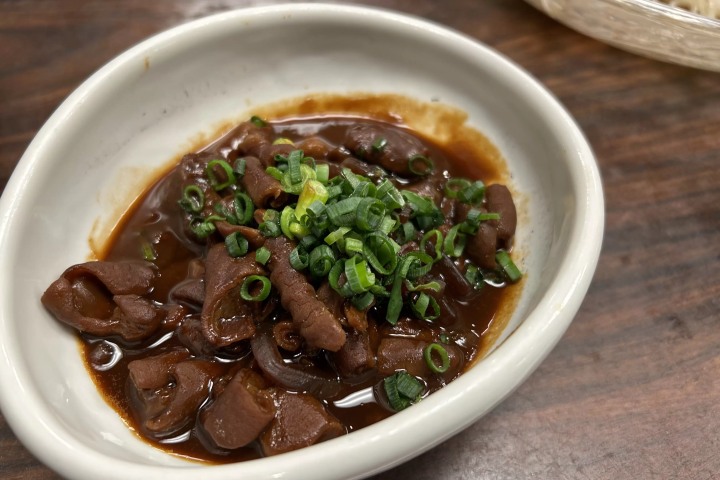
There's even more to discover, including miso oden, doteni (slow-simmered beef tendon stew), and miso dengaku. In Nagoya, the rich umami of soybean miso is used in different ways, poured over dishes, simmered into stews, or served as a dipping sauce.
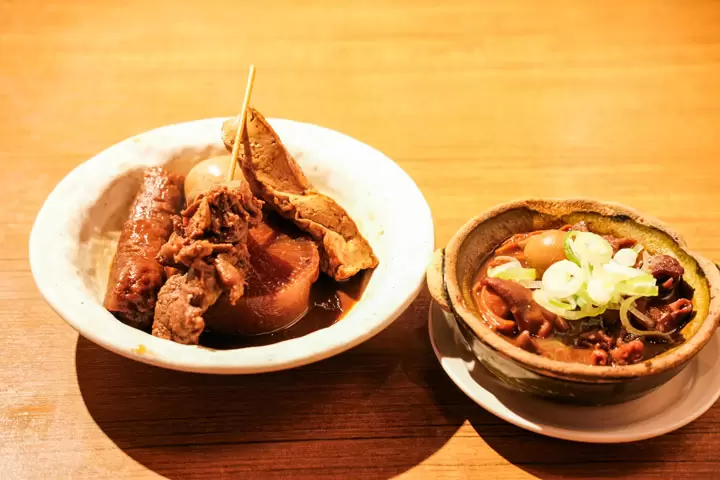
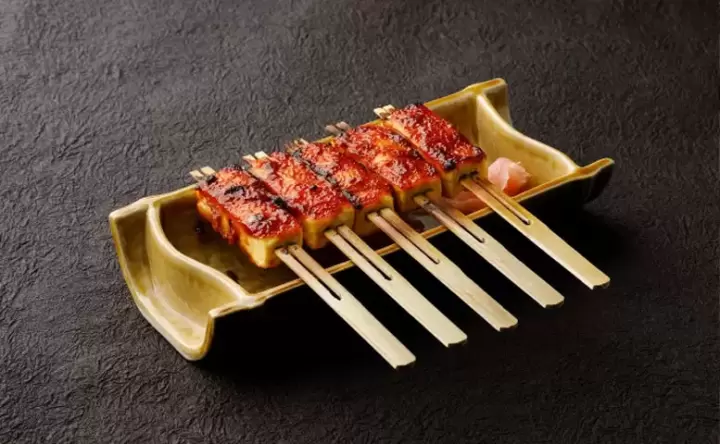
Once you've experienced the deliciousness of soybean miso, it's time to visit the breweries where it is made.
To the place where soybean paste is made.
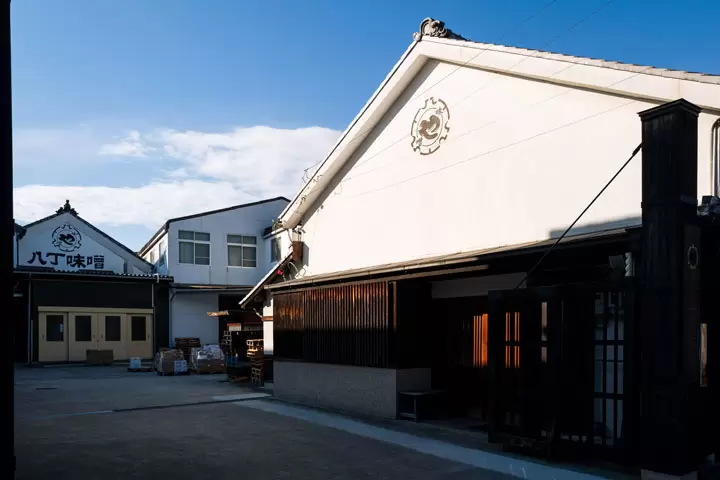
To truly understand soybean miso, consider visiting a brewery in person. Beyond the birthplace of Haccho Miso, Aichi Prefecture is home to many soybean miso breweries.
A brewery tour allows visitors to experience the time, craftsmanship, and dedication behind the product, things that cannot be understood by tasting alone. Enjoy a miso dish, then visit the brewery where the miso is made. The aroma of the brewery and the sight of traditional wooden barrels reveal that soybean miso is much more than a seasoning. It is a living part of the region's history and culture.
Explore the Birthplace of Hatcho Miso, Loved by Samurai
Haccho Miso originated in Okazaki City, Aichi Prefecture. Its name comes from the fact that it was produced approximately eight cho (about 870 meters) from Okazaki Castle, the birthplace of Tokugawa Ieyasu.
The two historic producers, Maruya Hatcho Miso and Kakukyu Hatcho Miso, have operated since the Edo period. One of their most impressive sights is the enormous wooden barrels topped with towering stacks of stones. Made from soybeans, salt, and water, soybean miso is aged for approximately three years.
Both breweries offer free tours without reservations, making them easy for travelers to visit.
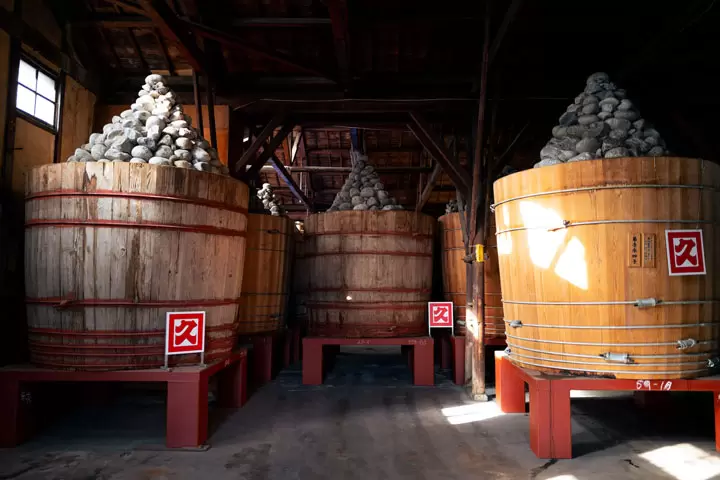
More Places to Experience Soybean Miso
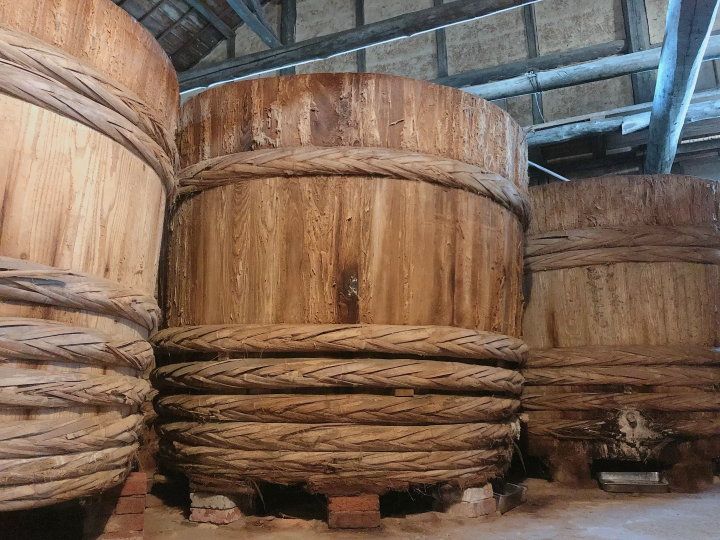
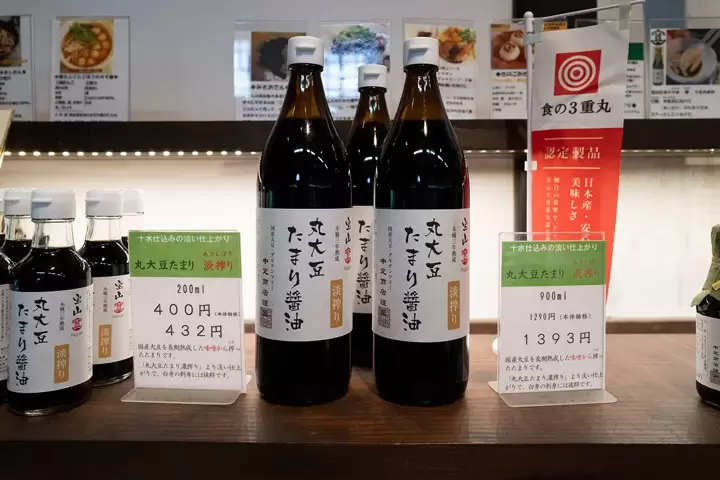
Nakasada Shoten in Taketoyo Town is a brewery founded in 1879. Using domestic soybeans and salt, it continues to produce naturally brewed miso and tamari soy sauce. Learning about tamari, which is said to have originated during soybean miso production, helps visitors understand how miso and soy sauce are deeply connected through the region's fermentation culture.
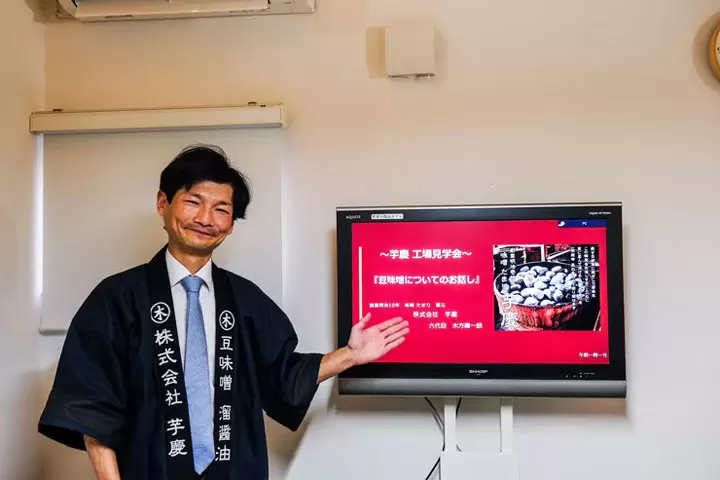
Imokei in Gifu City offers brewery tours in English. The brewery combines traditional production methods with modern management systems, creating a unique blend of old and new. Its well-stocked shop is worth visiting even if you are only interested in shopping.
Sato Jozo, located just 20 minutes by taxi from Nagoya Station, offers tours of its naturally brewed soybean miso brewery with traditional wooden barrels. Visitors can also enjoy bread, sweets, and other products made using its miso.
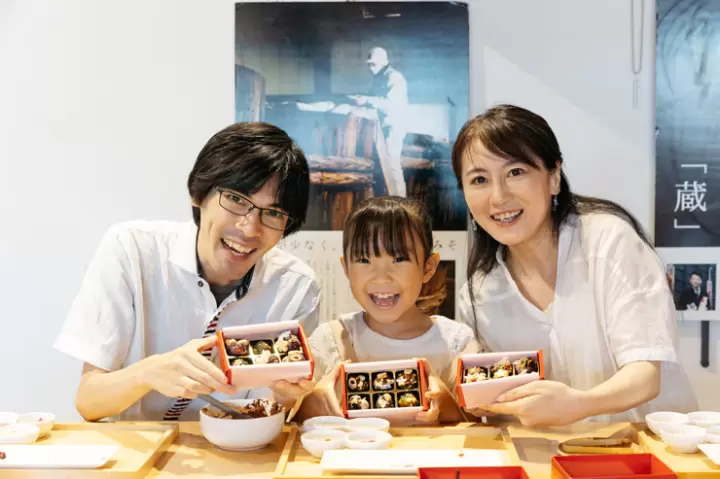
Reflecting on the journey with all five senses
As your journey comes to an end, consider bringing some soybean miso home as a souvenir.
The best choice is soybean miso itself. Once back home, you can use it in miso soup, stir-fries, meat dishes, and more to relive the flavors of your trip. The article below introduces simple soybean miso recipes that go beyond Japanese cuisine. Be sure to give them a try after returning home.
If cooking sounds a bit challenging, processed products made with miso are also excellent souvenirs. Aji no Kura Taketoyo offers a wide range of products made with soybean miso and tamari soy sauce from Taketoyo Town and the Chita Peninsula. There are even sweets such as miso castella cake that make wonderful gifts.
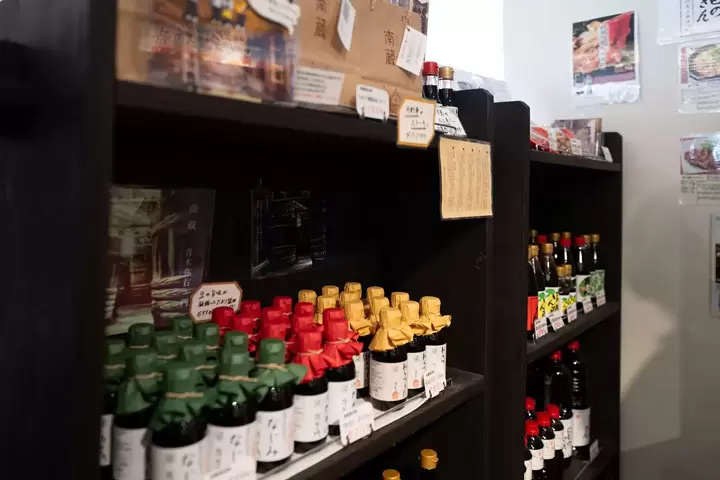
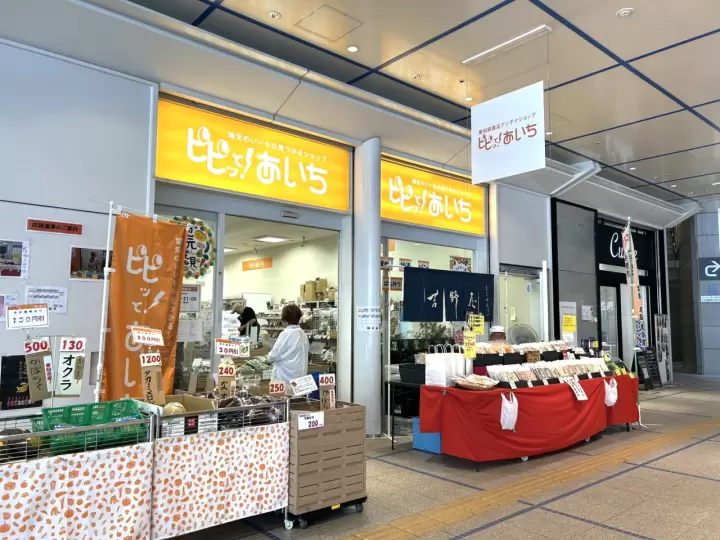
In Nagoya City, Pipitto! Aichi is conveniently located and offers a variety of fermented seasonings from Aichi, including soybean miso, tamari soy sauce, white soy sauce, and vinegar. It's an ideal place for last-minute souvenir shopping.
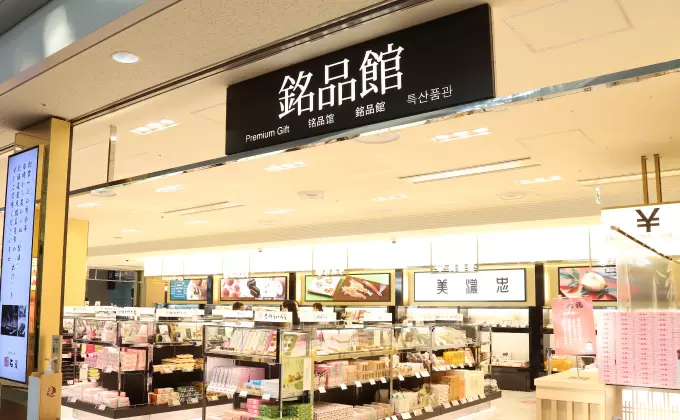
And if you forget to buy souvenirs, don't worry! Chubu Centrair International Airport also offers a selection of soybean miso products.
Enjoy miso katsu, savor miso nikomi udon, visit breweries to see how soybean miso is made, and bring home your favorite product. What may first appear to be nothing more than a dark-colored miso can, through seeing, touching, smelling, and tasting, become a gateway to Nagoya's history, culture, and everyday life.
The contents on this page may partially contain automatic translation.