
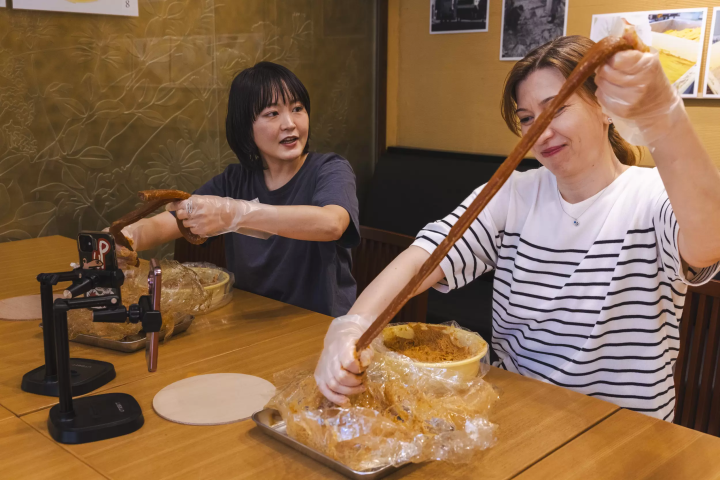
Discover Nagoya’s Moriguchi-zuke pickles at Yamatoya in Sakae, through a hands-on pickling workshop and a meal celebrating the art of fermented food.
2026.08.17Moriguchi-zuke Pickles: A Luxurious Taste of Nagoya
In our HAKKO stories, we highlighted Nagoya as a hub for Aichi Prefecture’s finest fermented foods. Beyond everyday staples like miso paste and soy sauce, Nagoya also boasts luxurious fermented items reserved for special gifts and occasions.
One of these premium products is Moriguchi-zuke, a signature Nagoya delicacy made by pickling long Moriguchi daikon radishes (grown mainly in Aichi and Gifu) in a rich mix of sake and sweet mirin lees.
Yamatoya Moriguchizuke Souhonke Co, Ltd. is a famous maker of Moriguchi-zuke pickles. At their flagship store in Sakae—just steps from Oasis 21—you can join a hands-on Moriguchi-zuke pickling workshop. The experience includes tastings and a meal voucher for one of Yamatoya’s local restaurants, making it a fantastic way to taste some of Nagoya's best culinary offerings firsthand.
Read on to discover what makes this pickled daikon such a prized delicacy, and learn how you can join the experience yourself.
The World’s Longest Radish! What is Moriguchi Daikon?
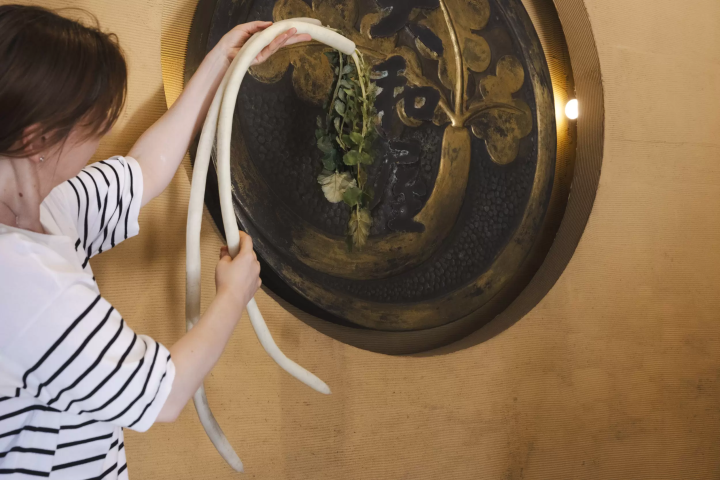
The Moriguchi daikon is a rare Japanese radish famous for its incredible length—averaging around 1.8 meters (nearly six feet). It even holds a Guinness World Record for the longest radish, with one specimen stretching 1.917 meters!
Originally native to Moriguchi City in Osaka, this specialty radish is now mainly grown along the Kiso River in Aichi and Gifu prefectures. Planted in September and harvested about 90 days later, the radishes require deep, sandy soil to stretch downward—making the Kiso riverbanks an ideal growing environment.
Unlike typical radishes, Moriguchi daikon is densely fibrous, making it too tough to eat raw or cooked. For centuries, it has been cultivated exclusively for Moriguchi-zuke (pickled Moriguchi daikon, derived from tsukemono, the Japanese word for pickles).
Because authentic Moriguchi-zuke requires a complex, multi-year curing process, it is rarely made at home. Instead, master artisans work directly with contracted farmers, which is why you’ll never find fresh Moriguchi daikon sitting in local grocery stores.
How Moriguchi Daikon is Pickled at Yamatoya
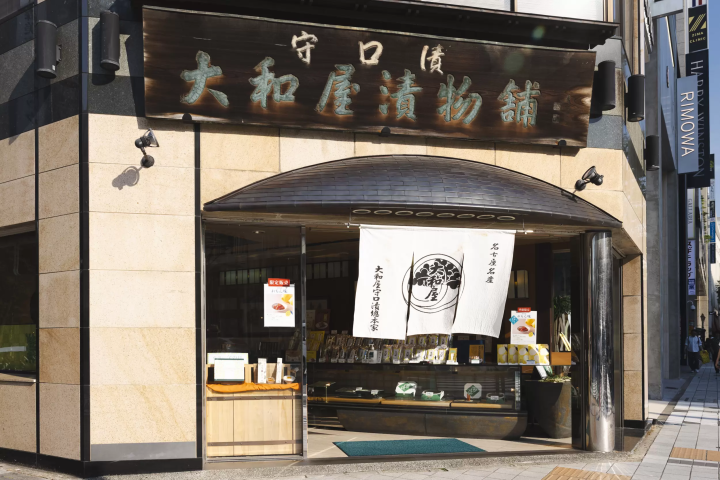
The Nagoya-based Yamatoya has been perfecting the art of Moriguchi-zuke pickles since 1871. Moriguchi-zuke is a variation of Nara-zuke—a famous style of pickle originally from Nara and Kyoto. But while traditional Nara-zuke relies primarily on sake lees for pickling, Yamatoya blends in mirin lees as well. This extra ingredient adds a subtle, luxurious sweetness that sets their pickles apart.
Mirin—a staple Japanese cooking sweet sake—is a prized specialty of Hekinan City in Aichi. Once the sweet liquid is pressed, the remaining nutrient-rich mirin lees make a fantastic pickling medium. Surrounded by Aichi’s rich fermentation culture and abundant local mirin, using these lees was a natural choice for Yamatoya.
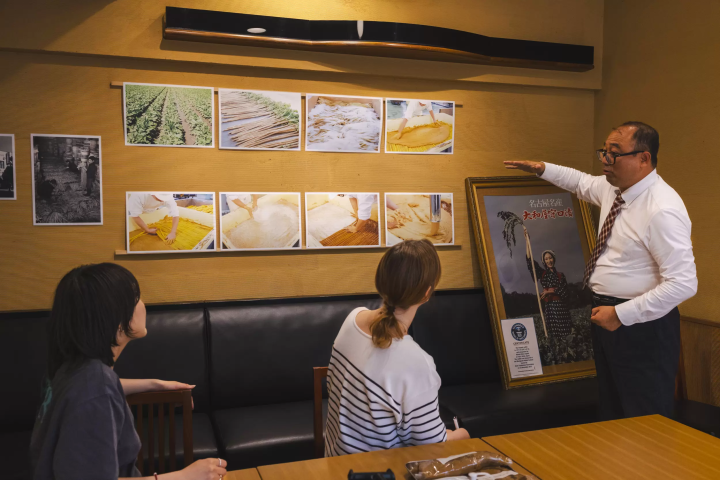
The process of making Moriguchi-zuke spans five stages. First, the daikon is pickled in salt twice to draw out excess moisture and remove its astringency. Next, it undergoes two stages of aging in rich sake lees. Finally, the radishes are pickled for three months in a blend of sake lees, mirin lees, and coarse sugar.
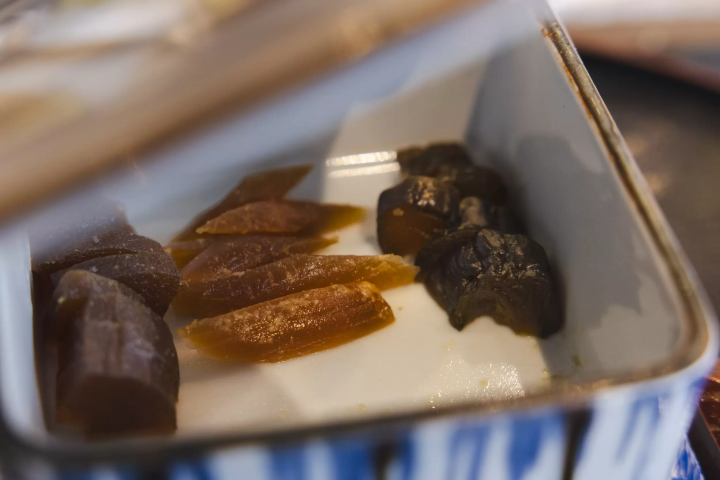
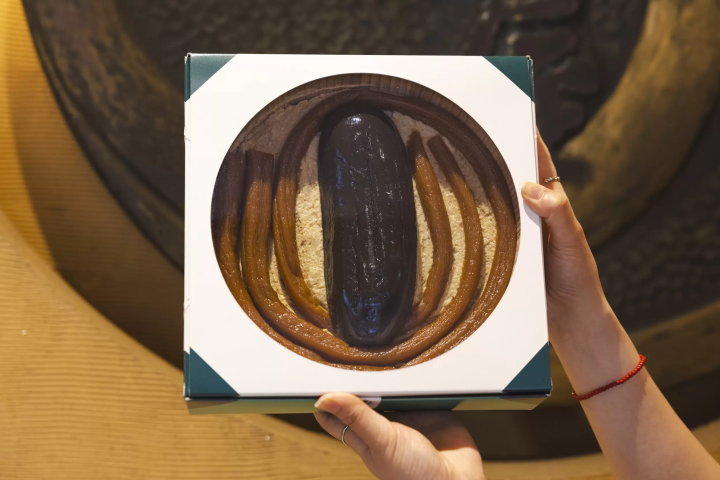
It takes about two and a half to three years for moriguchi pickles to fully mature. The result is a beautiful amber-colored pickle with a mellow sweet and salty flavor and a deep, rich aroma. It pairs perfectly with freshly cooked white rice and green tea, as well as with sake and other alcoholic beverages!
Because it is a rare delicacy that requires years of skilled artisan labor, Moriguchi-zuke is a prized gift for special occasions—especially for Ochugen (Japan's mid-summer gift-giving tradition) and major celebrations. Naturally, it also makes an excellent souvenir from Nagoya.
The Moriguchi-zuke Pickle-Making Experience in Nagoya
As Moriguchi-zuke is a point of pride for Nagoya, Yamatoya offers a unique hands-on workshop at their flagship store in Sakae. Here, visitors can try their hand at the fifth and final stage of the pickling process. You can book the activity online via Activity Japan, or make a reservation at the main store in person if you're staying in Nagoya for several days.
The workshop runs Monday through Thursday starting at 16:30 and lasts about an hour. It finishes just in time for dinner at Suzunami, a restaurant operated by Yamatoya located in the underground shopping street near Sakae Station (you’ll receive a map during the workshop).
One of the biggest highlights? Getting to see and touch an actual Moriguchi daikon! You might have to see it to believe it, but these radishes really are well over a meter long.
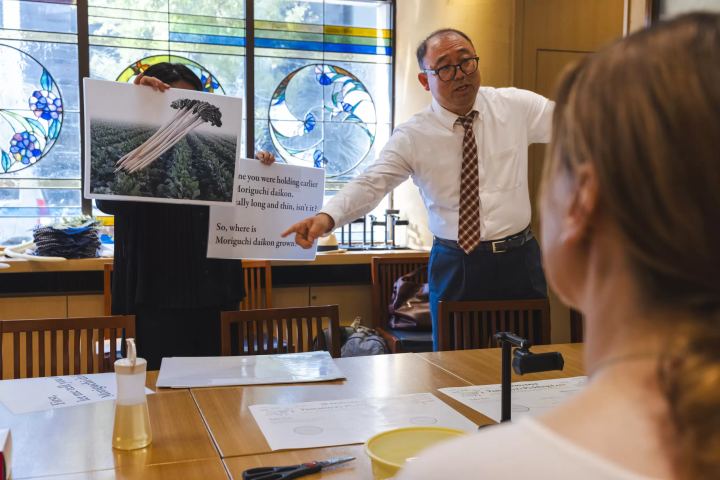
Next, a brief English presentation—complete with photos and illustrations—walks you through Yamatoya’s traditional pickling process. Seeing images of master artisans at work and watching how the radishes transform color stage by stage truly reveals how painstaking this craft is.
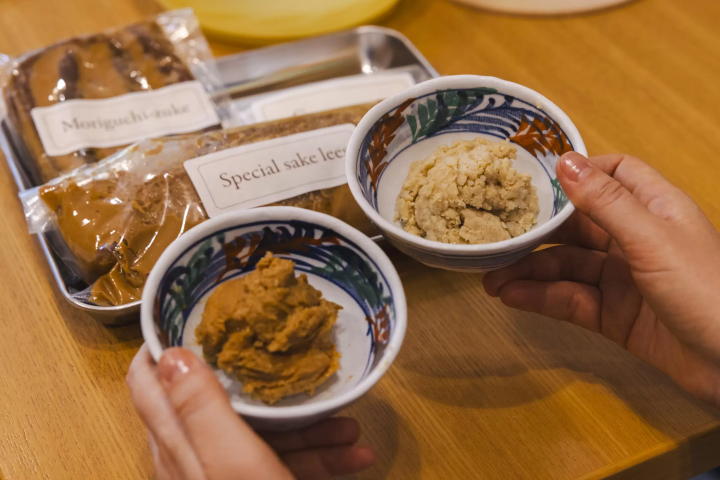
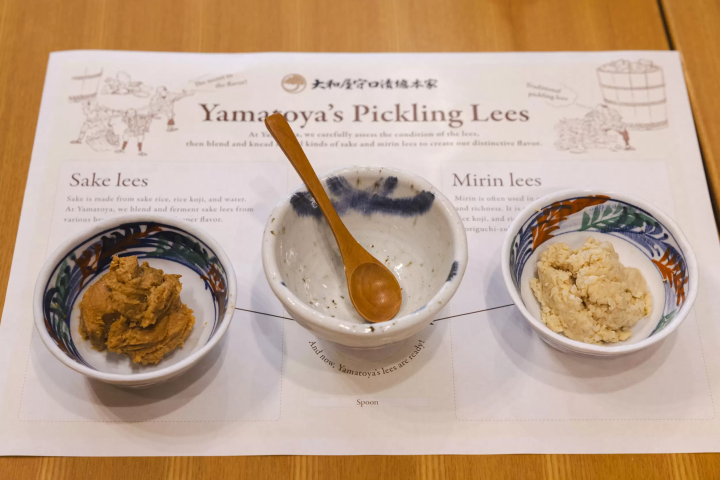
During the hands-on part, you’ll get samples of sake lees and mirin lees to compare their distinct aromas and color. It’s fascinating to see how Japanese culture repurposes these nutrient-rich by-products rather than wasting them—using them not only for pickling, but even in skincare and cosmetics!
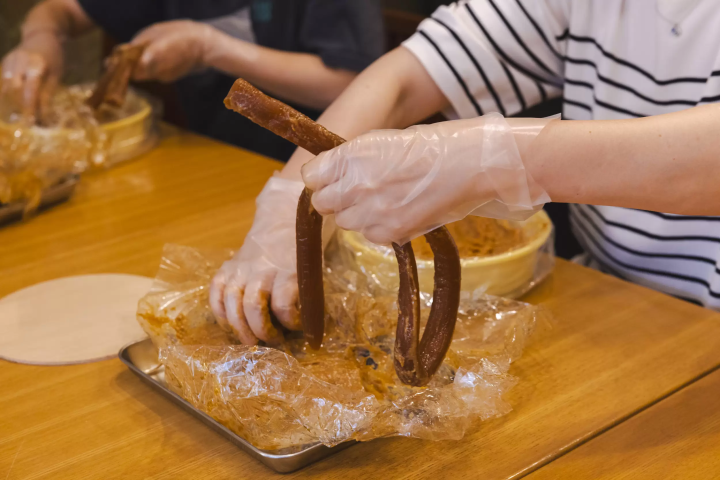
Guided by Yamatoya’s staff, you’ll carefully wipe away the fourth-stage sake lees from your daikon. Then, you'll lay it on a fresh bed of blended sake and mirin lees, sprinkle it with coarse sugar, and top it with a final layer of lees.
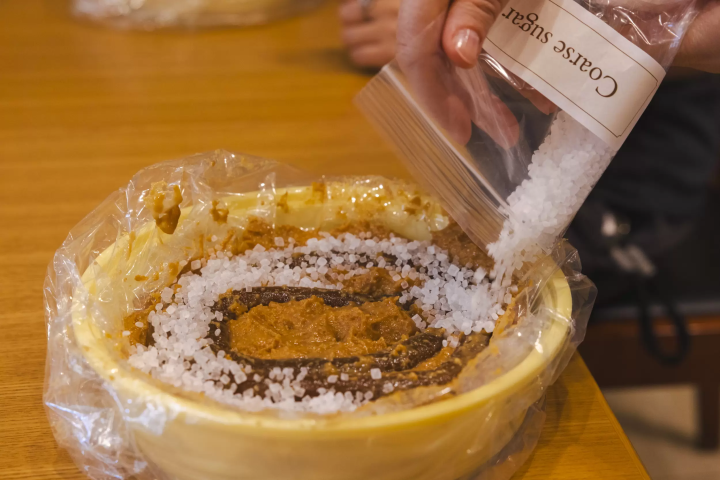
Throughout the process, the air fills with a delicious aroma—a rich, sweet fragrance from the mirin lees that will have you eagerly anticipating your first bite.
Once your container is sealed, you'll write down the open date: exactly three months from workshop day. When that day arrives, you’ll be able to open your hand-crafted batch and share the authentic taste of Japanese Moriguchi-zuke pickles with friends and family back home.
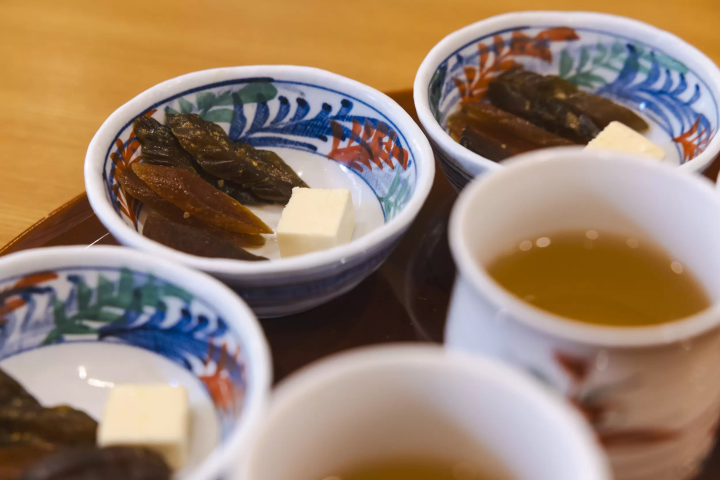
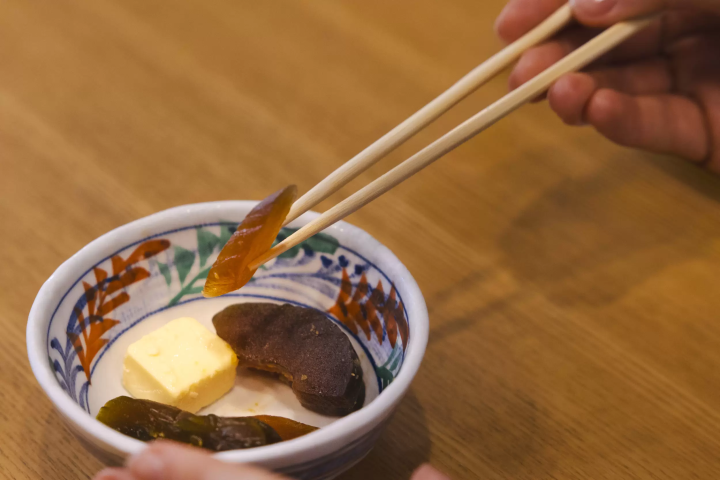
To cap off the activity, you’ll get to sample three of Yamatoya’s signature pickles, including their famous Moriguchi-zuke. As you experience their deep, complex fragrance and rich flavor firsthand, it immediately becomes clear why these artisan pickles have been cherished as high-end gifts for generations.
Nagoya Flavors and Souvenirs From the Yamatoya Main Store
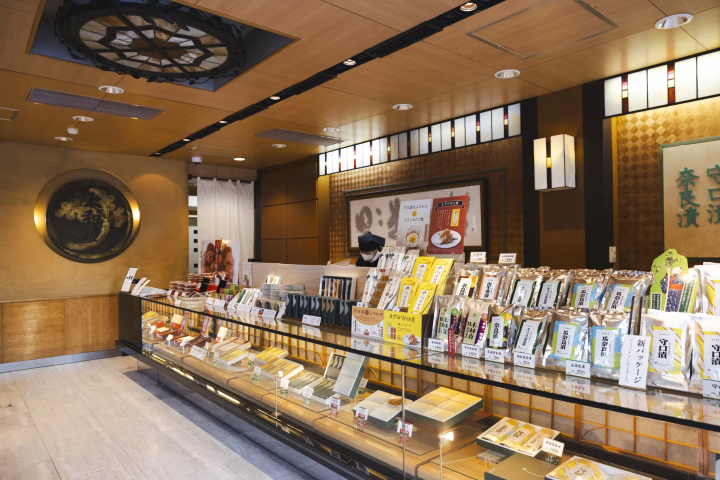
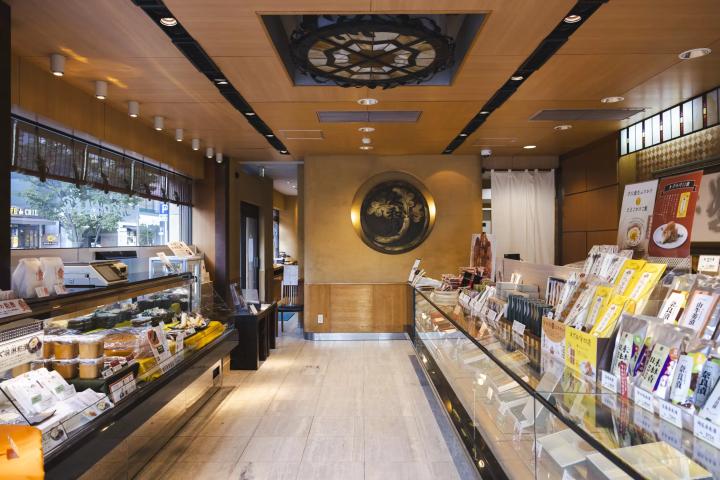
As you’ll notice the moment you step inside, the Yamatoya Main Store is a treasure trove of unique souvenirs from Nagoya.
Traditionally, Moriguchi daikon pickles are packaged in classic round containers, packed in rich pickling lees so the recipient can appreciate the artisanal craftsmanship behind them. Our tip: Don't rinse off the lees! Instead, simply slice the pickled daikon into bite-sized pieces and serve them alongside a small dab of the fragrant lees.
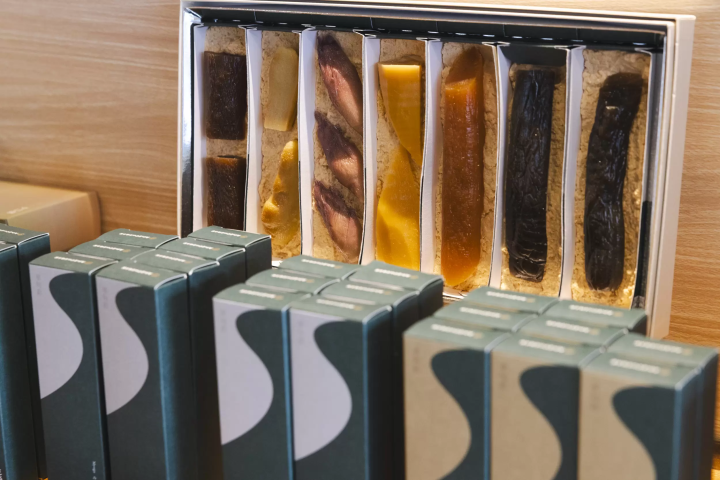
For easier traveling, Yamatoya also offers Moriguchi-zuke in compact, travel-friendly packs. You’ll also find a variety of traditional Nara-zuke varieties, including cucumber, bamboo shoots, baby gourd, and standard daikon.
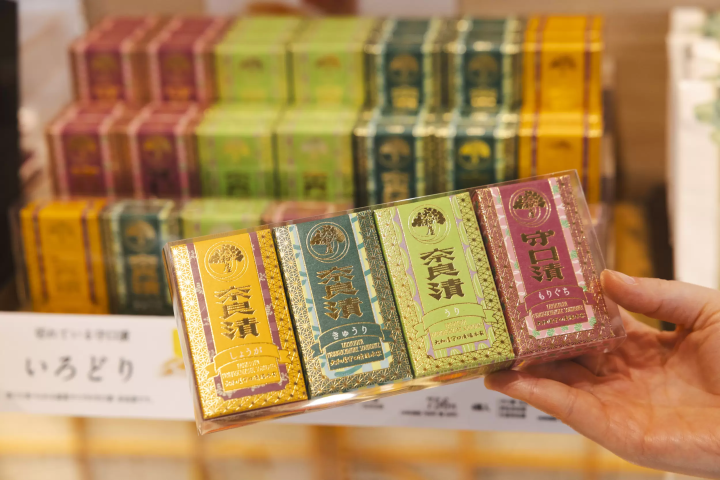
Our personal favorite was their colorful mini gift boxes, which feature sampler portions (17g each) of Moriguchi-zuke and Nara-zuke. They’re perfect for tasting different flavors or sharing with friends back home. You can mix and match your favorites or buy them as a curated gift set.
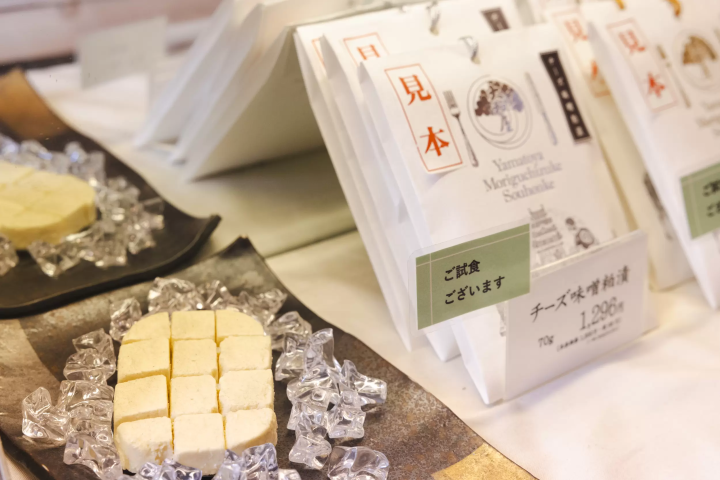
Another product that caught our eye was the cheese pickled in mirin or miso lees. This Japanese fermentation twist transforms the cheese, infusing it with a subtle sweetness and a rich, fragrant aroma. Best of all, Yamatoya offers free samples so you can try it before you buy!
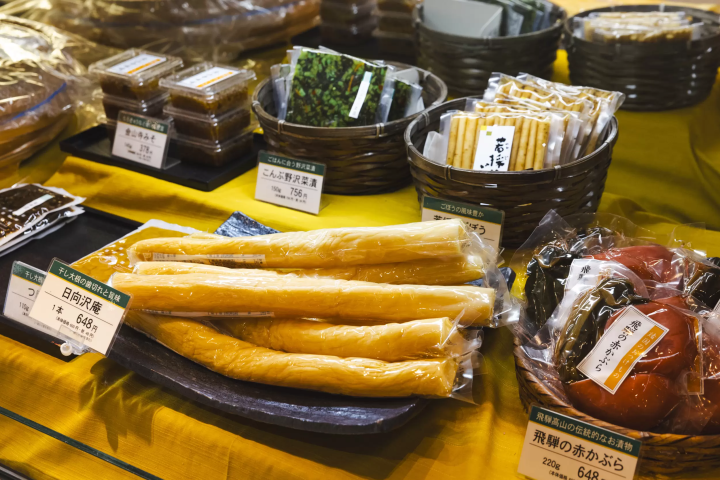
Yamatoya’s shelves are lined with a wide array of pickles, including seasonal offerings. Be sure to browse the collection and take home a few of these luxurious flavors—they truly speak volumes about Nagoya's rich artisan culture.
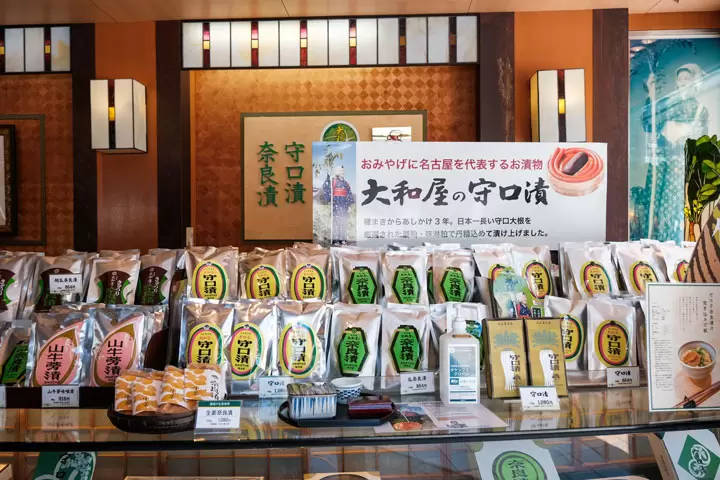
Dining at Suzunami: Feast on Nagoya Flavors Enhanced Through Fermentation
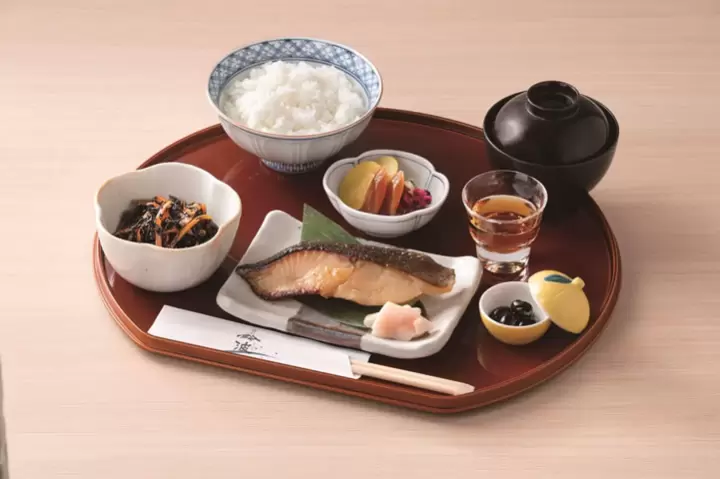
The Moriguchi-zuke workshop includes a 2,200-yen meal voucher for Suzunami Sakae Mori no Chikagai, a beloved local chain directly operated by Yamatoya. Suzunami is famous for its fish cured in sweet mirin lees (kasuzuke). Please note that the meal voucher is only valid on the day of the activity.
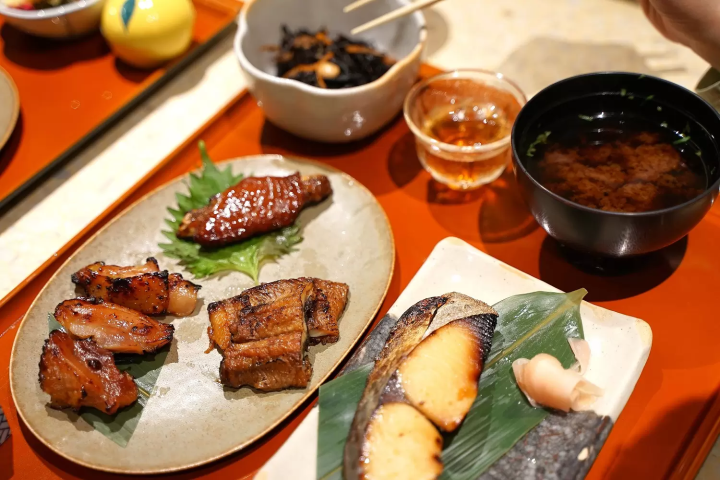
After the hands-on experience, you can stroll right over for dinner using the map provided. While you can order anything on the menu, Yamatoya recommends the Nagoya Zanmai Suzunami Gozen set meal. It’s a complete showcase of Nagoya’s iconic flavors, featuring:
- Mirin-lees Cured Fish: Perfectly grilled with a rich, savory umami and a hint of sweetness that will leave you wanting seconds.
- Nagoya Flavors: A trio of local delicacies—unagi (eel), chicken, and chicken wings—all glazed and grilled to perfection with mirin.
- Hatcho Miso Soup: Made with Nagoya’s signature deep, dark fermented soybean paste.
- Assorted Pickles: Highlighted, of course, by crisp and fragrant Moriguchi-zuke.
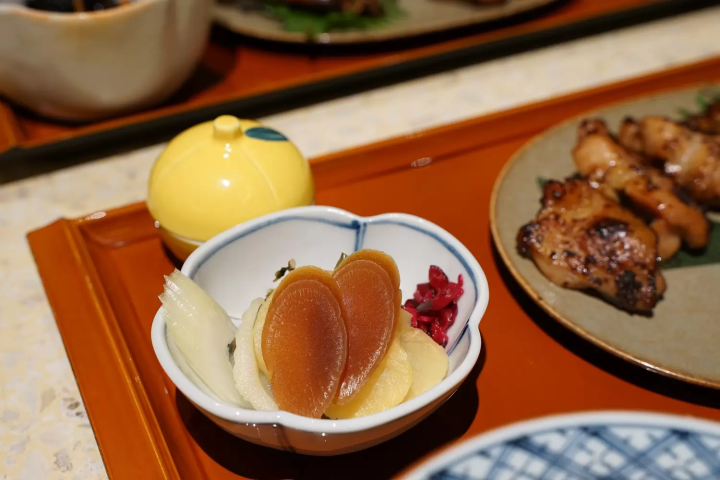
As you eat, you'll see firsthand how Moriguchi-zuke complements the main dishes—cleansing the palate, adding a refreshing crunch, and stimulating your appetite.
It’s a deeply satisfying meal packed with rich regional flavors, leaving no doubt as to why Nagoya is so celebrated for its vibrant food culture. You'll also notice just how popular Suzunami is with locals, who patiently queue up for a table. It has truly become a beloved staple of Nagoya’s dining scene.
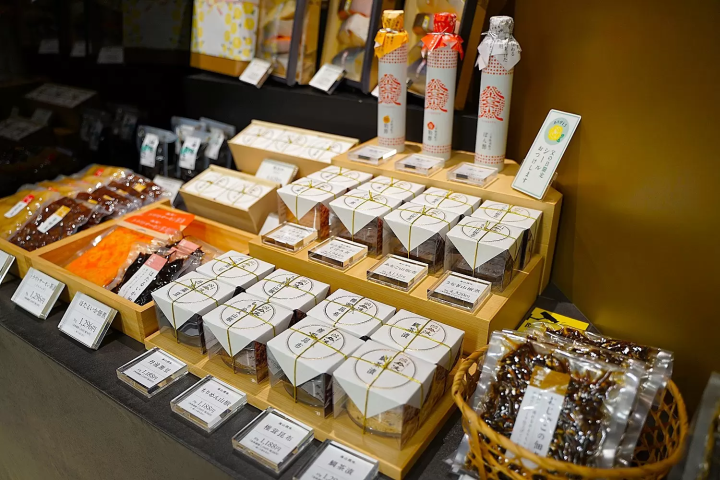
Before you leave, check out the shop counter at the front of the restaurant. They sell packaged mirin-cured fish ready to cook at home, along with refreshing vinegar-based drinks from Yamatoya's sister brand and other gourmet treats.
Summary
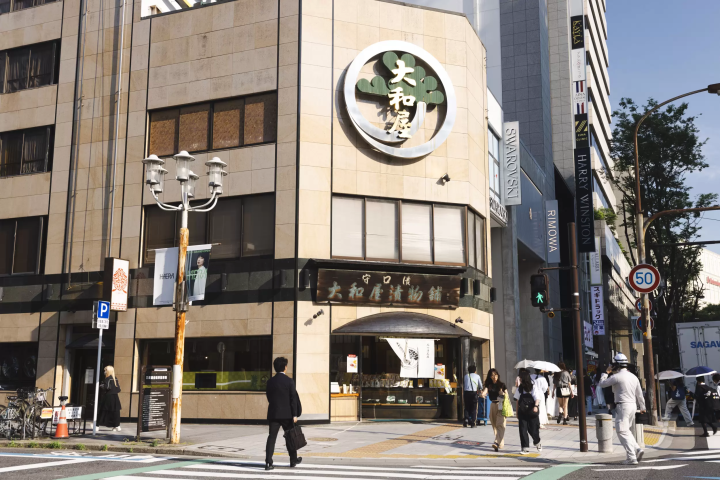
Located in the bustling Sakae district on a boulevard lined with international fashion houses, the Yamatoya Main Store represents a brand that has shaped Nagoya’s culinary identity for over 150 years. Be sure to stop by and sample the fragrant Moriguchi-zuke pickles that Yamatoya so proudly crafts. And if you have a bit of time in Nagoya, take part in their hands-on pickling workshop to discover the art behind these luxury pickles firsthand.
This activity is a memorable, immersive taste of tradition that will connect you to Nagoya and its unique heritage long after your trip ends.
The contents on this page may partially contain automatic translation.